
Last updated November 21, 2026
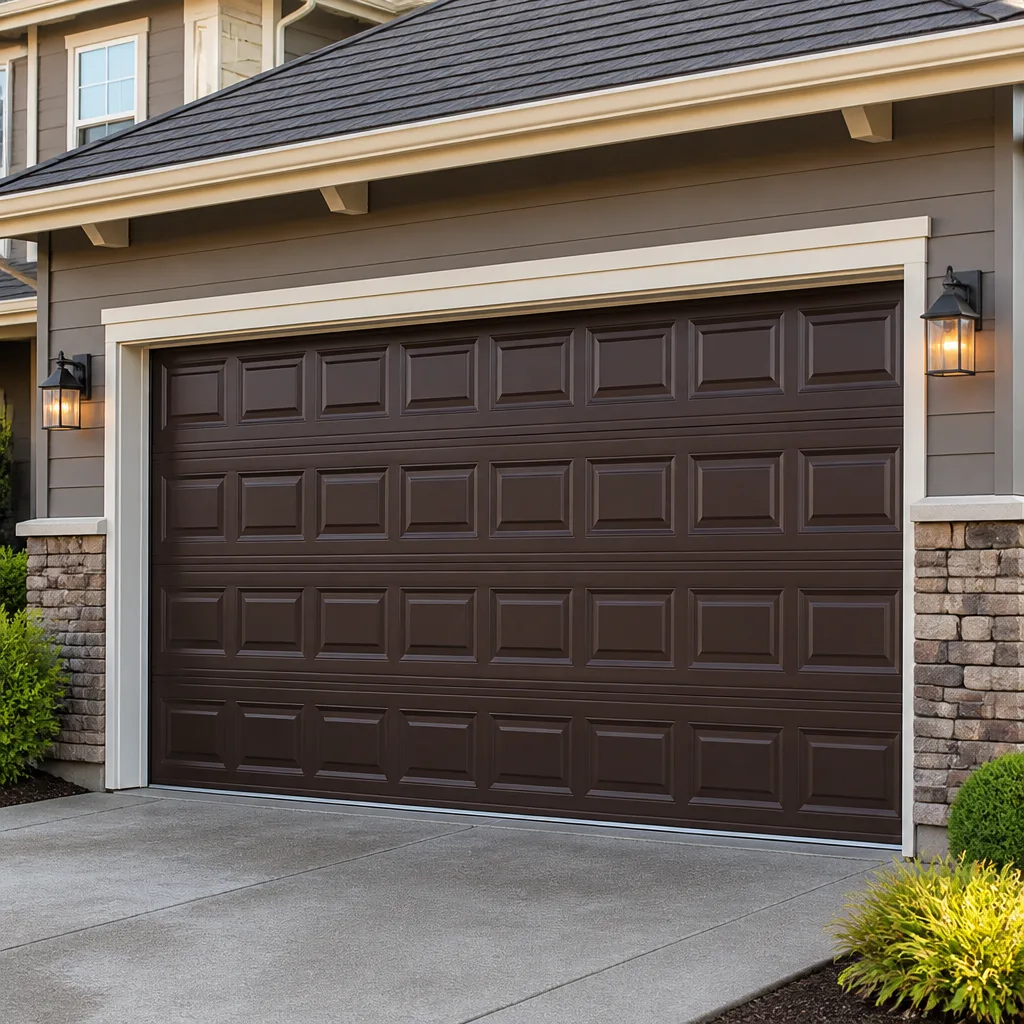 Raised-panel steel
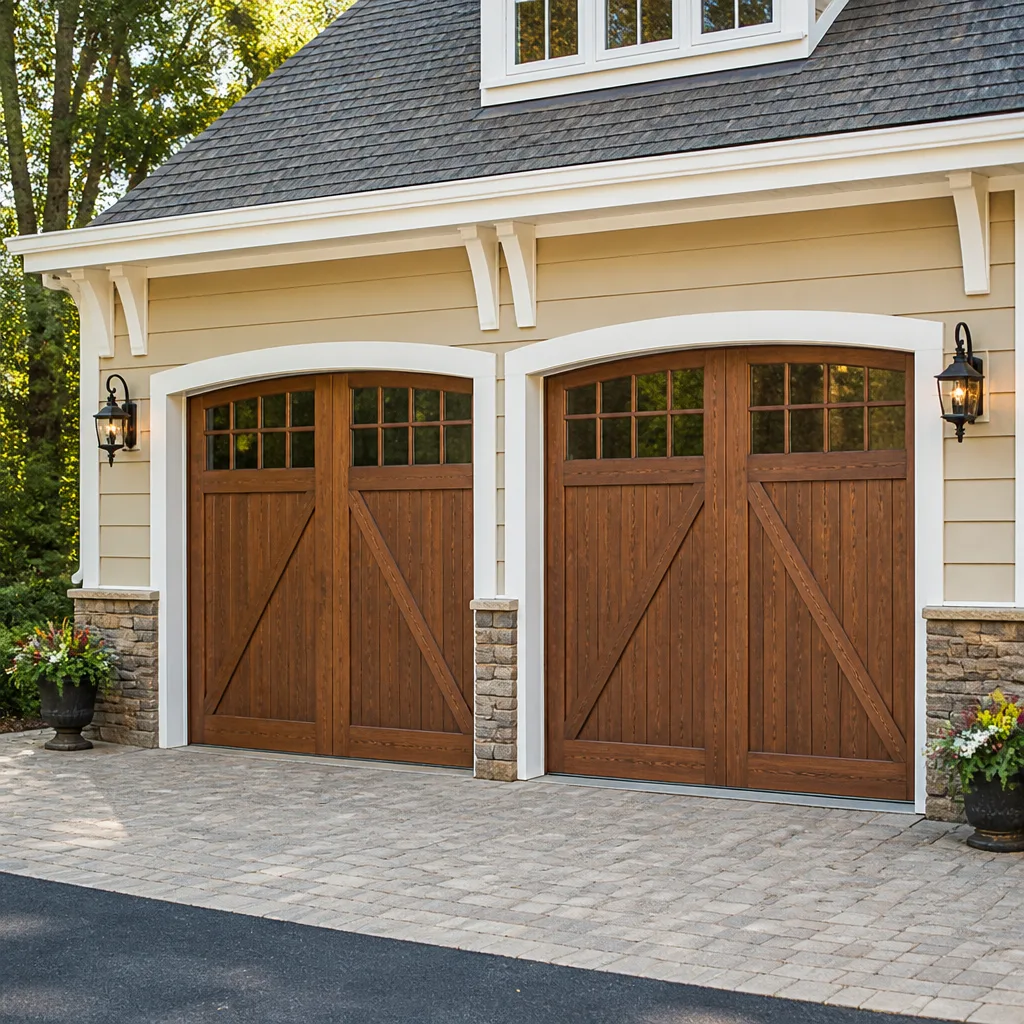 Carriage house
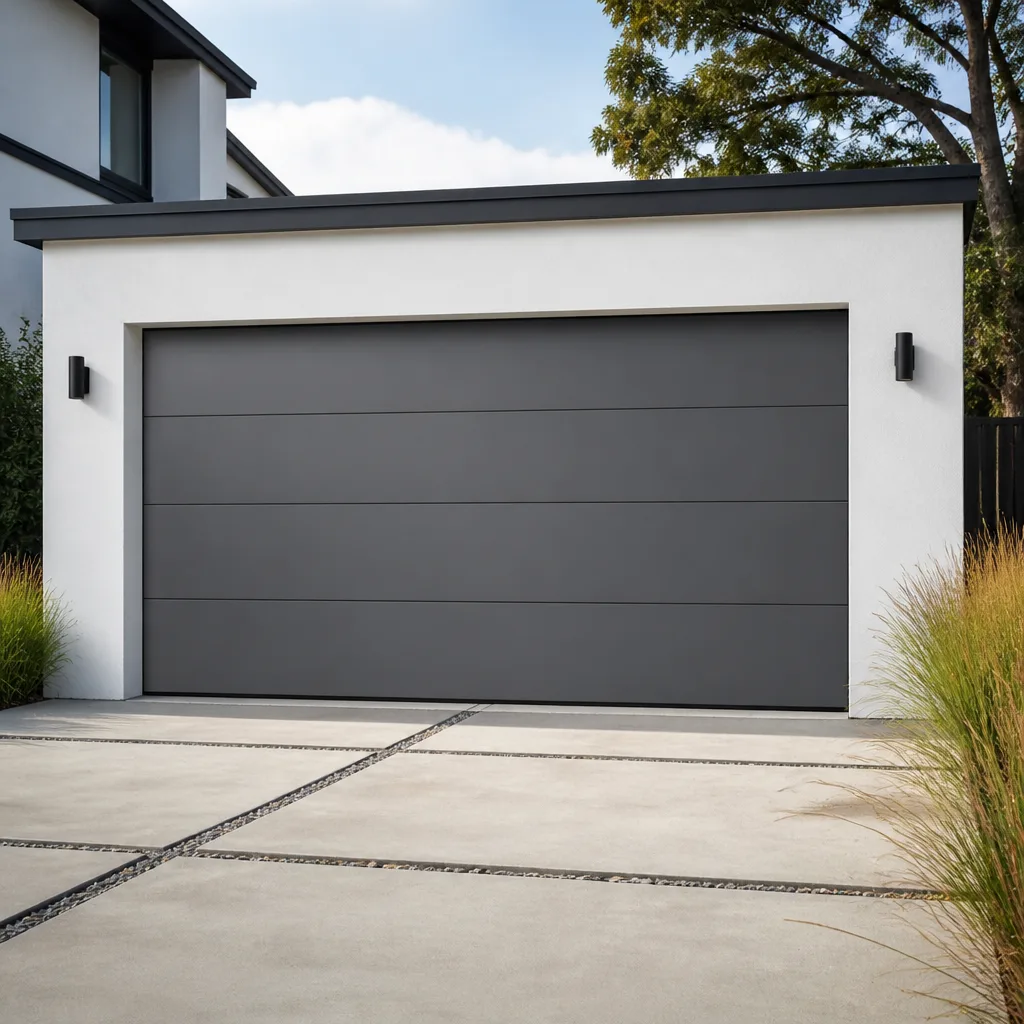 Modern flush
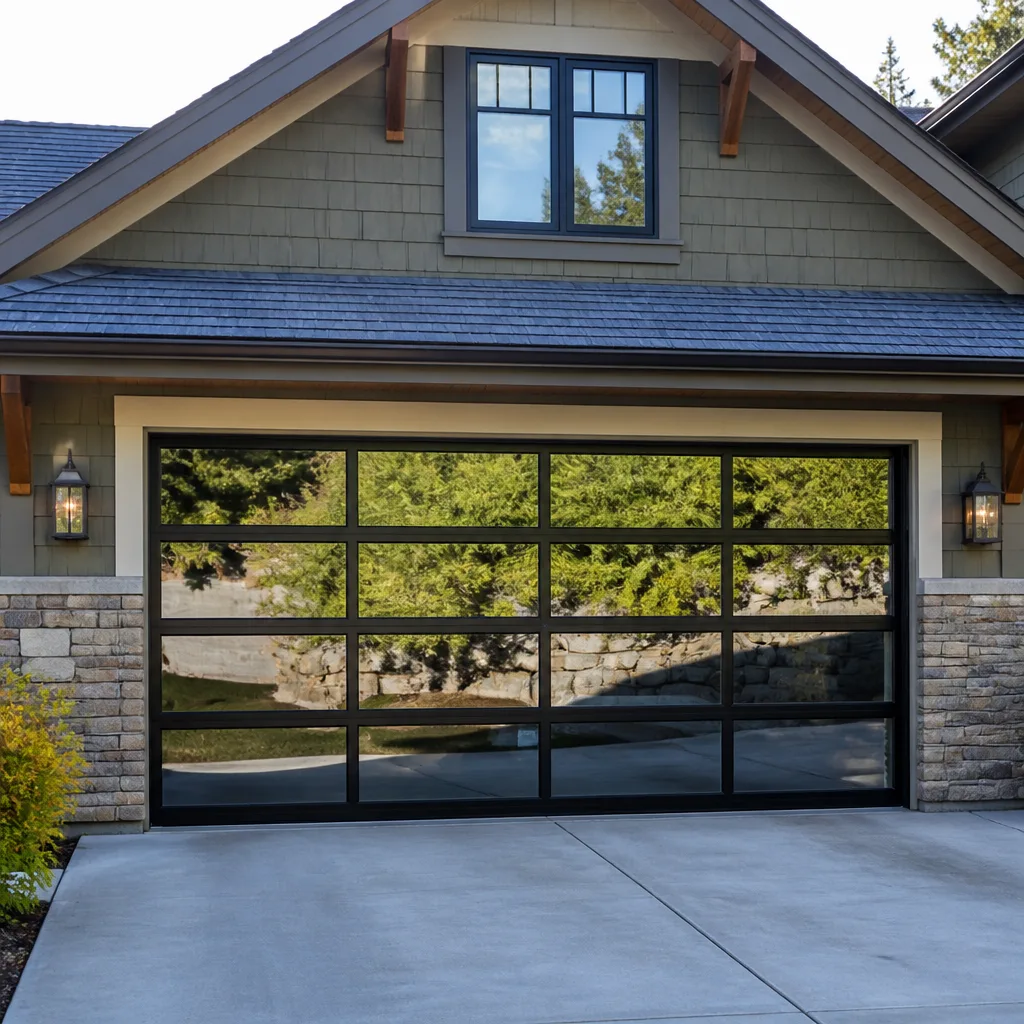 Full-view glass
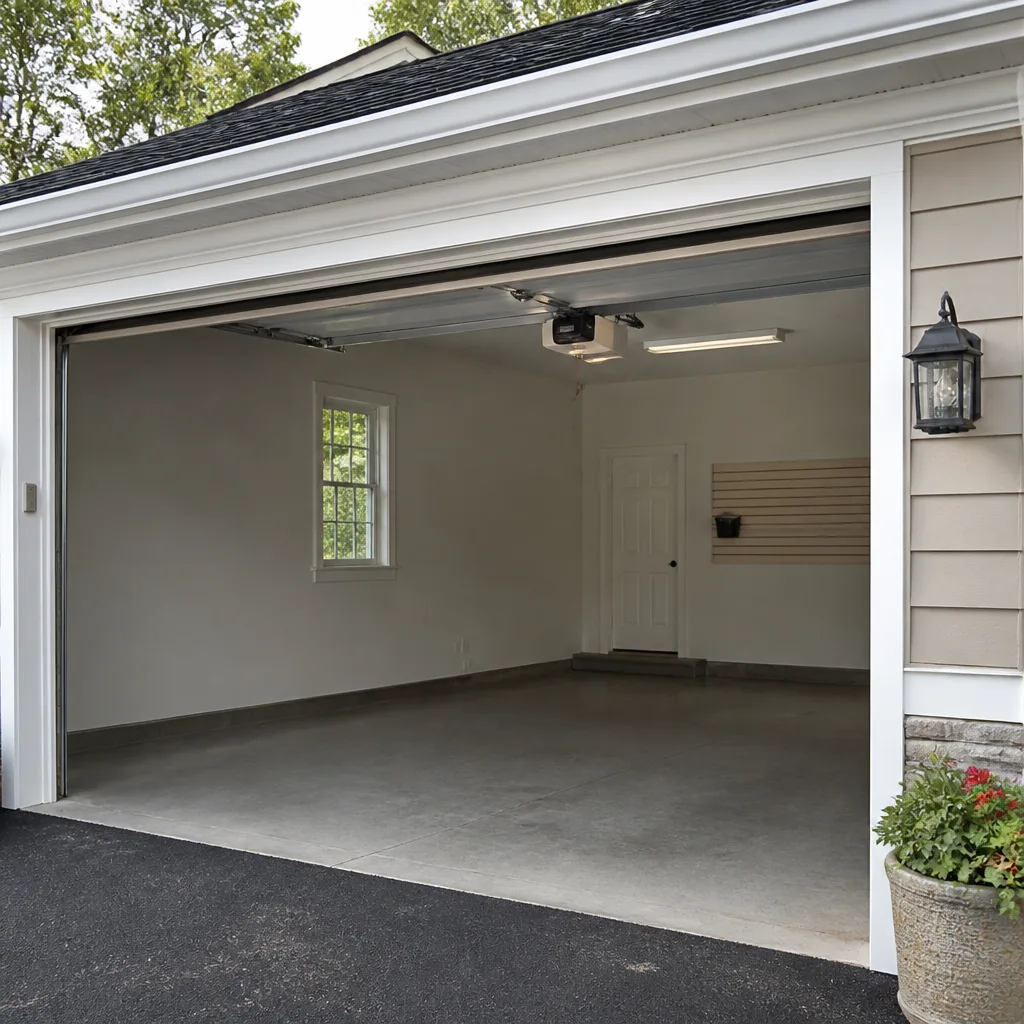 LiftMaster openers
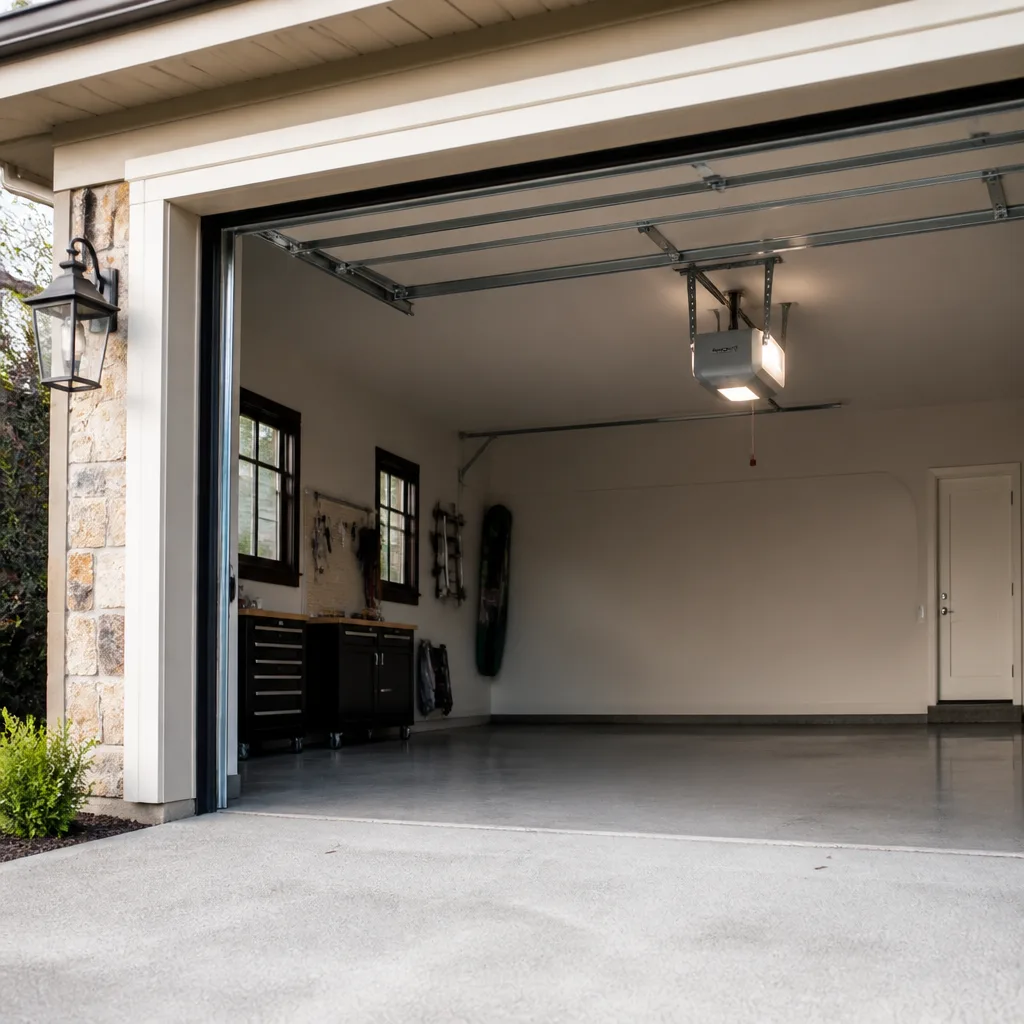 Chamberlain openers
Full 25-point door and opener safety check with every visit - springs, cables, rollers, tracks, and your LiftMaster or Chamberlain opener included
You get a price before we start. It does not change when the pro arrives.
Get your free estimateThe Complete Guide to Garage Doors in Manchester
Most Manchester homes were built between 1950 and 1985, which means the average garage door opening in this town is sized for a world before two-car households. That mismatch is behind more replacement calls than any mechanical failure we hear about. A door that “feels wrong” is often not broken at all; it’s the wrong door for a 1960s ranch or a split-level with a single-bay opening and a low header. This guide covers how Manchester’s climate treats doors, which configurations actually fit the town’s housing stock, when a repair crosses into permit territory, and what a full replacement really involves here in 2026. Your door. Your brand. Our specialty.
Quick Answer
Garage door work in Manchester comes down to three decisions: repair versus replace, standard versus custom sizing, and whether the job needs a town permit. Most repairs are straightforward and can be handled the same day. Replacements take longer because the door has to be measured, ordered, and scheduled, and a written price should be agreed before anyone touches the opening. A specialist who does only garage doors will spot the freeze-thaw and sizing problems that generalist contractors routinely miss.
Styles & brands we work with
- Raised-panel steel
- Carriage house
- Modern flush
- Full-view glass
- LiftMaster openers
- Chamberlain openers
Table of Contents
- How Manchester’s Housing Stock Shapes Door Choices
- What the Freeze-Thaw Cycle Does to Your Door
- The Most Common Door Configurations in Manchester
- Repair or Replace? A Decision Framework
- Permit Triggers and When a Repair Needs a Town Inspection
- Why a Specialist Beats a General Contractor Here
- What Full Replacement Means in Cost and Timeline
- Openers and Smart Systems in Manchester Homes
How Manchester’s Housing Stock Shapes Door Choices
Manchester’s residential neighborhoods grew fast in the decades after the war, so a large share of the town’s garages were framed to dimensions that made sense for one car and a narrower driveway apron. Ranches, colonials, and split-levels dominate, and each brings its own constraints. A ranch usually has a wide, low entry that limits door height. A colonial often has a two-car opening squeezed under the main roofline, which means the headroom for the track and the opener is tighter than a modern plan would allow. Split-levels present the trickiest geometry: the garage is typically half a level down, so the opening sits at grade while the interior floor doesn’t, and the door and bottom seal have to handle more water and debris at the threshold.
What this means for you: online door configurators assume a standard opening that many Manchester homes don’t have. Before you order anything, measure the rough opening, the headroom above the track, and the side clearance around the springs. If a homeowner skips this, the door arrives and doesn’t fit, and the retailer’s return window is no help when the deck is already cut. This is where a specialist earns their keep. A generalist measures the doorway; a garage door specialist measures the opening, the track, and the torsion or extension setup that has to live in that space.
When measuring runs into trouble, or the door is already failing, our garage door repair service is the place to start. We’ll tell you honestly whether your opening will take a standard replacement or needs something custom, and what that difference means for the written estimate.
What the Freeze-Thaw Cycle Does to Your Door
Manchester sits firmly in a freeze-thaw climate. Winters cycle repeatedly between freezing nights and above-freezing afternoons, and that cycle does more damage to a garage door system than one deep cold snap ever will. Water creeps into the smallest gap at the threshold, freezes overnight, expands, and then thaws and drains away. Repeat that dozens of times a season and the damage stacks up in specific places.
Here’s where we see the wear:
- Bottom seals. The rubber or vinyl seal at the foot of the door hardens with age and cracks, and once it stops sealing tight, meltwater and grit get under the door. A stiff, split seal is the first thing to check when you notice dampness or cold air at the base.
- Steel panels. Galvanized steel is durable, but any scratch that reaches bare metal becomes a rust point, and moisture held against the door by a failing seal accelerates it. A scratch that would be cosmetic in a dry climate can spread in Manchester’s wet shoulder seasons.
- Wood doors. Wood is beautiful on a colonial frontage and unforgiving in a fluctuating climate. Paint fails at the joints first, water gets in, and the panel swells and warps. Wood needs annual attention here, not every few years.
- Track alignment. The ground heaves and settles with the freeze-thaw cycle, and garage floor slabs move with it. A slab that rises slightly at one corner pushes the bottom of the door and can knock the vertical track out of plumb. A door that scrapes or binds near the threshold may have a shifting slab problem beneath it, not a door problem.
- Hardware and springs. Cold makes metal less forgiving, and a worn spring combined with a stiff door is the setup for a failure on the coldest morning of the year.
None of this means a Manchester door is doomed. An insulated steel door with a good bottom seal and annual lubrication handles the cycle well. It does mean that seal maintenance and rust checks matter more here than a national buying guide would ever suggest.
The Most Common Door Configurations in Manchester
Before you price a replacement, know which configuration you actually have. In our experience across Manchester, three setups come up again and again, and each pushes you toward a different type of door.
- The single-wide ranch opening. Usually around eight feet wide with limited height, this is a sectional door candidate, and a low-headroom track setup is often needed. A standard door will list its required headroom; if your opening falls below it, that’s a sizing problem, not a door problem.
- The two-car colonial opening. Typically sixteen feet wide, sometimes with a low header that forces a low-clearance torsion setup. This is the configuration where a quick online order most often goes wrong, because the standard door assumes more overhead room than the opening provides.
- The split-level raised opening. Winder or low-clearance hardware is common here because the track has to follow an unusual ceiling line. The bottom threshold sits at grade, so a heavy-duty bottom seal is worth the upgrade.
A door that drops straight into one of these openings without cutting a header, reframing a jamb, or moving a track is called a direct-fit replacement. Most Manchester replacements are direct-fit, which keeps labor down. The moment a door requires structural modification, the job changes category, the price jumps, and a permit likely comes into play. Knowing which category you’re in before you shop is the single best way to avoid a nasty surprise on the written estimate. If you’re weighing options, our guide to garage door installation walks through replacement projects in detail.
Repair or Replace? A Decision Framework
Most homeowners ask whether they should repair or replace, and the honest answer depends on the door’s age, its structural condition, and whether the failure is mechanical or material. A door that’s twenty years old with a broken spring is one kind of decision. A door that’s twelve years old with a warped panel and a cracked bottom section is another. Here’s how we walk a Manchester customer through it.
- Identify what failed. Mechanical failures (springs, cables, rollers, openers) are almost always repairable and worth fixing on a door that’s otherwise sound. Material failures (rotted wood, rust-through, cracked or delaminated panels) point toward replacement.
- Check the structure, not just the surface. Are the panels straight? Does the door sit square in the opening? Is the track still plumb? A door that sags or binds may have a structural issue that a repair won’t fix.
- Weigh the cost against the door’s remaining life. Replacing a single panel can make sense on a newer door. On an older door, several panel replacements can approach the cost of a full replacement, and the rest of the door is still aging.
- Consider the seal and insulation. In Manchester’s climate, an old uninsulated door with a failing seal is a comfort and energy problem, not just an aesthetic one. If you’re already facing a significant repair, upgrading to an insulated door is often the better call.
- Think about the opener. A tired opener paired with a new door is a mismatch. If your current opener is old or dated, plan for the two together rather than piecemeal.
A broken spring is the most common element in this decision, and it’s one of the most dangerous parts of the system to handle. We treat garage door spring repair as its own discipline for exactly that reason. For more on the specific repair-vs-replace conversation, our repair versus replacement guide goes deeper.
Permit Triggers and When a Repair Needs a Town Inspection
Here’s a rule of thumb that saves Manchester homeowners a lot of confusion: swapping a like-for-like door at the same opening size is usually treated as a replacement of a component, while anything that changes the structure, the opening size, or the electrical circuit moves into permit territory. We don’t write code rules, and your town’s building department is the authority, but the triggers are consistent enough to list.
- Changing the opening size. Widening or raising a garage opening means cutting a header or reframing. That’s structural work and almost always requires a permit and an inspection.
- Adding or relocating a garage door opener’s electrical supply. If there’s no existing outlet where the opener needs one, adding a circuit means an electrical permit and inspection.
- Adding a new garage. New construction obviously requires permitting, and the inspection covers framing, electrical, and the door’s attachment.
- Changing the type of door in a way that changes the wall or the header. A one-piece tilt-up door swapped for a sectional door can require track attachment changes that affect the structure, and that’s the kind of change a town inspection may want to see.
- A repair that’s a straight component swap. A new spring, a new seal, a new opener on an existing outlet, a roller or cable replacement: no structural change, no permit typically required.
If you’re not sure which side of the line your project falls on, ask the town’s building department before scheduling the work. It’s a five-minute call that prevents a much bigger problem later. We’ve seen projects stalled because a homeowner assumed a header cut was “just a repair,” and that assumption cost time and money. Knowing the trigger points keeps a Manchester project moving.
Why a Specialist Beats a General Contractor Here
Many Manchester homes have an opening that isn’t quite standard, and that’s where a generalist’s limits show up. A general contractor can hang a door, but the variables that make a garage door work or fail are specific to this one assembly: the torsional load on the springs, the geometry of the track, the headroom, the balance point, and the safety reversal behavior of the opener. These are not general construction skills; they’re garage door skills, learned by doing garage doors and nothing else.
Consider what a spring replacement actually involves. The two springs above the door are under extreme tension, and they’re there to carry the door’s weight so a person can lift it. Get the wire size or the number of turns wrong and the door either won’t balance or the spring fails catastrophically. A technician who has done hundreds of spring replacements reads the door and gets the numbers right the first time. A generalist learns on your door.
We focus on garage doors exclusively, which means every service call is a garage door call. We service equipment from LiftMaster, Chamberlain, Genie, Craftsman, Raynor, Clopay, Amarr, and Wayne Dalton, so whatever system is already in your Manchester garage, we can work on it rather than steering you toward a brand we prefer. Our technicians have up to 9 years of experience on this one trade. That focus is the difference between a door set up correctly and one that starts misbehaving in six months. If you want the fuller picture of how we approach this work, see Manchester Garage Door Repair Co.
What Full Replacement Means in Cost and Timeline
For a typical Manchester property, a full garage door replacement is a measured, ordered, and scheduled project, not a same-day job. That’s the single most important expectation to set. The door has to be measured in person, ordered from the manufacturer, delivered, and then installed. Depending on the door and the configuration, that timeline can stretch from a week or two to several weeks. Anyone promising a same-day replacement is either selling something off a shelf or hasn’t measured your opening. Here’s how typical Manchester 2026 costs break down. These are estimated ranges; your written estimate from us sets the final price.
- Single-wide sectional door (basic steel): roughly $800 to $1,400 installed, depending on size, insulation, and hardware.
- Two-car sectional door (basic steel): roughly $1,200 to $2,200 installed.
- Insulated steel door, single: roughly $1,000 to $1,800 installed.
- Insulated steel door, two-car: roughly $1,600 to $2,800 installed.
- Custom-size or non-standard opening: add roughly 25% to 50% to the base door cost, because custom sizing drives the manufacturing cost.
- New opener paired with the door: roughly $350 to $700 installed, depending on the system.
- Structural modification to the opening (header work, reframing): variable, and priced separately after inspection.
Repairs follow a different logic. A spring replacement is a named repair and usually the most urgent, while a new opener is a straightforward swap when the system is otherwise fine. The key point for any job in Manchester: the price is quoted and agreed before any work starts. You’ll know the number and what it covers before we pick up a tool. Our garage door opener repair page covers the opener side of the equation in detail.
Openers and Smart Systems in Manchester Homes
Openers age faster than doors, and in Manchester’s housing stock you’ll find a wide mix: older chain-drive units from Craftsman and Genie, mid-era belt-drive LiftMaster and Chamberlain systems, and newer Wi-Fi-connected openers that report to a phone. The failure modes differ by generation. Older legacy openers tend to lose calibration and develop a slipping gear or a worn drive. Newer smart openers more often fail at the logic board, the Wi-Fi module, or the safety sensor alignment, and a homeowner’s first clue is a door that opens from the app but not from the wall button.
Two things are worth knowing before you replace an opener. First, the opener has to match the door’s balance. A strong new opener bolted to an out-of-balance door will work for a while and then fail. The door should be balanced and the springs sound before the opener is blamed. Second, the safety reverse system is not optional. Every opener needs functioning photoelectric sensors and a working force-reversal test, and a door that fails either is a hazard to anyone standing under it. If a sensor is misaligned, a door can be fine one moment and misbehave the next.
Because we handle both legacy and smart systems, we don’t push a replacement you don’t need. If a repair gets your Craftsman or LiftMaster opener working correctly, we’ll say so. If the door needs a new system, we’ll quote both and let you choose. For safety and for a system that behaves correctly through a Manchester winter, a specialist who works on these brands daily is the right call.
Common Mistakes to Avoid
- Buying a door online before measuring the opening. Standard doors assume standard openings, and many Manchester homes have neither. Measure the rough opening, headroom, and side clearance before you order, or have a specialist do it.
- Forcing a heavy wooden door instead of repairing the seal. Water damage and a swollen panel get worse with every wet season. A repair now is cheaper than a replacement later, and a heavy door strains the opener.
- Ignoring the bottom seal. A split or hardened seal lets water and grit under the door, and that’s how rust and warped panels start. Check it every fall before the freeze hits.
- Assuming your standard-sized door needs no permit. If the project touches the header, the opening size, or an electrical circuit, the town may want an inspection. Ask the building department first.
- Using a general contractor for a non-standard opening. A generalist can hang a door, but the spring, track, and balance geometry is a garage door specialty. A specialist gets it right the first time.
- Blaming the opener for a door that’s out of balance. A new opener on a door with worn springs will fail quickly. Fix the door before the opener.
- Trying to adjust a spring or cable yourself. These parts are under extreme tension. That’s a call for a trained professional, full stop.
See the difference
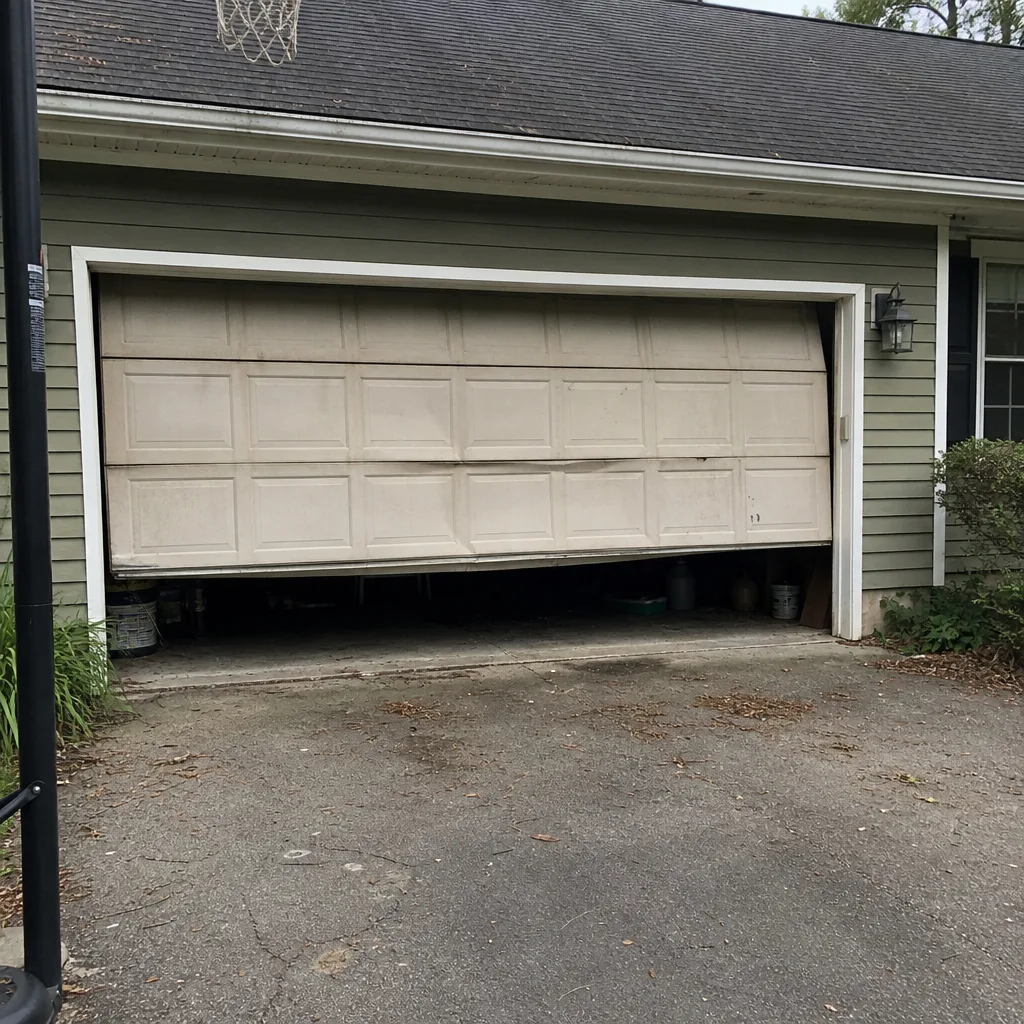 Before
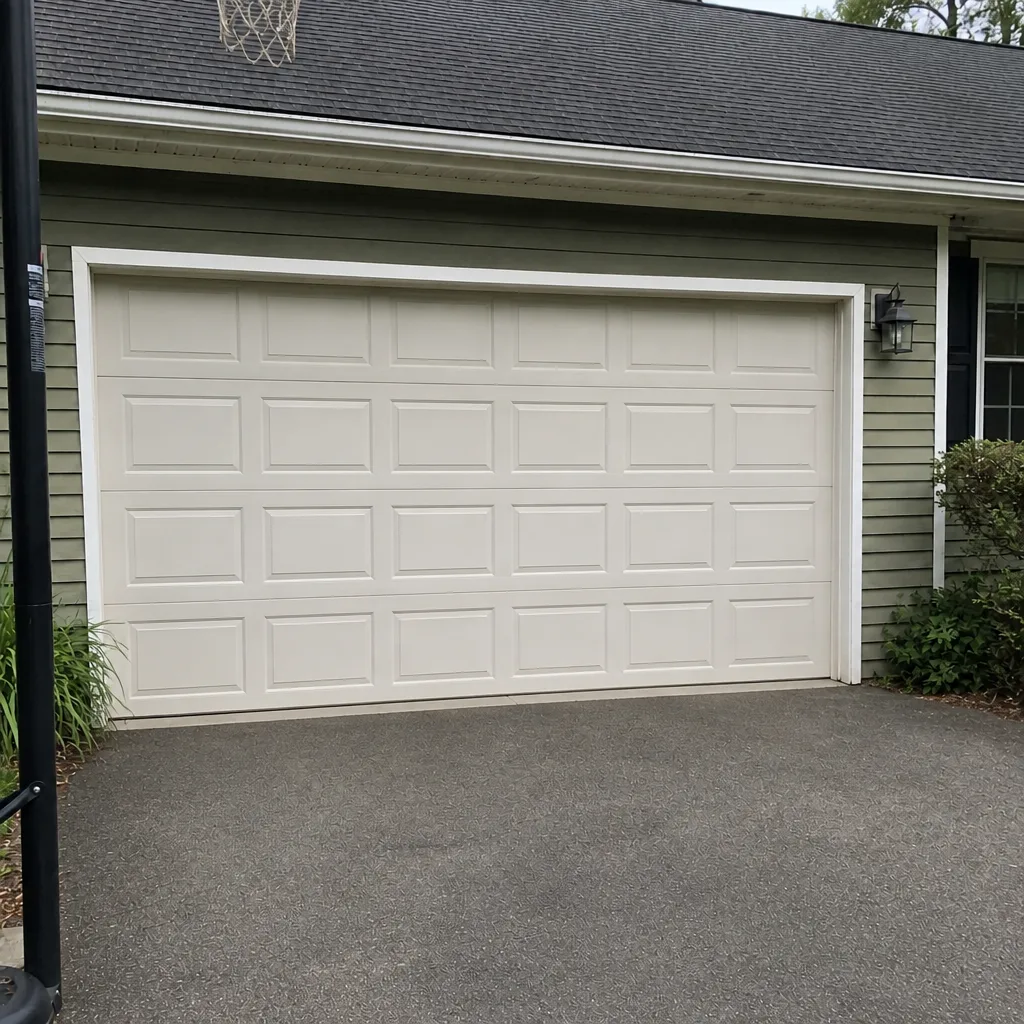 After
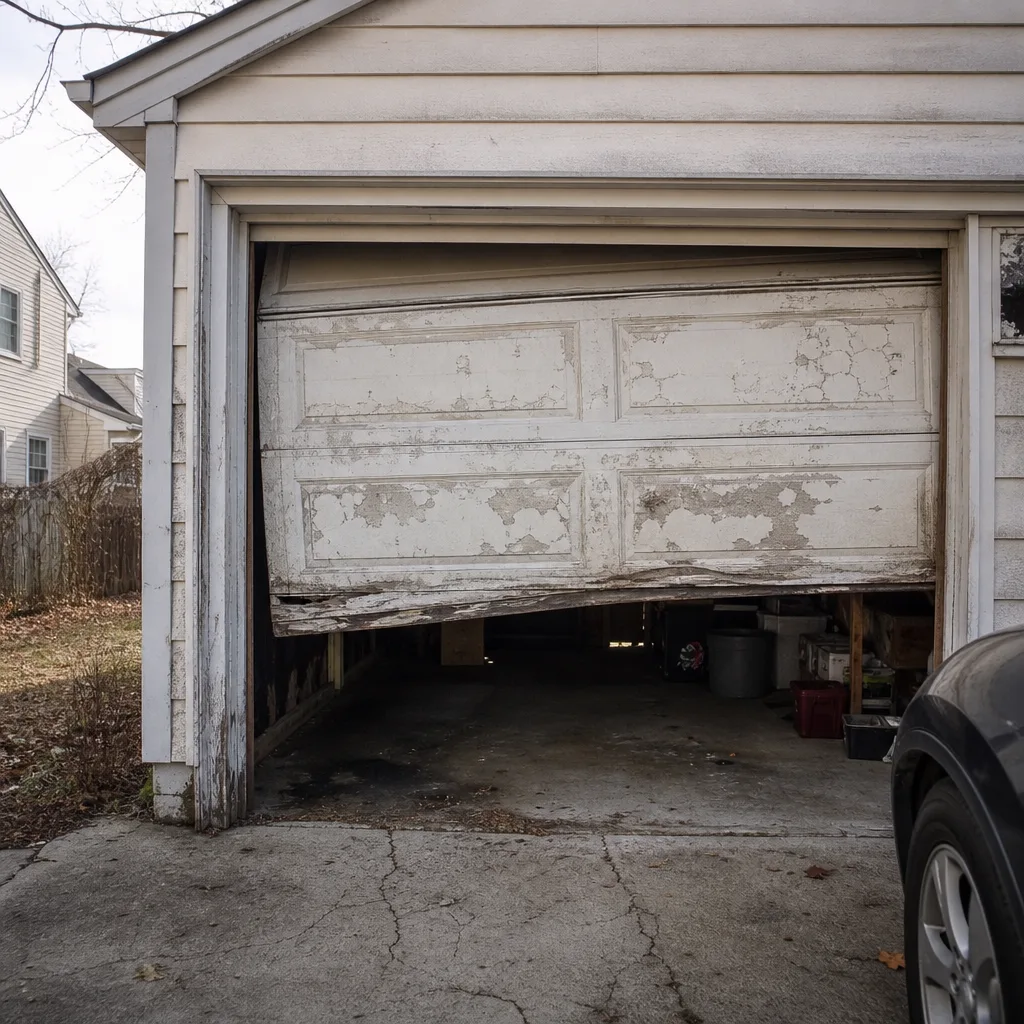 Before
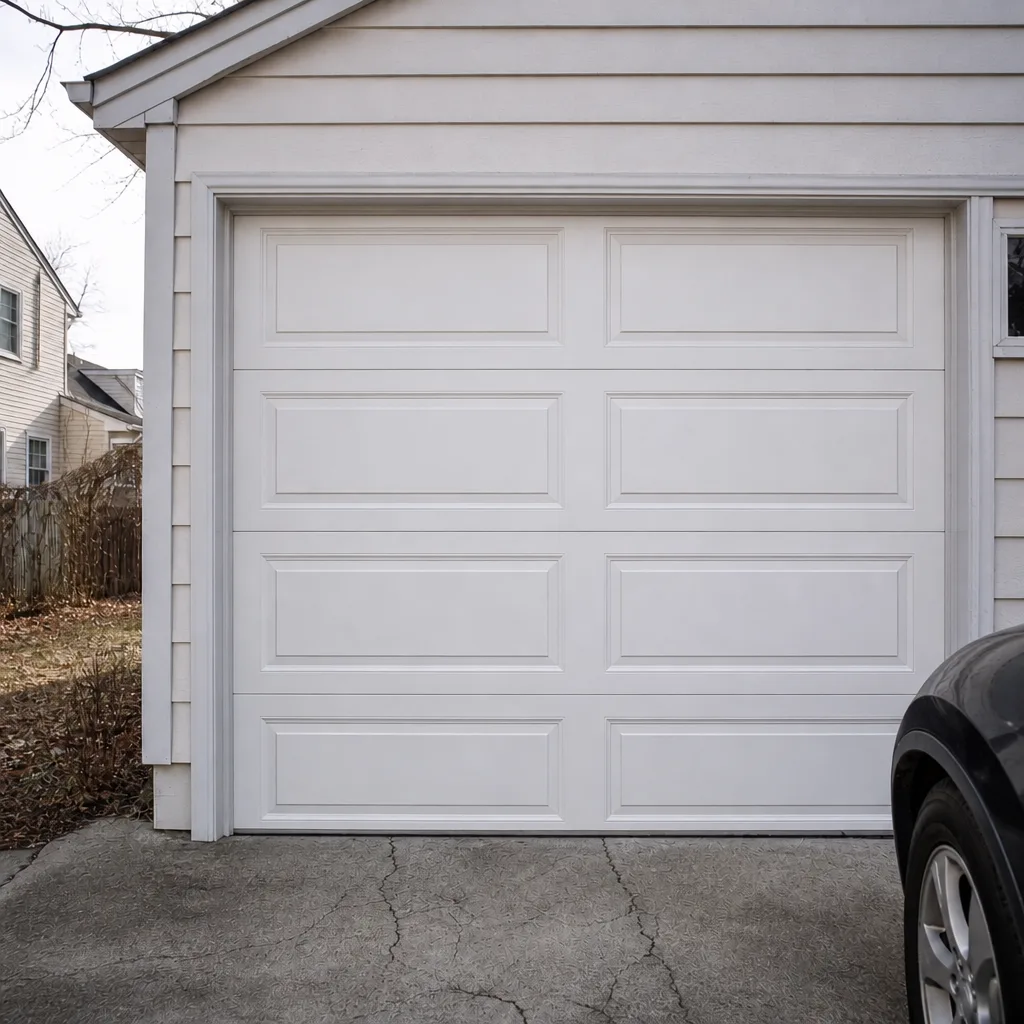 After
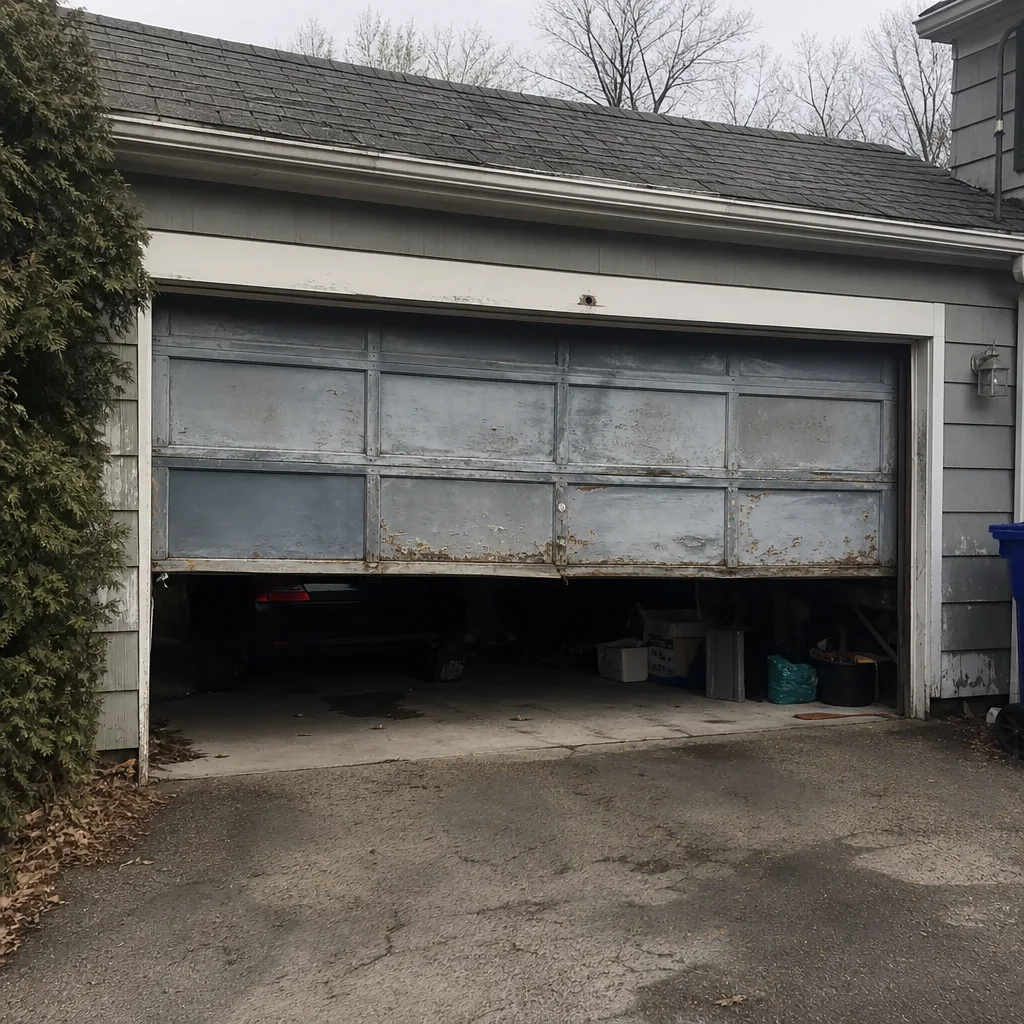 Before
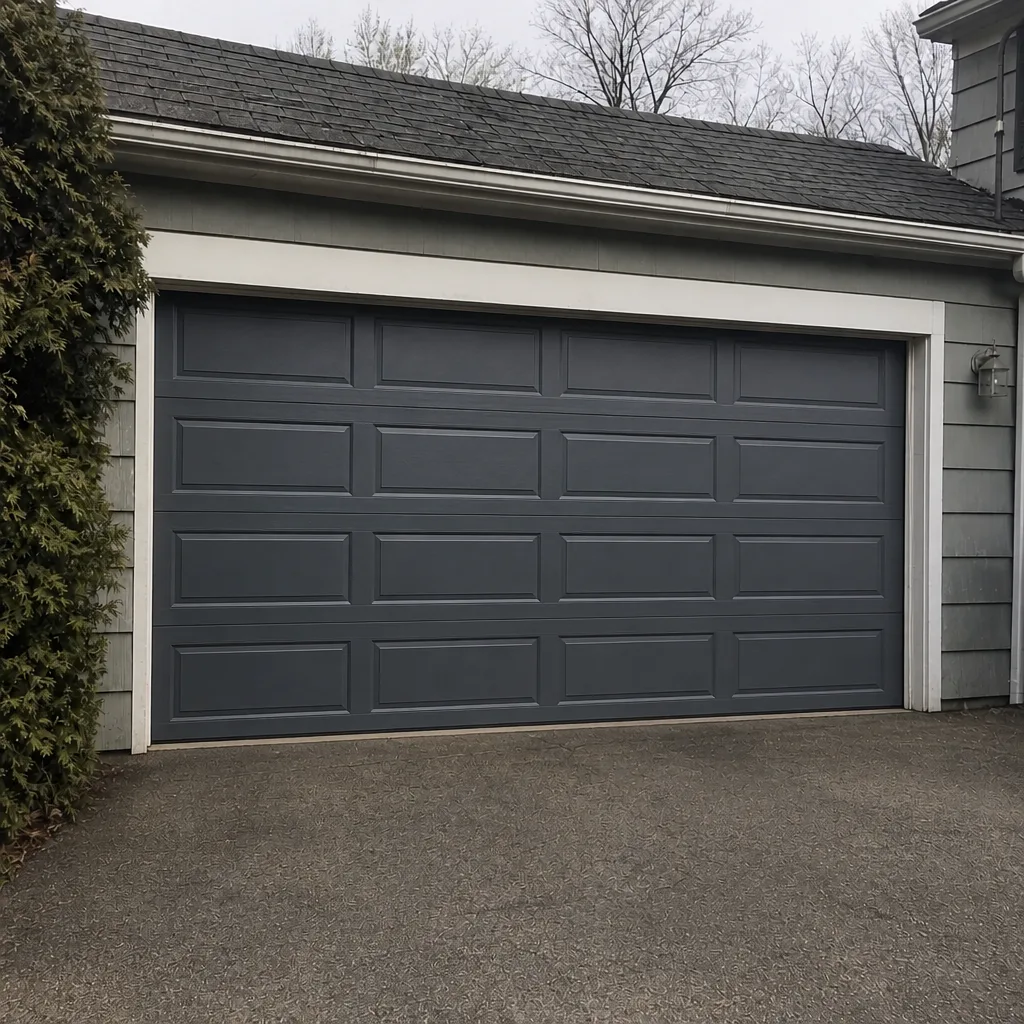 After
When to Call a Professional
Some jobs are clearly DIY territory: tightening a loose bracket, replacing a lightbulb in the opener, clearing debris from the track. Others are not. Call a professional when a spring or cable fails, when the door comes off the track or won’t move, when the opener reverses unexpectedly, when a panel is bent or cracked, or when you’re weighing a replacement and need a real measurement of the opening. Spring and cable work is genuinely dangerous and not a place for self-repair. Manchester Garage Door Repair Co offers free estimates in Manchester, and we’ll give you a written price before any work starts. Call (888) 315-6660. We answer 24/7. Fast dispatch from 7am to 7pm, Sunday through Friday.
Frequently Asked Questions
Most garage door repairs in Manchester run from about $150 to $600 depending on the part and the job, with spring replacement typically at the higher end of that range. The written estimate sets the final price, and you’ll know it before work starts. Call (888) 315-6660 for an exact quote; estimates are free.
In many cases, yes. Same-day service is available for urgent repairs like a broken spring, a door off its track, or an opener that’s stopped responding. We answer 24/7, and we dispatch Sunday through Friday, 7am to 7pm. Call (888) 315-6660 and we’ll find the earliest opening.
No. The price is quoted and agreed before any work begins, and the written estimate is the number you pay. If we find something unexpected mid-job, we stop and tell you before doing anything additional. That’s the whole point of the written estimate. Call (888) 315-6660 for yours.
The local professionals we connect you with are licensed and insured as their state requires. We can work with your insurer and provide documentation on request. For Manchester work, the specialist we send is vetted for the trade. Call (888) 315-6660 with any questions.
A like-for-like replacement at the same opening size usually doesn’t require a permit, but changing the opening size, cutting a header, or adding an electrical circuit for an opener does. Your town’s building department is the authority, so ask them before scheduling structural work. Call (888) 315-6660 if you want us to help you sort out which category your project falls into.
Late spring through early fall is the easiest window, because installation avoids the freeze-thaw season and the door settles without fighting the weather. That said, we install year-round. The timeline is driven by measurement, ordering, and delivery, not the season. Call (888) 315-6660 and we’ll build the schedule around you.
The Bottom Line
Manchester garage doors live in a specific environment, and that environment drives the decisions. The town’s mid-century housing stock means openings that aren’t quite standard, the freeze-thaw cycle means bottom seals and track alignment need more attention, and the permit line sits where structure changes. Repair what’s mechanical, replace what’s material, measure before you order, and keep the opener matched to a balanced door. A specialist who does this one trade day in and day out will catch what a generalist misses. Your door. Your brand. Our specialty. Call (888) 315-6660 for a free estimate.
Written by the team at Manchester Garage Door Repair Co.