
Last updated November 21, 2026
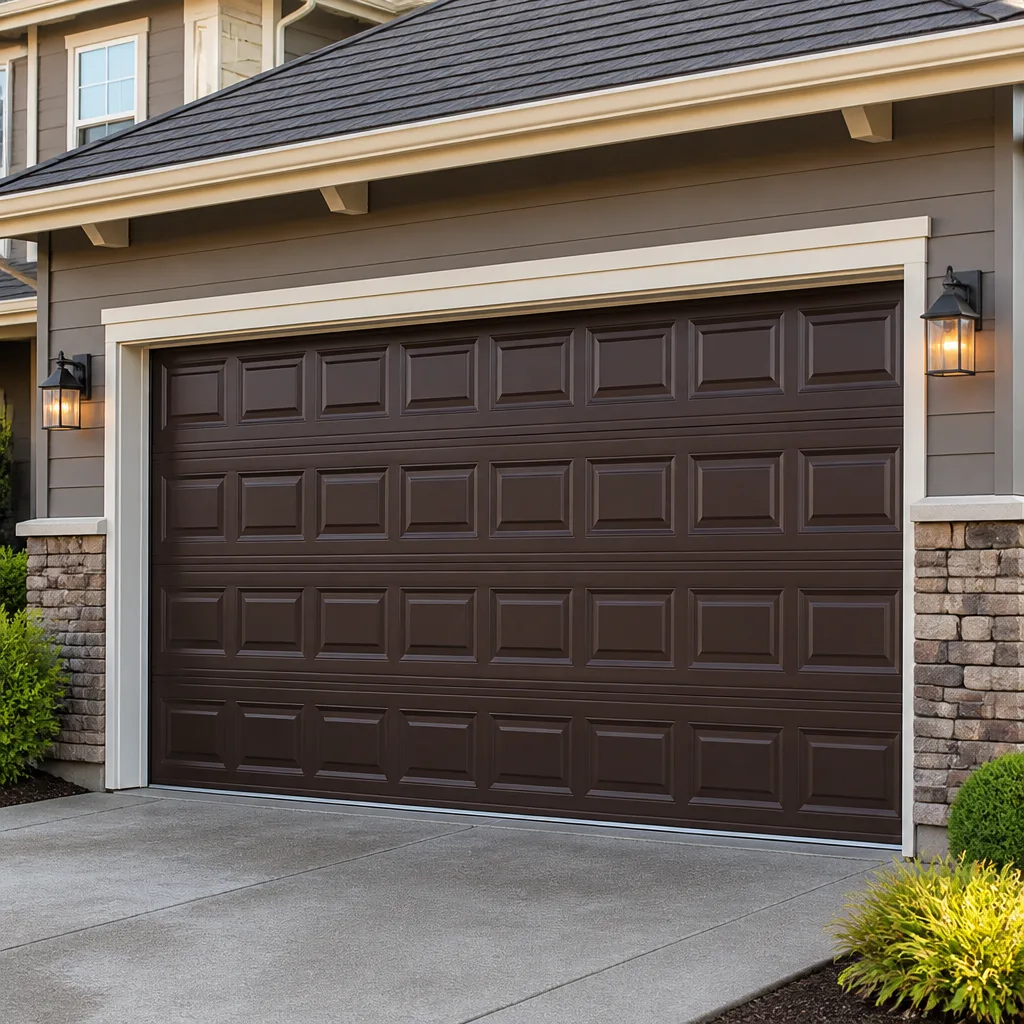 Raised-panel steel
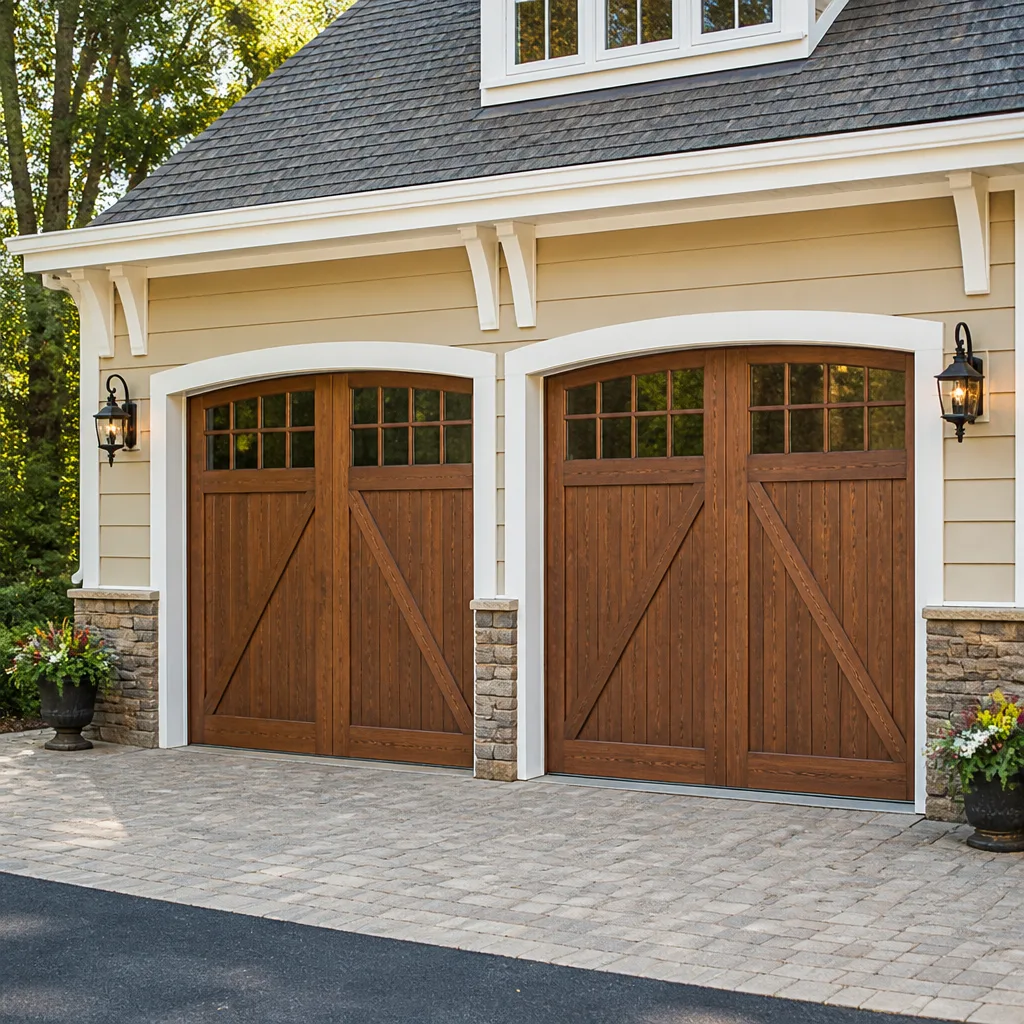 Carriage house
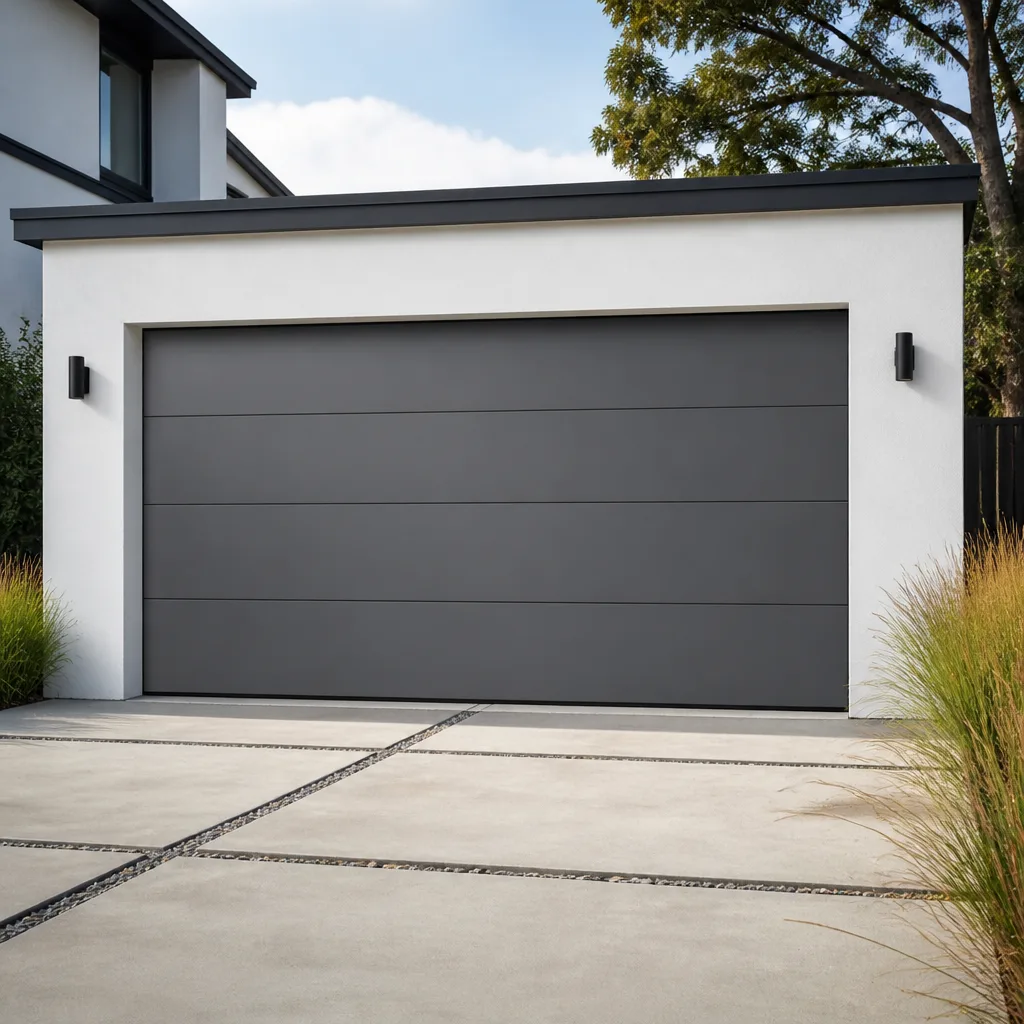 Modern flush
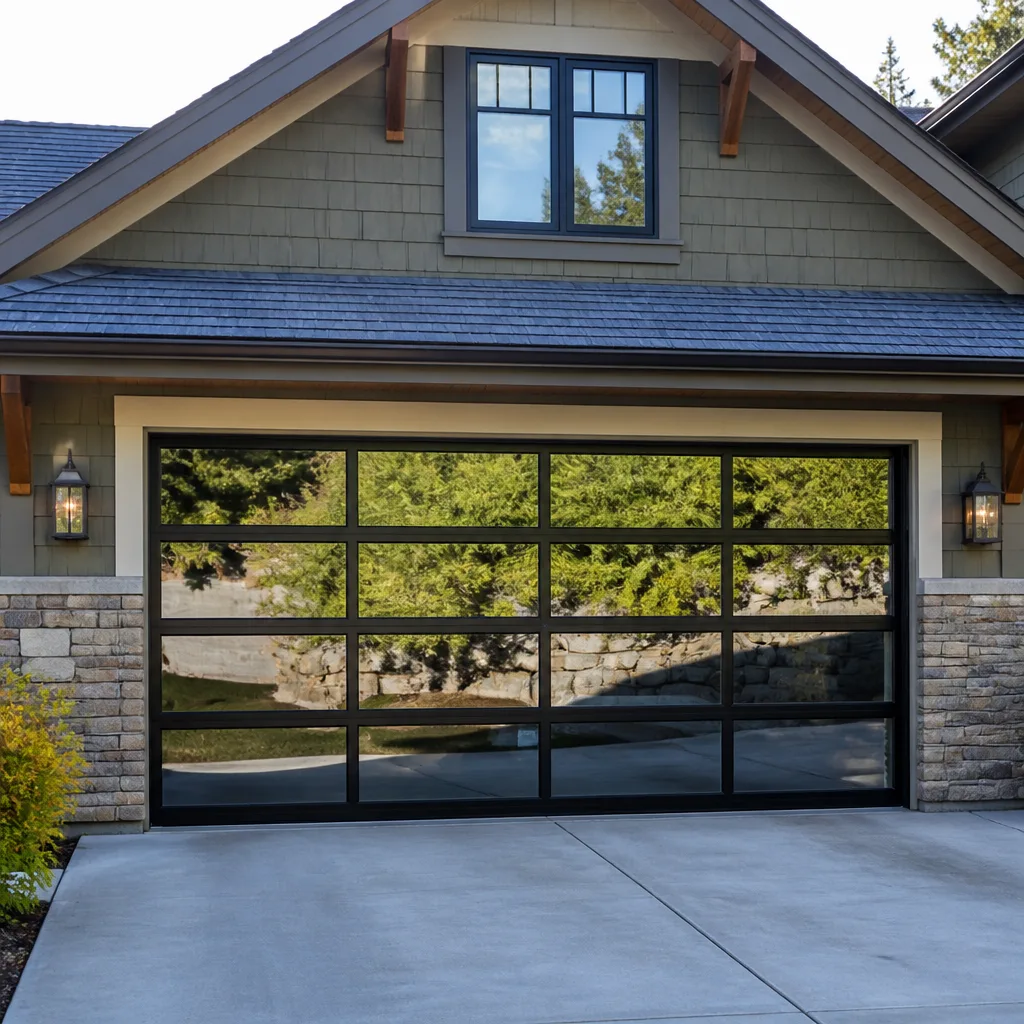 Full-view glass
 LiftMaster openers
 Chamberlain openers
Full 25-point door and opener safety check with every visit - springs, cables, rollers, tracks, and your LiftMaster or Chamberlain opener included
You get a price before we start. It does not change when the pro arrives.
Get your free estimateGarage Door Permits, Codes & Inspections in Manchester, CT: What You Need to Know
Most homeowners in Manchester treat a garage door replacement like swapping out an appliance: pick a style, pay the installer, done. Here’s the part that catches people off guard. A garage door is an exterior structural opening, and Connecticut’s building code treats it as one. The state’s 2022 building code update tightened wind load requirements for garage doors, which means a large share of doors installed before that date don’t meet the standard that applies to a new installation today. That gap matters at inspection, at resale, and sometimes at claim time. This guide walks you through exactly when Manchester requires a permit, what the inspector actually checks, how the process runs, and why a specialist often handles the paperwork differently than a general contractor.
Quick Answer
In Manchester, CT, replacing a garage door or modifying the structural opening requires a building permit and inspection, while routine repairs like spring, cable, roller, or opener replacement generally do not. New door installations must meet current Connecticut building code for wind load and, on heated spaces, insulation value. Pulling the permit before work starts protects your insurance coverage and your sale, and a garage door specialist is set up to handle that step as part of the job.
Styles & brands we work with
- Raised-panel steel
- Carriage house
- Modern flush
- Full-view glass
- LiftMaster openers
- Chamberlain openers
Table of Contents
- When does Manchester require a permit for garage door work?
- What the current Connecticut code requires of a new garage door
- How the Manchester permit and inspection process actually works
- What the inspector is looking at
- What happens at resale if the work wasn’t permitted
- How a specialist handles permits versus a general contractor
- Repair, replacement, or opener swap: which one needs paperwork?
- Why Manchester’s winters make the code details matter
When Does Manchester Require a Permit for Garage Door Work?
Manchester requires a building permit when the garage door is being replaced or when the structural opening is modified, and it generally does not require one for a repair to an existing door or opener. The distinction comes down to whether the work changes the building envelope or its structure. That’s the short version. The useful version is to break each type of job out, because the thresholds really are different.
- Full door replacement: Permit required. A new door is a new exterior assembly with a wind load rating and attachment details that have to match the current code.
- Structural opening modification: Permit required, and usually a plan review. Widening or raising the rough opening changes the header, the framing, and the load path above the door.
- Spring, cable, roller, hinge, or track repair: No permit. This is maintenance and repair of an existing assembly, not a change to the structure.
- Opener replacement or new opener installation: No building permit in most cases, since the opener isn’t part of the structural envelope. If the opener install involves new electrical circuits, that electrical work follows its own rules.
- Cosmetic changes: Repainting or restaining an existing door, or replacing glass panes in an existing frame, doesn’t trigger a permit.
One caveat we always give homeowners: the final say belongs to the city. Manchester’s building department can tell you in a phone call whether your specific job needs a permit, and that answer beats any general rule, including ours. Ask before the work is scheduled, not after. If you’re still sorting out whether you’re repairing or replacing, our garage door repair page covers how a technician evaluates a door that’s on the fence.
Homeowners in the neighborhoods around Highland Park and the older streets off Main Street run into this question often, because those houses have original openings that have shifted over the decades. A door that fit the opening in 1975 may need a different mounting approach today, and that’s exactly the kind of detail that turns a “simple swap” into permitted structural work.
What the Current Connecticut Code Requires of a New Garage Door
Connecticut’s 2022 State Building Code update changed the wind load requirements for garage doors, and that change is the reason a lot of pre-2022 installations wouldn’t pass as a new installation today. The code sets a design wind pressure the door and its anchorage must resist. Older doors were often rated and anchored to a lighter standard. When you replace a door now, the new assembly has to meet the current requirement, which means the door itself carries a rating, and the tracks, brackets, and fasteners are specified to hold it under that load.
Alongside wind load, there’s a thermal requirement that applies depending on what’s on the other side of the door:
- Attached garage with living space above or beside it: The door is part of the thermal envelope, so its insulation value is checked against the code requirement for that assembly. An uninsulated steel door usually won’t meet it.
- Detached or unconditioned garage: Insulation requirements are lighter or don’t apply, but the wind load rating and anchorage still do.
Here’s the practical translation. If you’re replacing a door on an attached garage in Manchester, the safe assumption is that you need an insulated, wind-rated door with documented anchorage details. That’s true whether or not anyone asks to see the paperwork. The days of matching a door to the old one by eye are behind us, and any contractor who tells you otherwise is either working from an outdated playbook or hoping you won’t check.
This is also where brand and compatibility matter. A door from Amarr or Wayne Dalton comes with published wind load ratings and installation details for that model, and a specialist who works with those brands regularly knows how to read the spec sheet and install to it. A generalist installing a door they don’t normally carry is guessing at the anchorage. If the door is matched with a new LiftMaster or Chamberlain opener, the opener side follows the door, and our garage door opener repair page explains how we assess existing openers before recommending a replacement.
How the Manchester Permit and Inspection Process Actually Works
The Manchester permit process for a garage door replacement follows a predictable sequence. It’s not complicated, but it does have a rhythm, and knowing it in advance keeps you from getting surprised by a delay.
- Confirm the requirement with the city. A quick call to Manchester’s building department confirms whether your specific job needs a permit. This takes minutes and settles the question.
- Prepare the application. A garage door permit application typically needs the property address, a description of the work, the door model and its wind load rating, and any manufacturer installation instructions or product data sheets. Structural opening changes add drawings.
- Submit and pay the fee. Permit fees in Manchester are set by the city and scale with the scope of work. The fee is the city’s, not the contractor’s, and it should appear as a separate line on your estimate rather than folded into a mystery number.
- Receive the permit. Straightforward door replacements often move through quickly. Jobs that touch the structure take longer because they get a plan review.
- Install the door. The permitted work happens after the permit is issued, not before. Any contractor who wants to “start now and pull the permit later” is handing you a problem.
- Schedule the inspection. Once the work is complete, the city sends an inspector to verify the installation against what was approved.
- Close the permit. When the inspection passes, the permit is closed and the work becomes documented history on your property record.
Two things trip people up here. First, the timeline isn’t just the permit timeline – it’s also the door order. A replacement door is measured, ordered, and delivered before it’s installed, so the permit application and the product order usually run in parallel. Second, the permit is tied to the address, not to the contractor. If the job stalls or the contractor disappears, the open permit stays with you. That’s one reason we’d rather handle the paperwork ourselves than hand it to the homeowner to chase.
As for cost, permit fees vary by scope, and we won’t quote a number the city hasn’t given us. What we will tell you is that the permit fee is small compared to the cost of discovering at resale that no permit exists. Get the number from Manchester’s building department and put it in writing on your estimate, and you’ll never have to guess later.
What the Inspector Is Looking At
An inspector doing a garage door inspection in Manchester is verifying that what got installed matches what was approved, and that the installation follows the manufacturer’s and code requirements. They’re not grading aesthetics. Here’s what they check in practice:
- The door model and rating: The installed door matches the permit application and carries the required wind load rating for that opening.
- Anchorage and fasteners: Tracks, brackets, and the header attachment use the specified hardware and fastener schedule. This is where a shortcut shows.
- Balance and operation: The door opens and closes smoothly, stays up when raised partly, and the springs are matched to the door weight.
- Safety features: Proper spring containment, and on the opener side, a functioning entrapment protection setup.
- Clearance and alignment: The door sits square in the opening, the tracks are plumb, and there’s no contact or binding.
If something fails, the fix is usually minor – a fastener swap, a rebalance, a spec correction – but it has to be corrected before the permit closes. This is a good reason to have the installation done by someone who installs garage doors as a trade rather than a generalist. The inspector’s checklist is a garage door checklist, and a crew that works with Raynor or Craftsman doors regularly will present the installation in the language the inspector expects.
We’ve walked homeowners through what to expect before the inspector arrives, and the answer is always the same: nothing should be a surprise. If the door is installed to the approved spec and the paperwork is in order, the inspection is a formality. If it’s not, better to find out from us than from the inspector.
What Happens at Resale If the Work Wasn’t Permitted
Unpermitted garage door work surfaces at resale because home inspectors look for exactly this. A buyer’s inspector checks the garage door, notes the model and age, and if the update looks recent, the question of a permit comes up. From there it’s a paper trail problem. Municipal records show no permit, and suddenly you’re negotiating from a weaker position.
The consequences stack in a few directions:
- The sale stalls. Buyers and their lenders get nervous about unpermitted work, and a flagged garage door can trigger a request for documentation you can’t produce.
- The issue gets disclosed. In Connecticut, the property condition report is where you’d normally note known work, and an unpermitted installation is something you’re expected to disclose.
- Insurance coverage is at risk. If a claim arises from the garage door, an insurer may question whether the installation complied with code. An unpermitted, non-compliant install gives them a reason to look closely.
- Remediation can mean redoing the work. In some cases, bringing a non-compliant installation into compliance means removing and reinstalling the door to meet current code, not just filing after the fact.
The cost of doing it right is a permit fee and a little scheduling patience. The cost of doing it wrong shows up at the worst possible moment, which is the week you’re trying to sell your house in Manchester. We’ve talked with sellers who learned about an unpermitted door at the eleventh hour, and the fix starts with a call to the building department and a plan to bring the installation current.
How a Specialist Handles Permits Versus a General Contractor
A garage door specialist pulls permits frequently, knows the local process, and knows which installations need one. A general contractor handles garage doors as one item among dozens, and the paperwork often reflects that. The difference isn’t about who’s nicer. It’s about pattern recognition. Specialist crews see the same doors, the same openings, and the same city process week after week, so the permit application goes in correctly the first time and the inspection has no surprises.
Here’s how the two paths tend to diverge:
- Scope of experience: A specialist works on garage doors exclusively, which means the wind load rating, anchorage details, and insulation requirements are their daily vocabulary. A generalist may be reading the spec sheet for the first time on your job.
- Brand familiarity: A specialist who installs and services eight of the most widely used door and opener brands – including Amarr, Wayne Dalton, Craftsman, and Raynor systems – knows which models carry the ratings your permit requires and can specify the right one without guesswork.
- Paperwork habits: Specialists pull permits routinely and treat it as part of the job. With general contractors, permit responsibility sometimes falls through the cracks between the homeowner and the crew, and the homeowner ends up chasing it.
- Communication with the city: A specialist knows how Manchester’s building department wants applications packaged and knows who to call when a question comes up during review.
We’re a garage door specialist, and we’ve built our process around that lane. Our technicians have up to 9 years of experience, and every call is a garage door call, not a division of attention across multiple trades. When you work with Manchester Garage Door Repair Co, the permit question gets answered by someone who deals with it constantly. You can see the full range of what we handle – spring work, opener service, garage door spring repair, and installation – on our service pages.
Your door. Your brand. Our specialty. If you’re working with Amarr or Raynor, or your existing setup is a Craftsman opener with a door you’re not sure about, a specialist walks in already fluent in it.
Repair, Replacement, or Opener Swap: Which One Needs Paperwork?
Here’s the decision table we walk Manchester homeowners through. It’s not a substitute for a call to the building department, but it gets you to the right question.
- Spring replacement: No permit. Spring repair is a service call, not a structural change. It’s also the most safety-critical repair on the door, which is why it should be done by a trained technician. A broken spring under tension can injure someone badly if it’s handled without proper tools.
- Cable, roller, hinge, track repair: No permit. Same reasoning. Repairs to the existing assembly are maintenance.
- Panel replacement (cosmetic, same model): Generally no permit if the structure and opening are unchanged. Confirm with the city if you’re replacing a large section.
- Full door replacement: Permit required. New door, new assembly, new wind load and insulation requirements.
- Structural opening modification: Permit required, and plan review likely. This is a framing change, not a door swap.
- Opener replacement: Usually no building permit. If new electrical circuits are involved, the electrical work follows its own path.
The line between repair and replacement matters because the cost and timeline are different, and so is the paperwork. A customer with a door that’s sagging may not need a replacement; a customer with a door that’s been patched three times may be better served by a new installation – especially given the wind load standard. If your door has a structural issue above the opening, that’s the moment the permit conversation goes from “probably not” to “definitely yes.”
Why Manchester’s Winters Make the Code Details Matter
Manchester’s winters are the reason the code details aren’t academic. Snow and ice load on a garage door is real, and it loads the door, the springs, and the anchoring hardware. A door installed at the low end of the wind load requirement and anchored with general-purpose fasteners is more likely to flex under that seasonal stress. That’s not a comfort issue. It’s a durability and safety issue, and the code requirement exists to address it.
Insulation matters for a separate reason. On an attached garage with living space above it – common on the hillside streets near Case Mountain and in the older housing stock around Verplanck – an uninsulated door is a cold leak in the thermal envelope. The code addresses that for new installations, and the daily payoff is a garage that holds temperature better and pipes that freeze less often. You don’t have to take our word for it. The code document and the manufacturer’s spec sheet both spell it out.
The other local wrinkle is the freeze-thaw cycle. It works on the hardware as much as on the concrete. Tracks shift, hinges loosen, and springs take on a slightly different tension as temperatures drop. A door installed to current spec with correct anchorage handles that cycle better than an older door that was never designed for it.
Common Mistakes to Avoid
- Skipping the permit because the contractor says it’s “not needed.” On a full replacement, it almost always is. The city has the final say, not the contractor, and the person who carries the consequence of an unpermitted install is you, not them.
- Letting the installer start before the permit is issued. If the work begins first, the city can require you to stop and restart the process, and the inspection gets harder to pass. Wait for the permit.
- Assuming the old door’s rating still applies. Connecticut’s 2022 code update changed the wind load requirements. A door that was compliant when it was installed years ago may not meet today’s standard for a new installation.
- Forgetting the insulation requirement on an attached garage. If the garage shares a wall or a ceiling with living space, the door is part of the thermal envelope. An uninsulated door won’t pass, and a replacement built around a cheap door costs more to fix later.
- Letting the permit be pulled by someone who won’t be around to close it. The permit is tied to your address. If the contractor is unavailable at inspection time, the open permit follows you into resale.
- Ignoring the safety side of the install. Spring containment, entrapment protection on the opener, and proper anchoring are inspection items because they prevent injuries. They’re also exactly what a specialist installs as standard.
- Waiting until the home inspection to check the record. Pull the permit history before you list. It’s cheaper to correct a gap on your own schedule than under a buyer’s inspection deadline.
See the difference
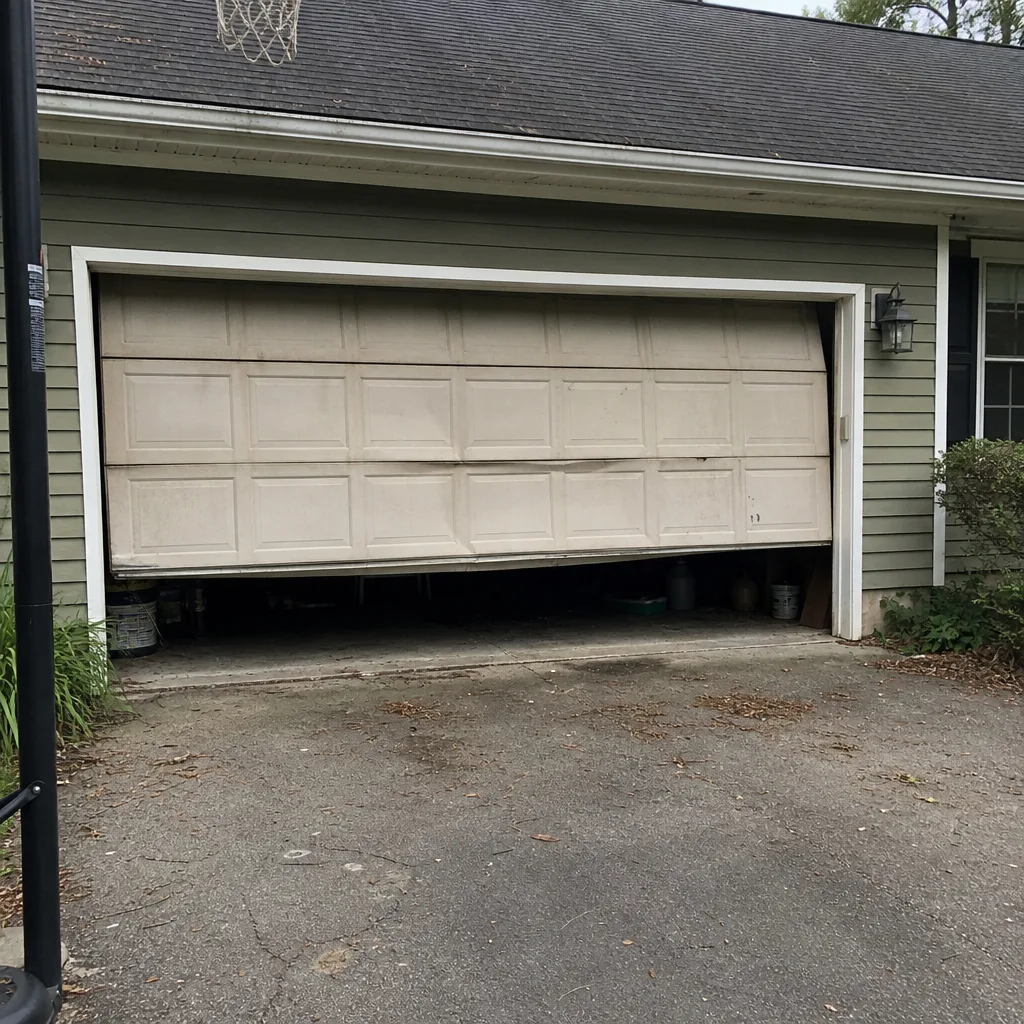 Before
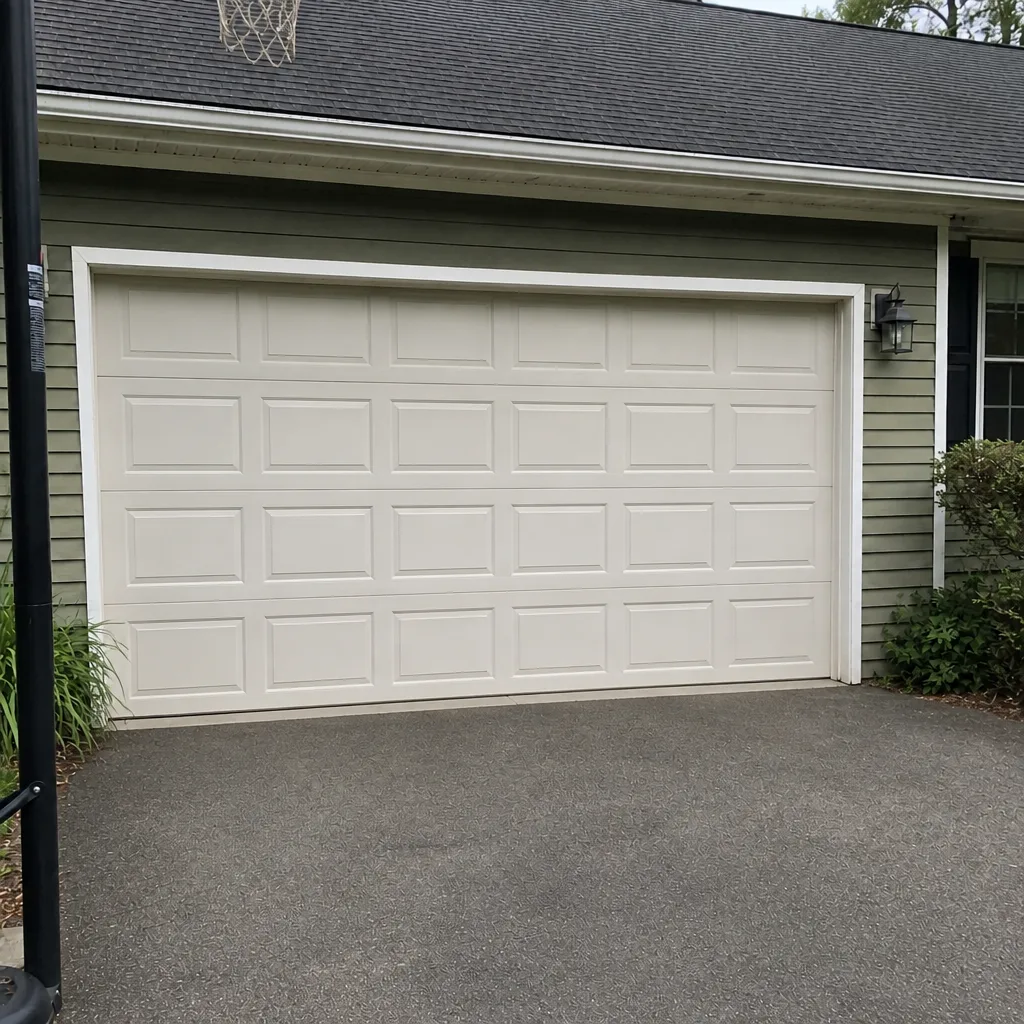 After
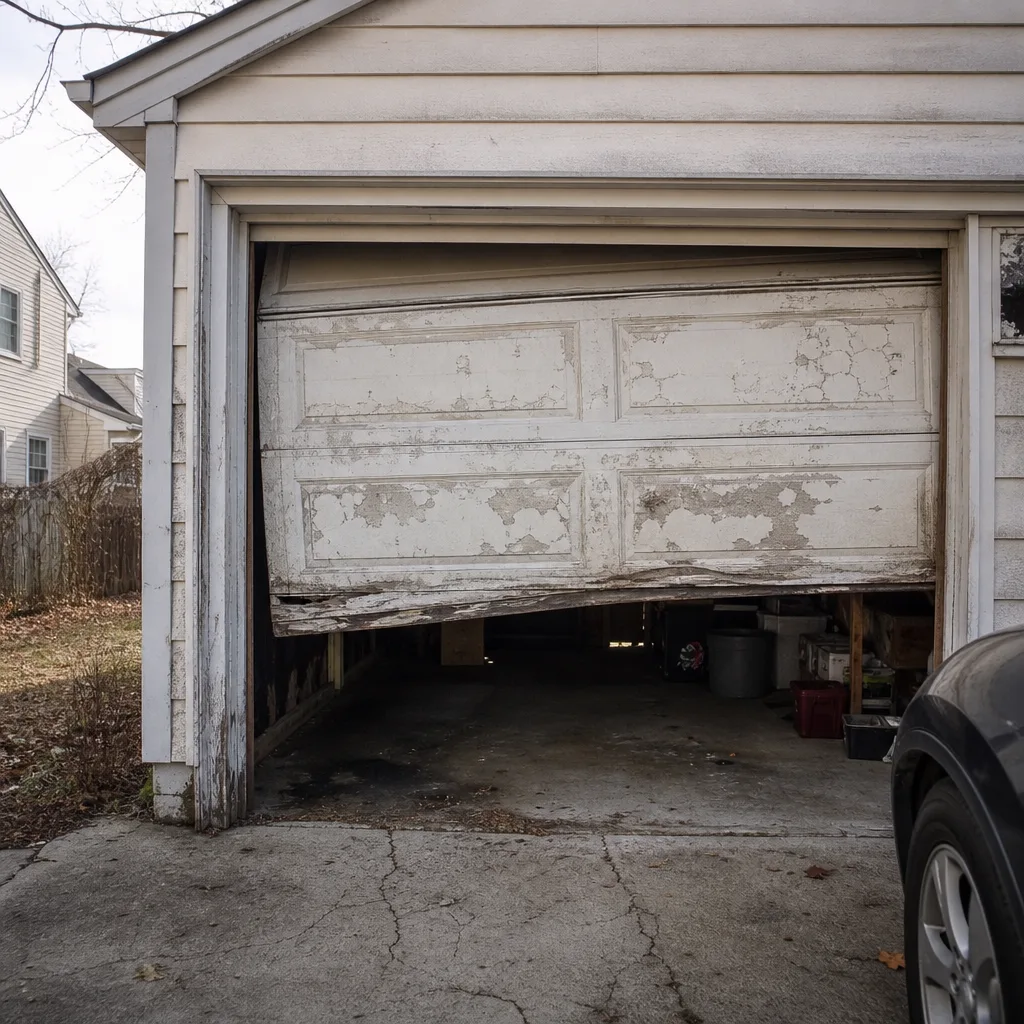 Before
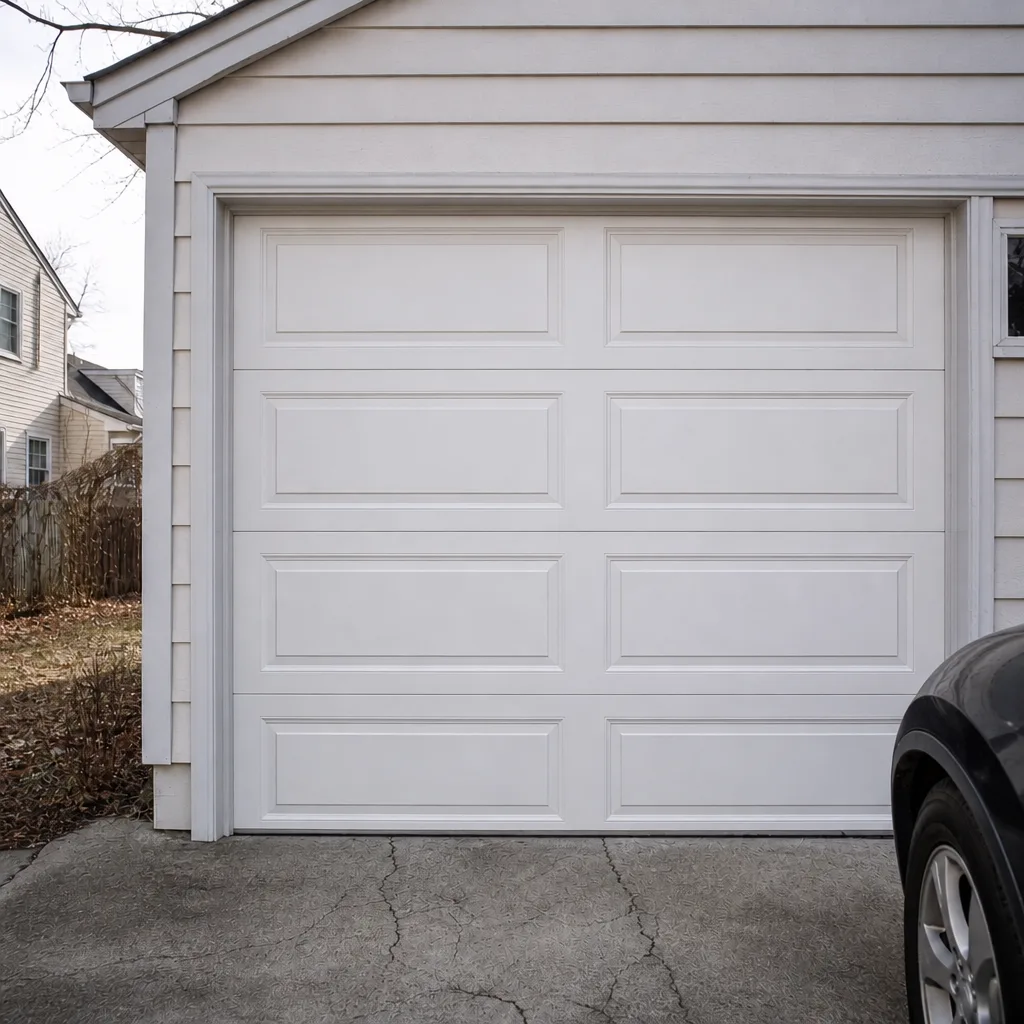 After
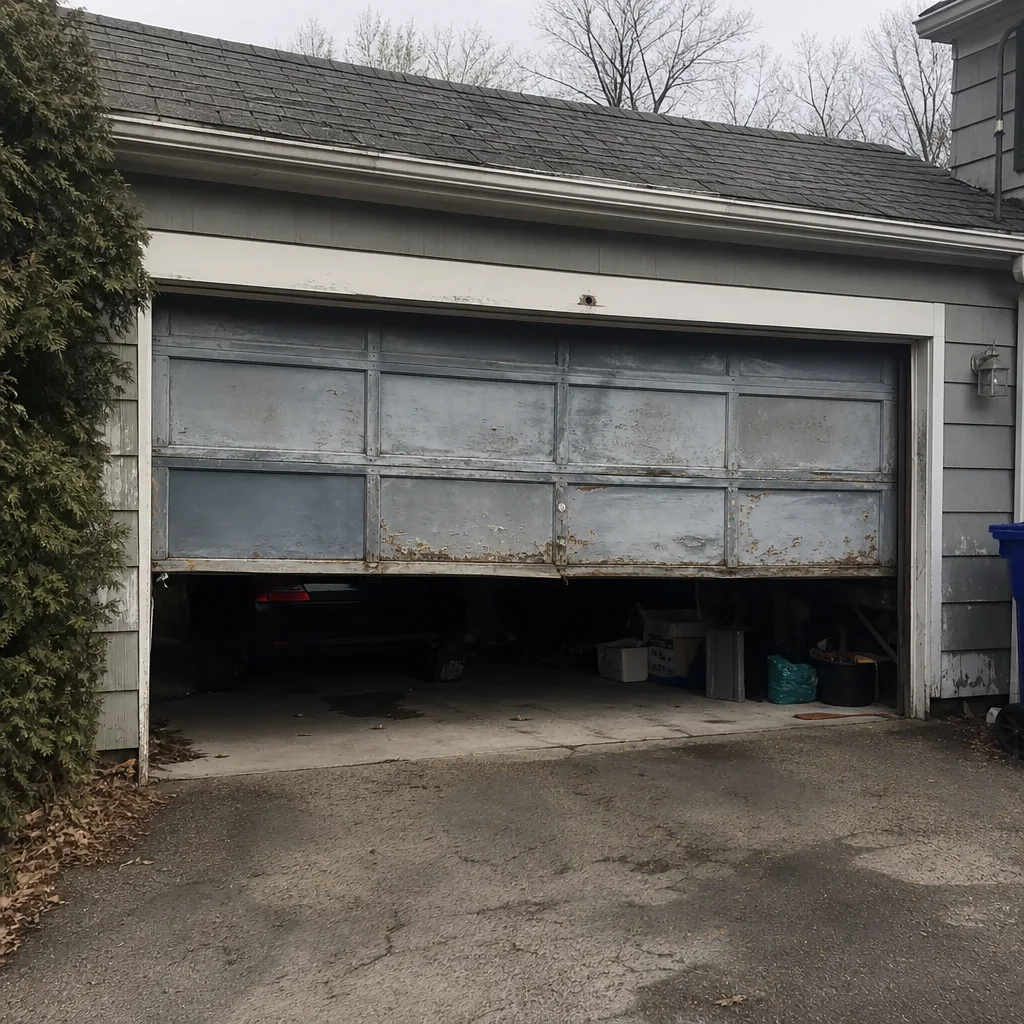 Before
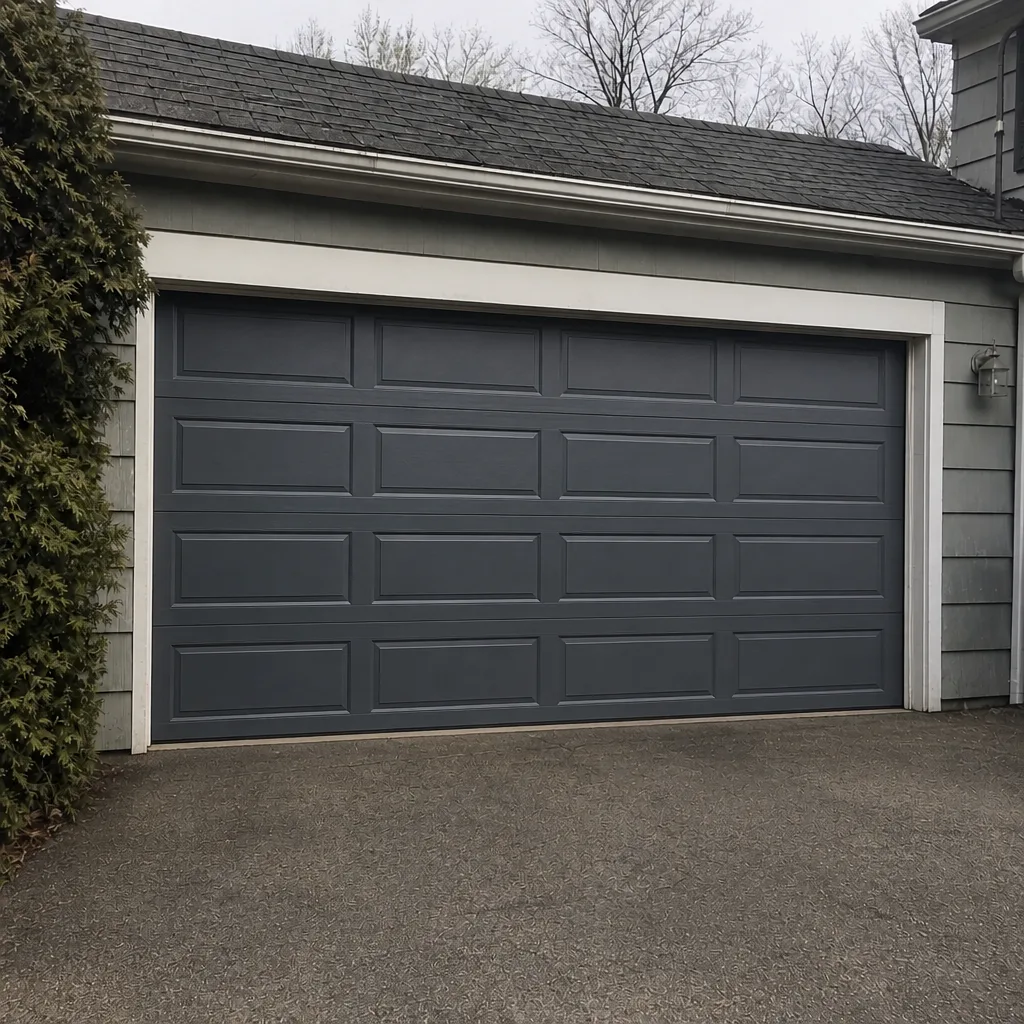 After
When to Call a Professional
Call a professional when the work involves replacing the door, changing the opening, or handling the springs and cables. These are the jobs where the safety and code stakes are real, and a trained technician with the right tools is the difference between a passing inspection and a problem. Call us when your door is sticking, when the opener won’t respond, when a spring has snapped, or when you’re planning a replacement and want the permit question answered before you commit. We’re a single-trade specialist, so every call is a garage door call, and our technicians have up to 9 years of experience working on the brands already in your garage. Manchester Garage Door Repair Co offers free estimates in Manchester, and we answer 24/7. Fast dispatch from 7am to 7pm, Sunday through Friday. Call (888) 315-6660.
Frequently Asked Questions
Yes. A garage door replacement in Manchester requires a building permit because it’s a change to an exterior assembly with a wind load rating and anchorage details that must meet current code. Repairs to springs, cables, rollers, or openers generally don’t require one. Call Manchester’s building department to confirm your specific job, and call (888) 315-6660 for a free estimate on the work itself.
The 2022 State Building Code update changed the wind load requirements for garage doors, which means doors installed before that date were held to a different standard than a new installation today. A pre-2022 door that met the code at the time may not be compliant as a new install. We install doors from Amarr, Wayne Dalton, Craftsman, and Raynor that carry documented ratings for current requirements. Call (888) 315-6660 to talk through your house.
The inspector checks that the installed door matches the approved permit, carries the required wind load rating, and is anchored with the specified hardware. Balance, smooth operation, spring containment, and opener entrapment protection are also on the checklist. If something fails, it’s usually a minor correction before the permit closes. Call (888) 315-6660 for a free estimate before you schedule work.
Unpermitted garage door work surfaces at the buyer’s inspection, and it can slow the sale, require a disclosure, and raise questions about insurance coverage. In some cases bringing the installation into compliance means redoing the work rather than filing after the fact. If you’re planning to sell, check your permit record early and get ahead of it. Call (888) 315-6660 for a free estimate on the work.
It may not, or the coverage may be limited. An insurer handling a claim on a garage door can question whether the installation complied with code, and an unpermitted, non-compliant install gives them a reason to look closely. The safer path is to have the permit pulled and the inspection closed as part of the job. Call (888) 315-6660 for a free estimate.
Either can in many cases, but a garage door specialist usually pulls it as part of the job because the paperwork has to come from someone who knows the code requirements for that specific installation. We pull permits routinely and treat it as standard rather than an add-on. Calls outside dispatch hours are booked into the next opening, Sunday through Friday, 7am to 7pm. Call (888) 315-6660 for an exact quote – estimates are free.
The Bottom Line
The permit is part of the job, not an obstacle to it. If you’re replacing a garage door in Manchester, expect a building permit and an inspection, and expect the door to meet the current wind load and insulation requirements rather than the standards of the door you’re removing. Repairs don’t need the paperwork. Replacements do. Structural changes need it and a plan review. The downside of skipping it shows up at resale and at claim time, and the upside of doing it right is a door that’s documented, code-compliant, and ready for another Manchester winter. If the process feels like a lot, that’s exactly the part a specialist handles for you.
Have a door to replace, a spring to fix, or a permit question you want answered before you commit? Call us at (888) 315-6660 for a free estimate. We answer 24/7, with fast dispatch from 7am to 7pm, Sunday through Friday. Garage doors are all we do, which means they’re all we think about.
Written by the team at Manchester Garage Door Repair Co.