
Last updated November 21, 2026
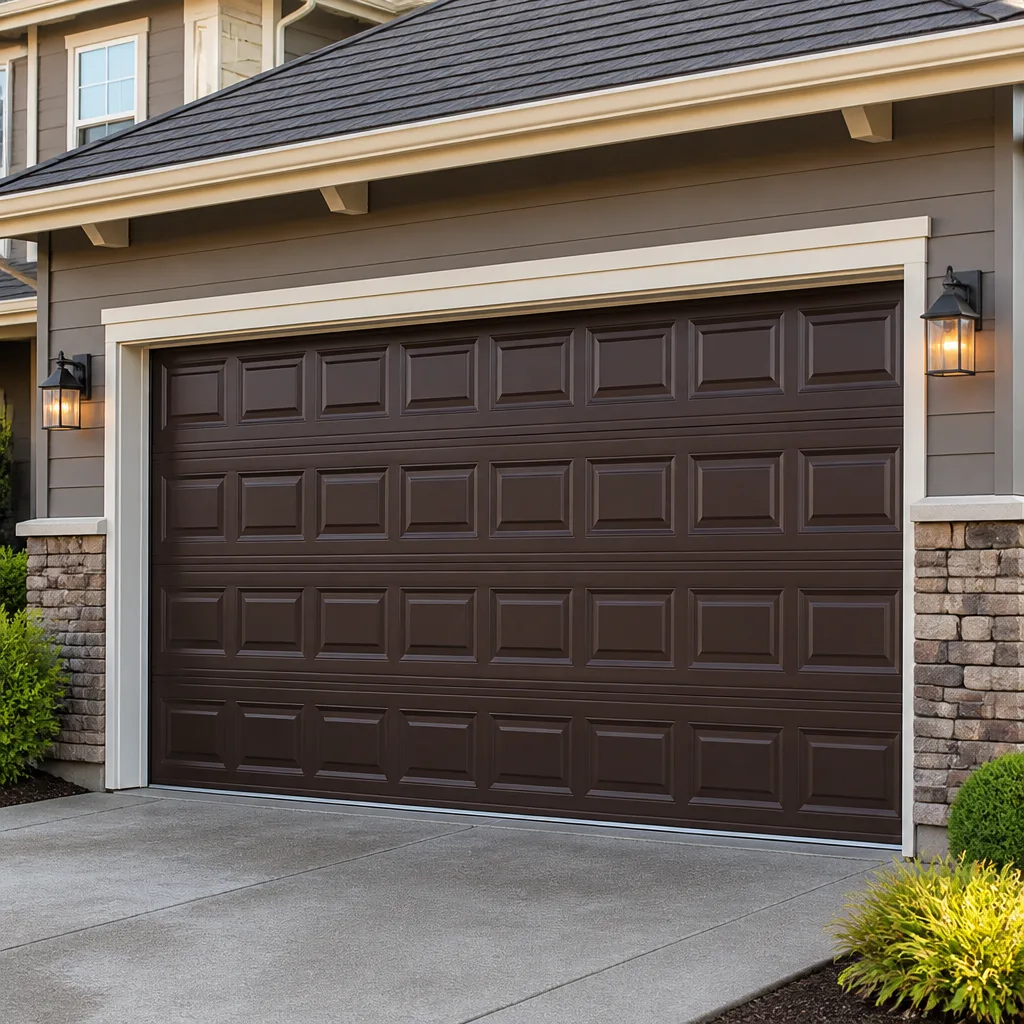 Raised-panel steel
 Carriage house
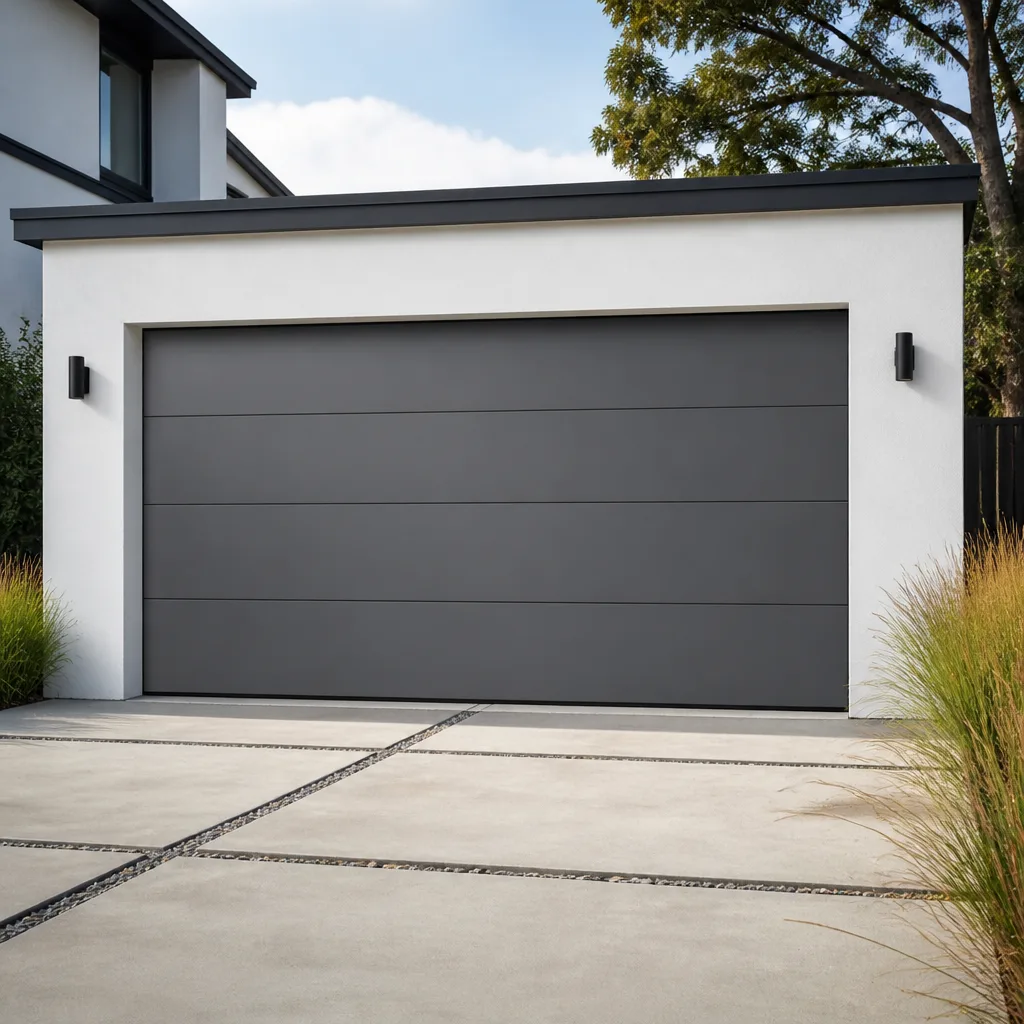 Modern flush
 Full-view glass
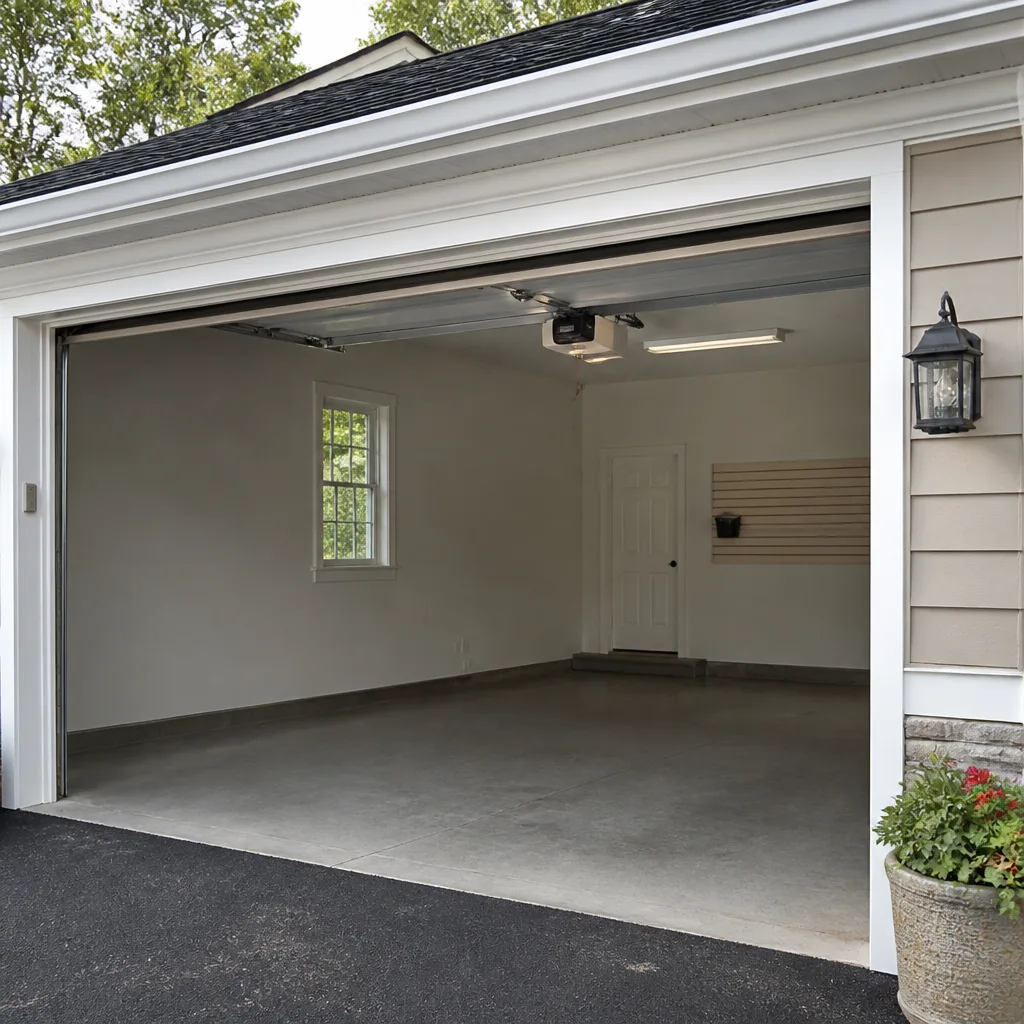 LiftMaster openers
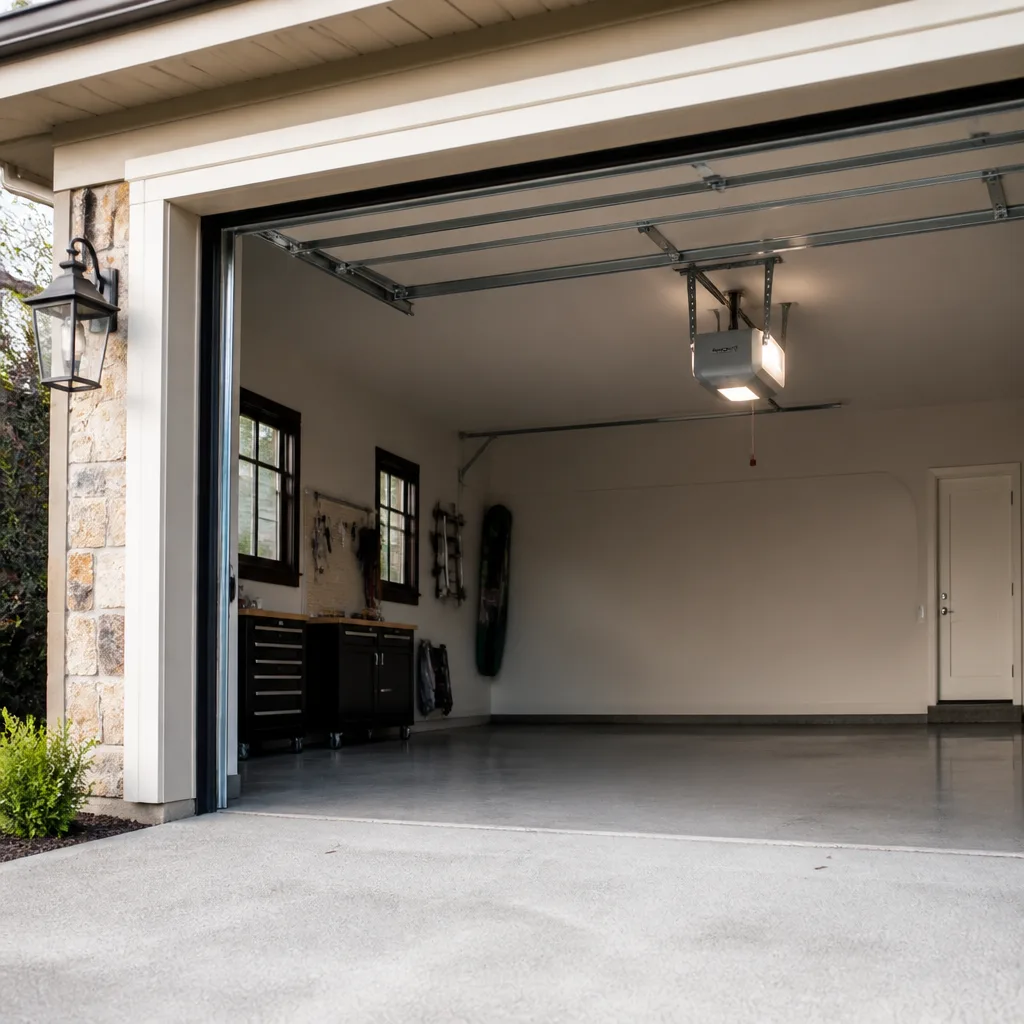 Chamberlain openers
Full 25-point door and opener safety check with every visit - springs, cables, rollers, tracks, and your LiftMaster or Chamberlain opener included
You get a price before we start. It does not change when the pro arrives.
Get your free estimateDIY vs Professional Garage Door: The Manchester Homeowner’s Decision Guide
Most homeowners who ask us whether they should tackle a garage door repair themselves are thinking about the wrong question. The real issue isn’t whether you can turn a wrench or follow a video. It’s whether the specific task in front of you carries consequences severe enough that the risk changes no matter how capable you are. A torsion spring under tension stores enough energy to cause a serious injury when it lets go in the wrong direction. That’s not a lawyer’s warning – it’s physics. A two-hundred-pound door held by a spring wound to roughly 150 foot-pounds of torque does not belong in the same risk category as swapping a light fixture. This guide draws the actual line, task by task, so you know exactly where DIY makes sense and where it doesn’t. We’ll cover the real cost math, the Connecticut permit question, and the one project most homeowners can finish safely.
Quick Answer
Genuinely safe DIY garage door tasks are limited to lubrication, tightening visible bolts, cleaning photo-eye sensors, and replacing the battery or remote. Anything involving torsion springs, cables, bottom brackets, or the door’s balance should go to a trained professional – the stored energy in those components can injure you before you react. Opener replacement and minor hardware swaps sit in a middle zone: doable for a careful homeowner, but a professional install is worth it if your door is older, heavy, or your opener is a smart system tied to Genie or LiftMaster. In Manchester, CT, the biggest DIY risks are the same as everywhere else: springs and cable tension.
Styles & brands we work with
- Raised-panel steel
- Carriage house
- Modern flush
- Full-view glass
- LiftMaster openers
- Chamberlain openers
Table of Contents
- The Actual Line: Why Garage Doors Are Different From Other Home Repairs
- The Task-by-Task Breakdown: What’s Safe, What Needs Skill, What Never to Try
- What DIY Really Costs When You Factor in Mistakes
- The Connecticut Permit Question That Catches DIYers Off Guard
- The Three Most Common DIY Garage Door Injuries and What Causes Each One
- The One Project Most Homeowners Can Do Safely: Opener Replacement
- How a Manchester Winter Tests Your Door’s Condition
- When It’s Time to Bring in a Specialist
The Actual Line: Why Garage Doors Are Different From Other Home Repairs
Garage doors are the largest moving object in most homes. A single-width door weighs somewhere between 130 and 200 pounds on average, and double-wide doors run heavier. That weight is suspended by two springs and controlled by high-tension steel cables on metal drums. When something in that system fails, it fails with force. Understanding the mechanics matters because it tells you where the risk truly sits.
The spring system is the core of the risk. Torsion springs, mounted on a shaft above the door, store enormous rotational energy. Extension springs, mounted along the sides, stretch under tension. Both types hold force that stays trapped until the spring is deliberately released or the door cycles to the right position. Cables, brackets, and drums all work together to keep the door balanced, and each one is under load.
The moving door itself is a lesser but real hazard. A door that comes down on a hand or a pet can cause injury, which is why reverse sensors exist on every modern opener. But sensor failures are easy to identify and easy to correct. Spring failures are not.
Compare this to hanging a shelf or replacing a faucet. Those tasks involve weight, but not stored energy. Pull a bolt off a wall shelf and gravity takes over immediately – you see the result in real time. Pull a spring the wrong way and the released energy doesn’t give you time to react. That distinction is the entire reason professional garage door service exists as its own trade. In Manchester, where older homes often have original doors that have cycled tens of thousands of times, the wear layer makes the risk higher, not lower. If you’re already noticing uneven movement or slack in the door, a garage door repair call is worth more than a weekend project attempt.
The Task-by-Task Breakdown: What’s Safe, What Needs Skill, What Never to Try
The clearest way to frame this is by consequence. Every garage door task falls into one of three categories, and the categories are drawn by what happens if you get it wrong – not by how confident you feel. Here’s where we’ve seen each one land on real Manchester repair calls.
Green Light: Genuinely DIY-Safe
These tasks involve no stored spring energy and no load-bearing cable work. You can safely complete them with common tools.
- Lubricating rollers, hinges, springs, and the track with a garage-door-specific spray (not WD-40)
- Tightening visible bracket bolts and hinge screws that have loosened from use
- Cleaning photo-eye sensors with a soft cloth and checking that the LED lights stay solid
- Replacing a remote battery
- Testing the door’s balance by disconnecting the opener and lifting the door manually (if it stays halfway up, balance is good; if it falls, call a professional)
- Repainting or staining a wood door during warm weather
- Clearing debris from the track with a damp rag
Yellow Light: Moderate Skill Required
These are doable for a careful homeowner but carry a real risk of a secondary problem if you get a step wrong.
- Replacing the bottom weather seal or threshold strip
- Swapping a photo-eye unit or doorbell-style wall button
- Adjusting track alignment for minor rubbing (over-tightening the bolts is where most DIYers create new problems)
- Replacing plastic rollers with nylon ones (the door needs to be fully open and held with a locking bar to do this safely)
- Installing a new opener on an existing balanced door
Red Light: Never Attempt Without Professional Training
These are the tasks where a mistake can cause serious injury. No video, no confidence level, and no set of tools changes this category.
- Torsion spring repair or replacement
- Extension spring repair or replacement
- Cable replacement or any work on the drums
- Bottom bracket removal (the bracket is under constant cable tension and can whip off the door if released incorrectly)
- Lifting the door off its hinges or taking apart the track system
- Adjusting the torsion shaft or winding cones
This is the line that matters. If you remember nothing else from this guide, remember that spring work and cable work belong on the red side. A dedicated garage door spring repair call is a small thing compared to the risk of doing it yourself. Our technicians have up to 9 years of experience with exactly these components – not because it’s exotic work, but because it’s genuinely dangerous work that rewards knowing the exact sequence.
What DIY Really Costs When You Factor in Mistakes
Homeowners often look at a professional quote and compare it to the price of parts online. But parts are rarely the whole story. When a DIY repair goes wrong on a garage door, three hidden costs usually show up: rented tools, wasted materials, and the callback cost of fixing the secondary problem.
The Hidden Cost List
- Tool rentals. A proper spring winding requires winding bars (which most homeowners don’t own and shouldn’t improvise), a pair of locking pliers, and sometimes a door-lifting bar. Rentals and one-off purchases frequently push a DIY spring replacement into professional pricing territory before a single minute of work.
- Wasted materials from mistakes. Buy the wrong spring gauge once – common when the original spring is worn and no longer measures true – and you’ve got a door that won’t balance. Wrong springs take a second order, a second payment, and a second weekend.
- Callback cost. If a DIY tune-up introduces a track misalignment or over-tightens a hinge and the door starts jamming, you’re now paying for the original project plus the professional repair of the damage it caused. We see this most often after homeowner attempts on track adjustment and opener installation.
- Time off work. A broken door means the car is stuck inside. Every day of waiting on a part or a YouTube tutorial instead of a repair is a day of arranging rides.
A Realistic Side-by-Side
For simple tasks – lubrication, sensor cleaning, bolts – DIY wins on cost every time. For a bottom seal or a new wall button, DIY is often half the professional price. But for anything involving springs, cables, or a full opener install on an unfamiliar door, the total cost of materials plus tools plus risk usually lands close to or above a professional quote, and the professional version comes with a call-back if something isn’t right. Get a written estimate before you decide; that’s the cleanest comparison you can make. Free estimates mean the comparison itself costs nothing.
The other piece of this: opening the door to a smart-home setup you want to keep tied to an existing Genie or LiftMaster app costs more in DIY setup time than most people expect. A specialist can wire it once and be done. If you’re weighing a self-install of a new opener against a professional one, our garage door opener repair page covers the parts of the job most likely to go sideways.
The Connecticut Permit Question That Catches DIYers Off Guard
Permit requirements for garage door installation vary by town and by which part of the door you’re touching. In Connecticut, a full replacement door – especially on an attached garage – is usually the type of job a town building department wants to review before work begins, because a new door affects structural attachment and can affect the home’s exterior envelope. Repairs to existing components generally don’t trigger a permit; installations and replacements often do.
That distinction matters for the DIY decision. Even if you could technically bolt on a new door, skipping the permit is where the trouble starts. Unpermitted work can complicate a future home sale, surprise you at resale inspection, and create insurance questions if the work is ever part of a claim. Manchester’s building department, like most in the area, wants to know what’s being installed and by whom.
The reliable move is to call your town’s building department before you commit to any install project and ask one direct question: does a residential garage door replacement in my town require a permit, and who is eligible to pull it? Sometimes the answer is that the homeowner can pull the permit as an owner-builder. Sometimes the answer is that the work needs to be done by a licensed contractor. Either answer is useful – you just need it before you start.
This is one place where a professional installation saves real headaches. The written estimate from a professional installer should spell out whether the permit is included or handled separately, and who pulls it. If you’re planning a replacement in the Manchester area, ask for that detail up front. It’s the kind of question a specialist is used to.
The Three Most Common DIY Garage Door Injuries and What Causes Each One
The injuries we hear about most often in Connecticut fall into three patterns, and each one traces back to a specific task. Understanding them isn’t about scaring you – it’s about making the line concrete.
1. Hand and finger injuries from spring release
The most common injury is to the hands, and it comes from winding or releasing a torsion spring without the right tools or with the wrong sequence. Springs let go suddenly, and fingers near the winding cone or the shaft take the force. This is the injury pattern behind the red-light category: no amount of care substitutes for the trained sequence.
2. Head and shoulder injuries from falling doors
A door that’s been disconnected from its opener, with a failed spring, can slam down faster than expected. Anyone reaching up to adjust a bracket or track has their head and shoulders directly in its path. This happens most often when a homeowner has already noticed a soft-close or hanging door and thought they could diagnose the spring themselves. That’s the moment to stop, not push forward.
3. Eye injuries from cable snap
Cables under tension can snap with a whip motion. Homeowners cleaning a track or tightening a bracket near the cable assembly occasionally get caught off guard. Eye injuries are the result. This is why cables, drums, and bracket removal are all on the red-light side – the failure mode is silent until it isn’t.
The through-line in every one of these is that the injured person was trying to do a task in the yellow or red zone, not the green zone. The good news is that every one of the three is avoidable by respecting the category. If your door has a tight, noisy, or uneven symptom right now, that’s a signal to call a professional, not to try harder. Manchester Garage Door Repair Co has handled these calls for years, and the pattern is always the same: the injury happens before the homeowner realizes the spring was already under load. If a spring is visibly broken, worn, or the door feels heavier than it used to, don’t try to correct it yourself.
The One Project Most Homeowners Can Do Safely: Opener Replacement
Opener replacement is the accessible DIY project. It’s still a two-person job to be honest with yourself about, but a careful homeowner with basic tools can complete a modern opener install in a weekend afternoon, especially with a smart system from a known brand like Chamberlain or LiftMaster. The key is that the door itself has to be in good working order first – a worn spring, a bent track, or a door that won’t balance defeats the whole purpose.
Here’s the sequence that works:
- Check the door first. Disconnect the current opener, lift the door halfway by hand, and let go. A properly balanced door stays put. If it falls, the door needs professional attention before any opener work begins.
- Confirm the door’s condition at the hinges and rollers. Any grinding, catching, or loose hinge should be corrected first – a new opener on a sick door just wears out the opener.
- Read the manual before you unpack. Every opener has a specific ceiling mounting pattern and a specific rail length. Measure your ceiling height and door height before you buy.
- Mount the header bracket first. This bracket drives the whole system. Get the height and center-line right and the rest of the install stays easy.
- Hang the motor and set the rail. Two people make this safe. The motor is heavy enough that a one-person install is where most minor injuries occur.
- Wire the safety sensors at the door opening and align them. The sensors should be about six inches off the floor. If either LED blinks, the alignment is off.
- Program the travel limits and force settings. Most modern openers auto-learn this with a single button press, but check the manual – some models want you to set the open and close positions manually.
- Pair remotes, keypad, and the app. This is where smart openers save time over legacy units. Follow the pairing sequence exactly.
- Test the safety reverse. Place a piece of wood on the floor in the door’s path and close the door. It must reverse on contact. If it doesn’t, do not use the door until it does.
What makes opener work different from spring work is the energy involved. An opener is a motor, and a motor can hurt you, but it doesn’t store force the way a spring does. A mistake on an opener install means a misaligned rail or a door that doesn’t close correctly – annoying, not dangerous in the spring sense. That’s why it can safely sit in the middle zone.
The catch is the door. If your door is on its last legs, replacing the opener first is putting new machinery on an old problem. If a Clopay or Amarr door has been in place for a long time and is showing wear, a professional evaluation is the better first step. Manchester homes often have doors that were installed in a different era of opener technology, and the door needed professional attention before the opener ever became an issue.
How a Manchester Winter Tests Your Door’s Condition
Manchester’s cold season makes the difference between a healthy door and a tired one more visible. Torsion springs under torque work more stiffly in cold weather, and metal contracts. Doors that ran quietly in September can develop squeaks, uneven motion, or hard closes by January. None of that is a defect; it’s the door telling you it needs attention before something breaks.
The practical fallout of a cold-season failure is larger here than in warmer parts of the country. A door that fails on a January morning with the car inside isn’t just an inconvenience – it’s a commute problem, and a heat-loss problem for any attached garage. That’s why the winter months are when we most often hear from Manchester homeowners about doors that suddenly stopped closing all the way, or openers that started struggling on the way up. Both are signals that the door’s balance and the springs are starting to fade.
A quick winter check that’s genuinely DIY-safe: disconnect the opener, lift the door halfway by hand, and let go. If it drops, that’s a spring or balance problem and it needs a professional. If it stays, you’ve confirmed the door is balanced and the opener’s struggles (if any) are likely an opener issue – still worth a professional call, but a different call.
The other cold-weather factor is the bottom seal. Manchester winters dry out and crack rubber thresholds. A cracked seal lets snow melt in, and that water runs back onto the door’s bottom section. Replacing the seal is a green-light project – it’s simple, affordable, and it prevents a bigger problem before it starts. Clean the track while you’re down there.
When It’s Time to Bring in a Specialist
The decision to call a professional is usually clearer than people think. Any door movement that feels stiff, uneven, or catches on the way up is a signal. Any spring that’s visibly worn, or an opener that struggles to lift the door, is a signal. Any cable that shows fraying, any bracket that looks loose, and any balance test that fails are all signals. Don’t wait on these – especially in Manchester’s cold months, when a marginal door is more likely to fail outright.
What a specialist brings isn’t just tools. It’s the trained sequence for spring work, the ability to identify a bad spring before it releases, and correct parts for the brand of door and opener already installed – Genie, Clopay, Amarr, Wayne Dalton, LiftMaster, Chamberlain, and every other major system. Manchester Garage Door Repair Co offers free estimates in Manchester – call (888) 315-6660. We answer 24/7. Fast dispatch from 7am to 7pm, Sunday through Friday. A price is quoted and agreed before any work starts, and the written estimate sets the final price.
Common Mistakes to Avoid
- Improvising a spring winding tool. A screwdriver or a piece of bar stock is not a winding bar. The force involved can snap improvised tools and turn them into projectiles. Buy or rent the right tool or call a professional – there’s no safe middle option.
- Lubricating with WD-40 or motor oil. Standard WD-40 isn’t a lubricant for garage door use and motor oil attracts grit. Use a silicone or lithium lubricant labeled for garage doors. The wrong product accelerates roller wear and makes the door noisier, not quieter.
- Skipping the balance test before opener work. If you install a new opener on a door with a failing spring, the opener takes the strain and burns out faster. Test the door’s balance first – disconnecting the opener and lifting the door manually is a minute of work.
- Adjusting the torsion spring as a “quick fix” for a hard-to-lift door. Spring tension belongs to a trained professional. What looks like a spring adjustment is often a balance problem the spring can’t fix, and DIY attempts lead straight to the injury list.
- Ignoring a bent track. A small bend becomes a bent roller, which becomes a bent hinge, which becomes a door that doesn’t stay on its track. Manchester winters make tracks more prone to frost heave at the floor transition. If it looks off, get it looked at.
- Committing to a new door install without checking the permit. Even when the install is technically doable, an unpermitted replacement can create issues at resale. Call your town’s building department first – one phone call answers the whole question.
- Trusting a multi-trade handyman for spring work. Garage door springs are their own specialty and their own risk category. A generalist who “does a bit of everything” is less likely to have the exact tools and parts on hand, and the spring is exactly the component where the tools matter most.
See the difference
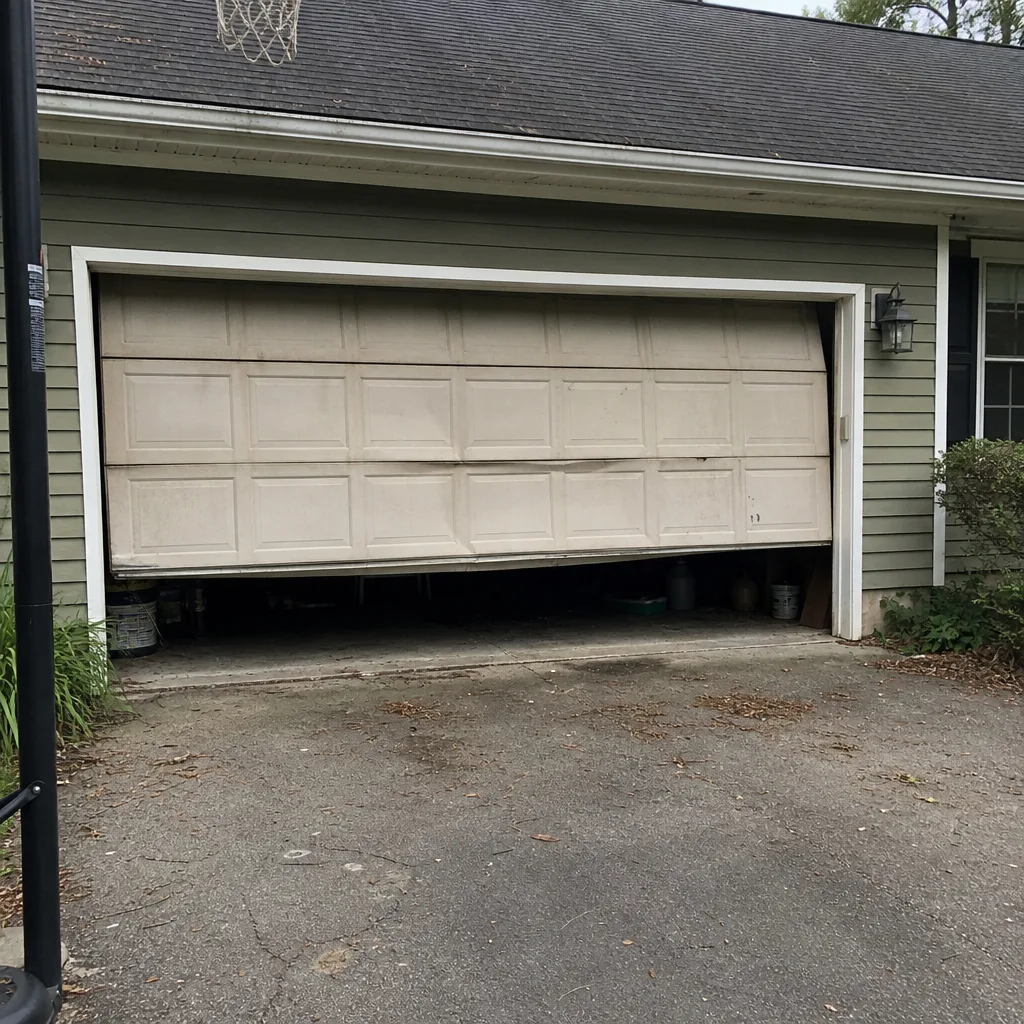 Before
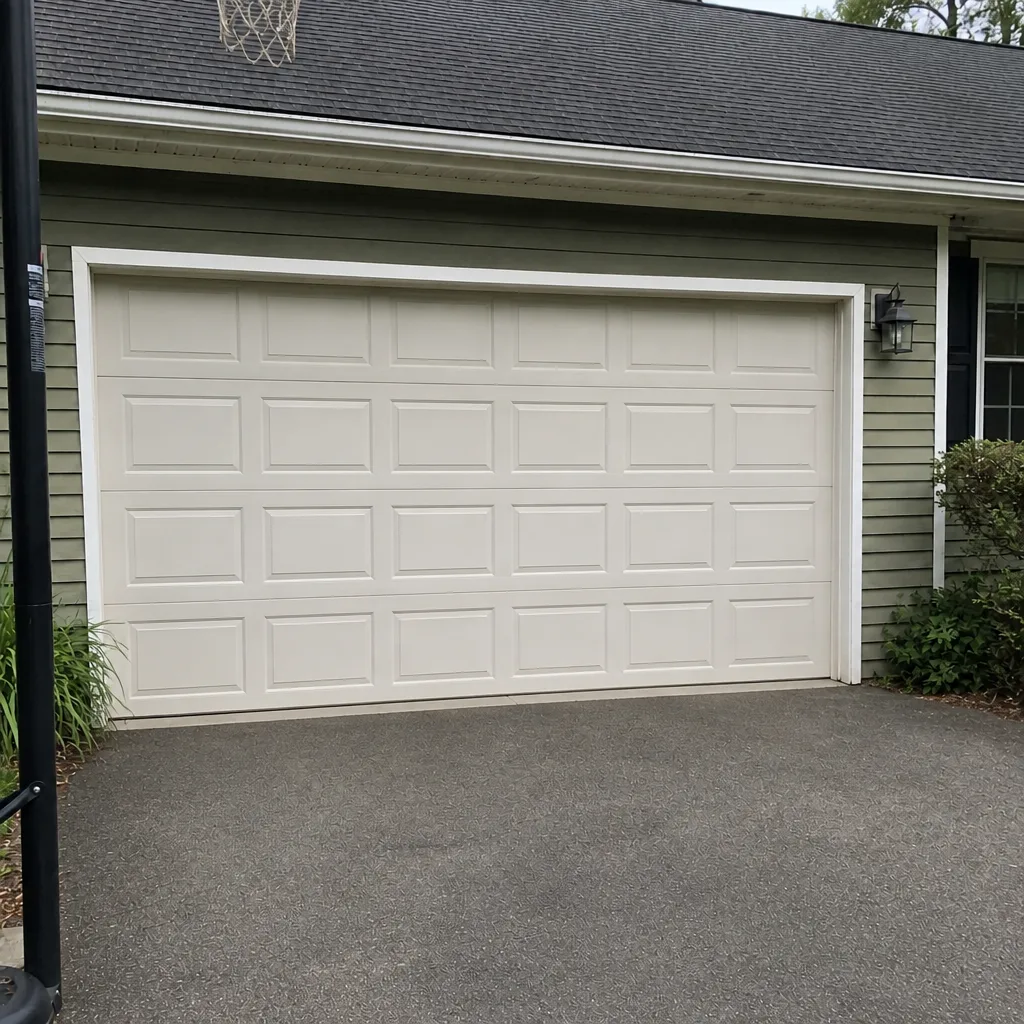 After
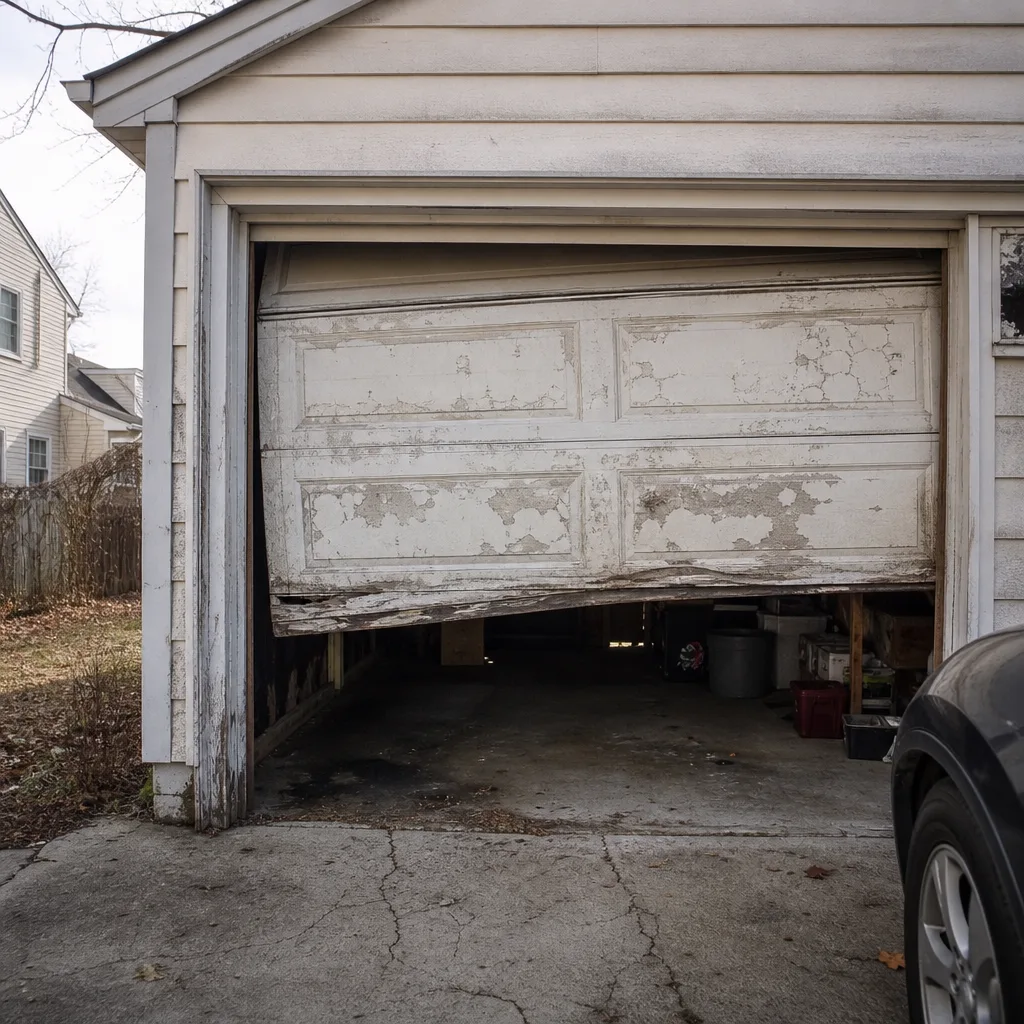 Before
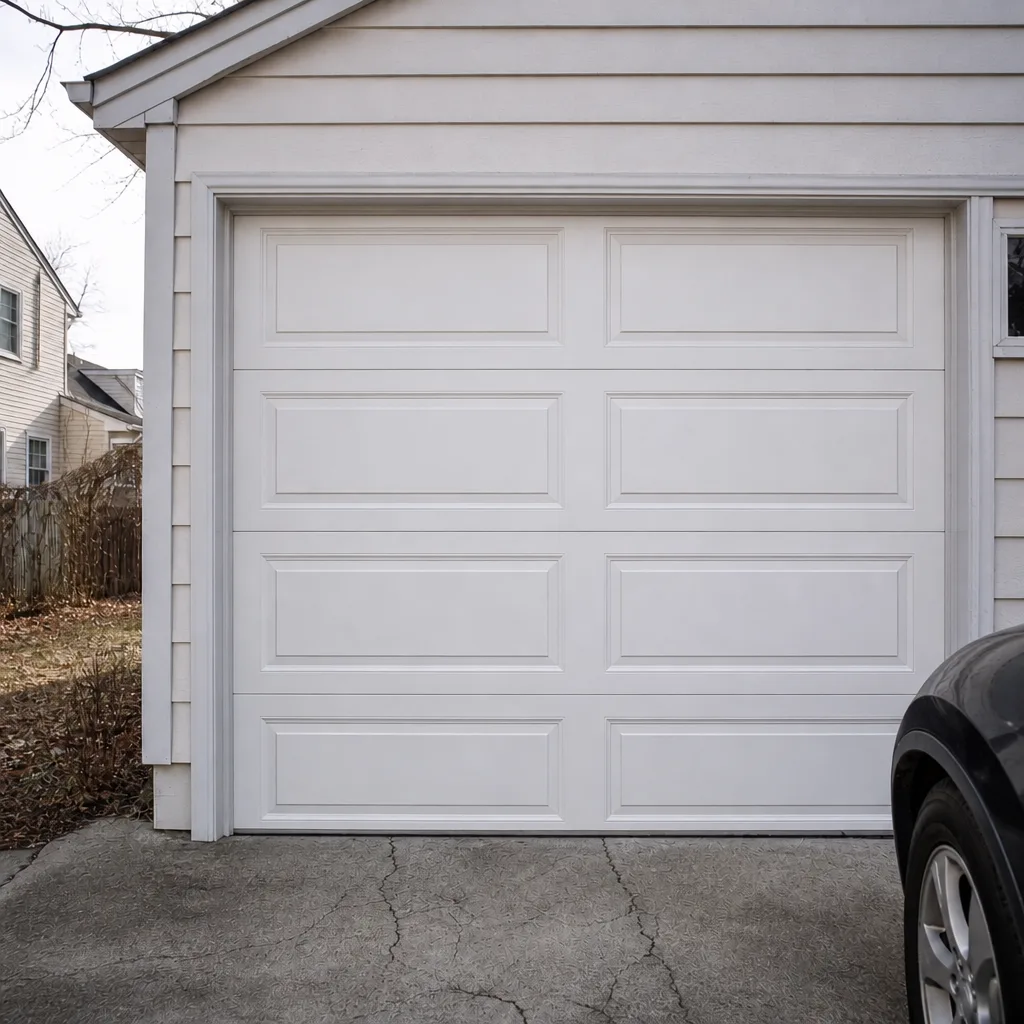 After
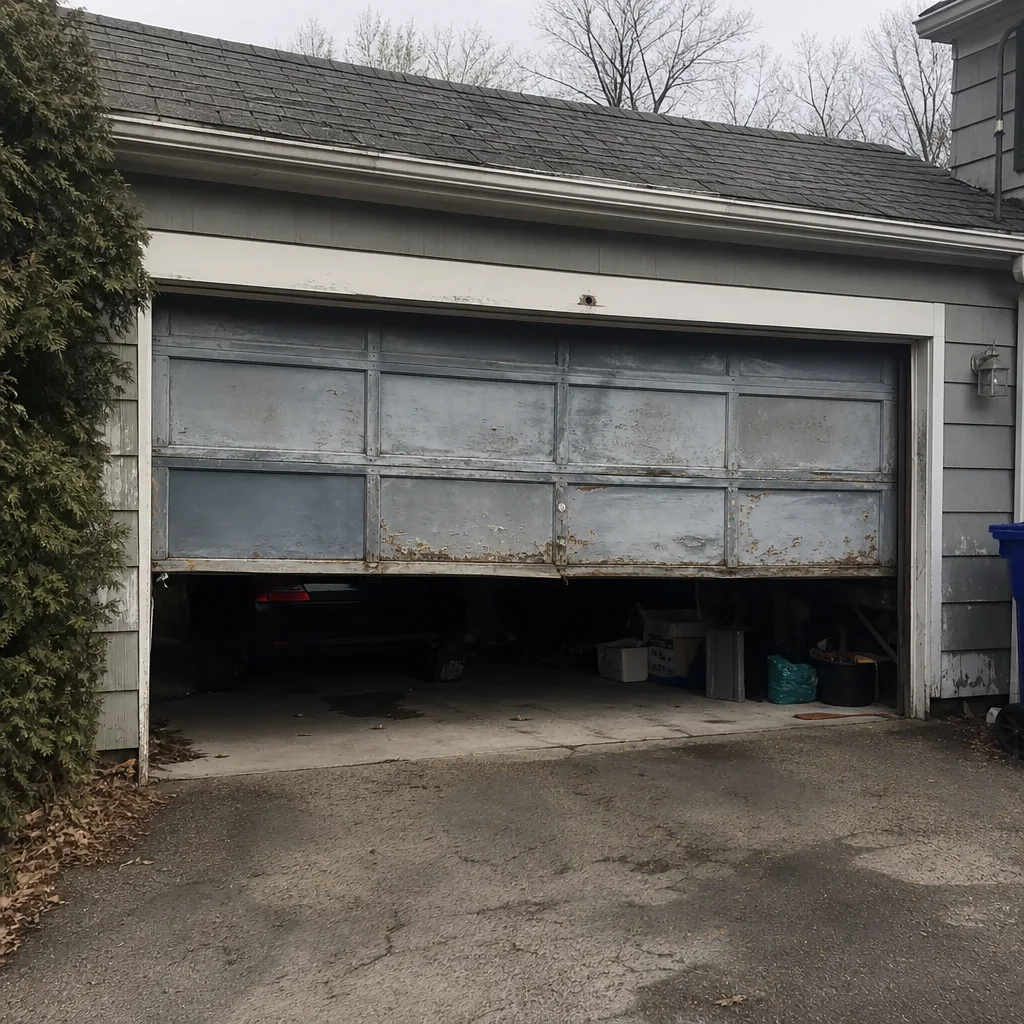 Before
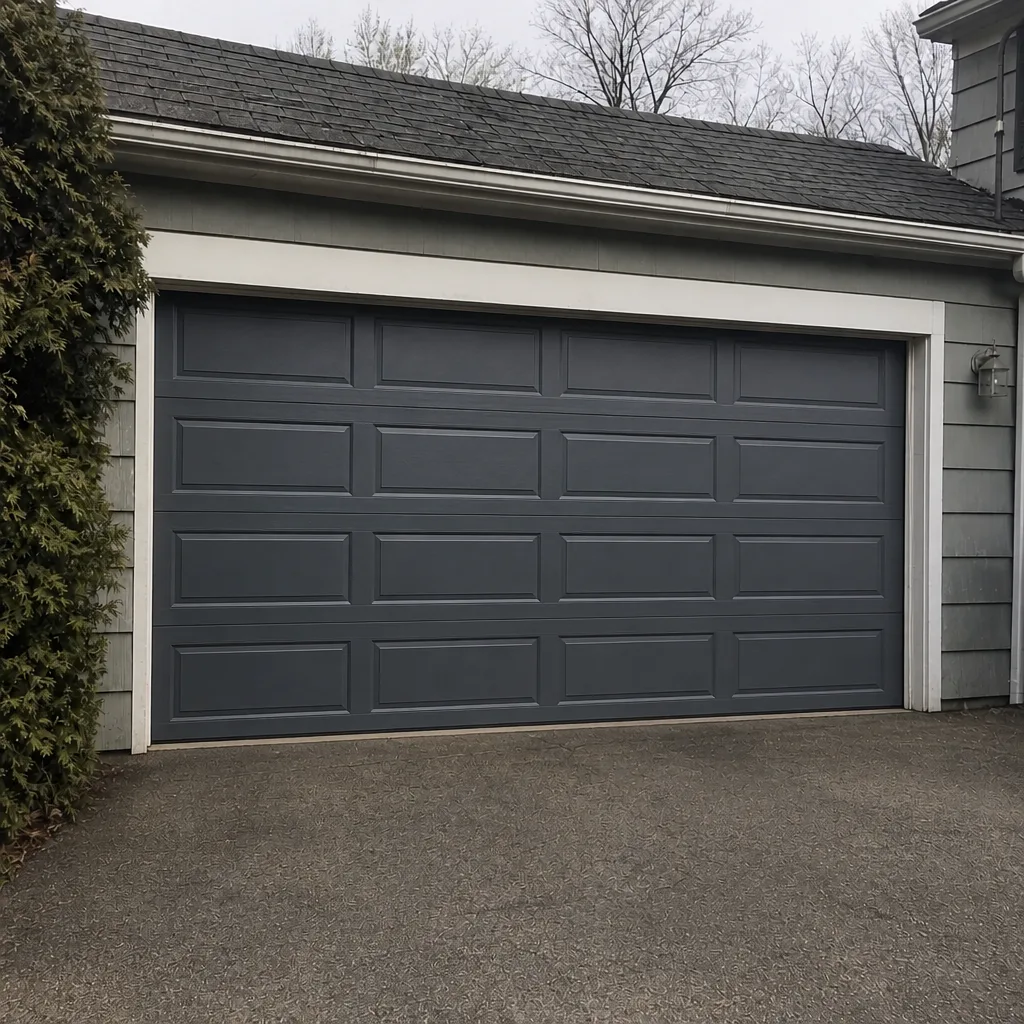 After
When to Call a Professional
Call a professional for any spring, cable, or bracket work, any balance problem, any door that’s been hit, and any opener issue on a door older than you’d trust. The categories are firm, and the Manchester Garage Door Repair Co team handles all of them – repair, opener service, spring replacement, installation, and emergency calls. Our technicians have up to 9 years of experience with the brands already installed in your garage, from Genie and LiftMaster to Clopay and Amarr. Every call is a garage door call, because garage doors are all we do. A broken door doesn’t wait for business hours – the phone line doesn’t either. Call (888) 315-6660 for a free estimate. If you’d rather compare first, that estimate is free and gets you a number you can hold side by side with the cost of parts and tools.
Frequently Asked Questions
No. Torsion springs store enough energy to cause serious injury when released, and no DIY guide changes that fact. The spring must be wound and released with the right tools and the correct sequence. A trained technician can complete the repair safely and correctly in a single visit. In Manchester, call (888) 315-6660 for a free estimate on spring replacement – estimates are free and the price is set by the written quote before any work starts.
It depends on your town and whether the project is a repair or a full replacement. Many Connecticut town building departments require a permit for a full residential door replacement, while repairs to existing components usually don’t. The safe move is one phone call to your town’s building department. Ask directly: does a garage door replacement at my address require a permit, and who can pull it? The answer varies, and the one call saves a lot of uncertainty later.
The most common mistake we hear about is attempting spring work with improvised tools or without the correct winding sequence. The second most common is installing a new opener on a door with a failing spring. The opener takes the strain and burns out early, and you’ve now got two problems. If the door’s balance is off, address that first.
No. Replacing a remote battery, a wall button, or a photo-eye sensor is a genuinely DIY-safe task. Lubricating the moving parts, tightening visible bolts, and clearing the track are too. These are green-light tasks where DIY is faster, cheaper, and just as good as a professional visit.
Yes, if the door isn’t balanced or if the travel limits are set incorrectly. An opener pushing against an unbalanced door strains both the door and its lifting mechanism. A DIY install on a door in good condition is a manageable project, but disconnect and test the door’s balance first. If it won’t hold halfway, stop and get a professional evaluation before installing anything. In Manchester, our fast dispatch from 7am to 7pm covers these evaluations, and the free estimate gets you a written number so you know what you’re in for. Call (888) 315-6660.
Manchester winters put more stress on springs and bottom seals than warmer climates do. Cold weather makes torsion springs work more stiffly and dries out rubber thresholds, so door maintenance checks are worth doing before the season turns. A simple balance test – disconnect the opener, lift the door halfway, and see if it holds – is safe to do yourself. If it fails, book a professional evaluation. Call (888) 315-6660 for a free estimate in Manchester.
The Bottom Line
The DIY-vs-professional line on garage doors isn’t about your skill; it’s about which tasks carry consequences severe enough to shift the risk. Lubrication, sensor cleaning, seal replacement, and remote battery swaps are safe to do yourself. Opener installation is a careful weekend project. Springs, cables, and brackets belong to a professional – not because you couldn’t learn them, but because the failure mode is too fast to correct. In Manchester, that line is concrete and easy to remember: stored energy means trained hands. Manchester Garage Door Repair Co works on garage doors only, across the brands already in your garage, with technicians who have up to 9 years of experience. Call (888) 315-6660 for a free estimate. We answer 24/7. Fast dispatch from 7am to 7pm, Sunday through Friday.
Book Your Free Estimate in Manchester
If this guide has helped you decide where your own project falls, the next step is a free estimate from Manchester Garage Door Repair Co. We’ll look at your door, give you a written price for the exact work needed, and quote and agree that price before any work starts. No service-call fee games and no surprise invoice at the end – just an honest number. Call (888) 315-6660. We answer 24/7. Fast dispatch from 7am to 7pm, Sunday through Friday. If your call comes outside dispatch hours, we’ll book you into the next opening, Sunday through Friday, 7am to 7pm. For overnight spring or opener emergencies, call anyway – the phone line is open and we’ll get a technician out the next available window.
Written by the team at Manchester Garage Door Repair Co.