
Last updated November 21, 2026
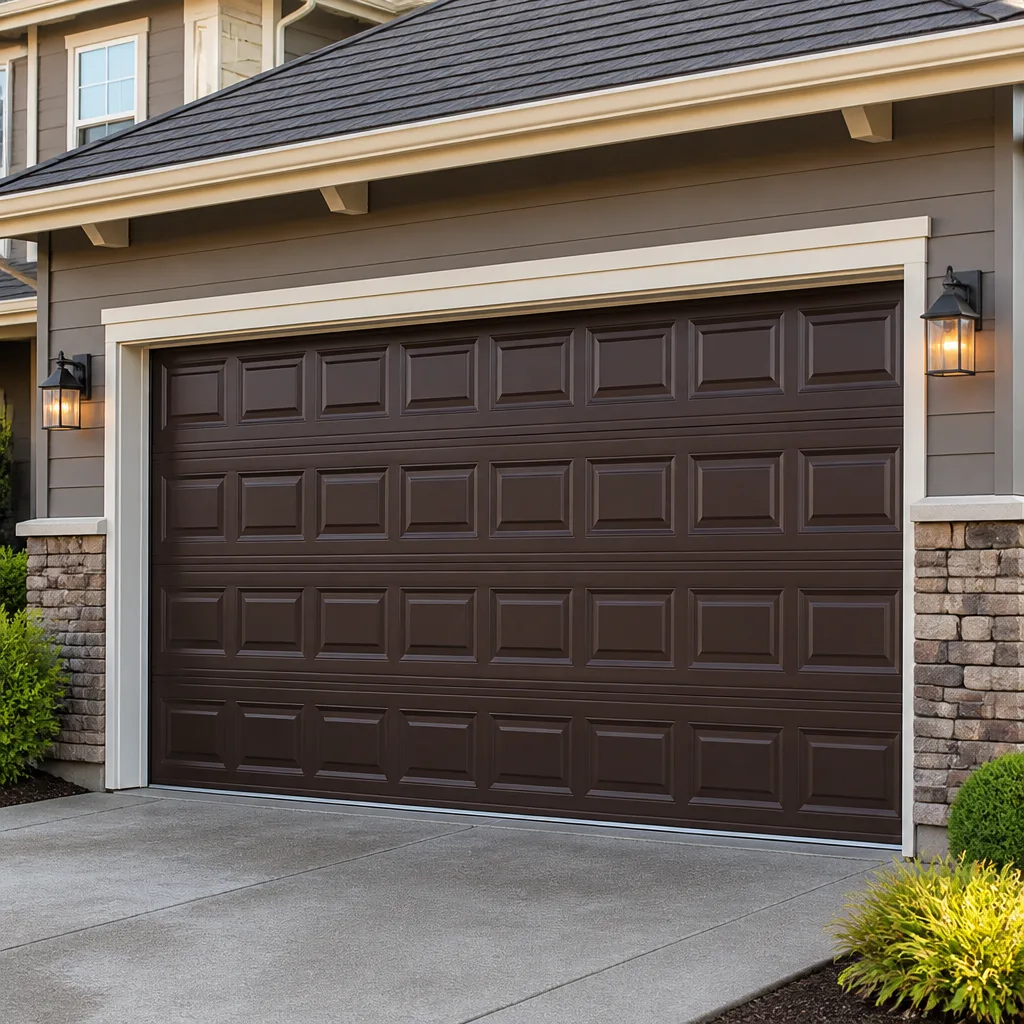 Raised-panel steel
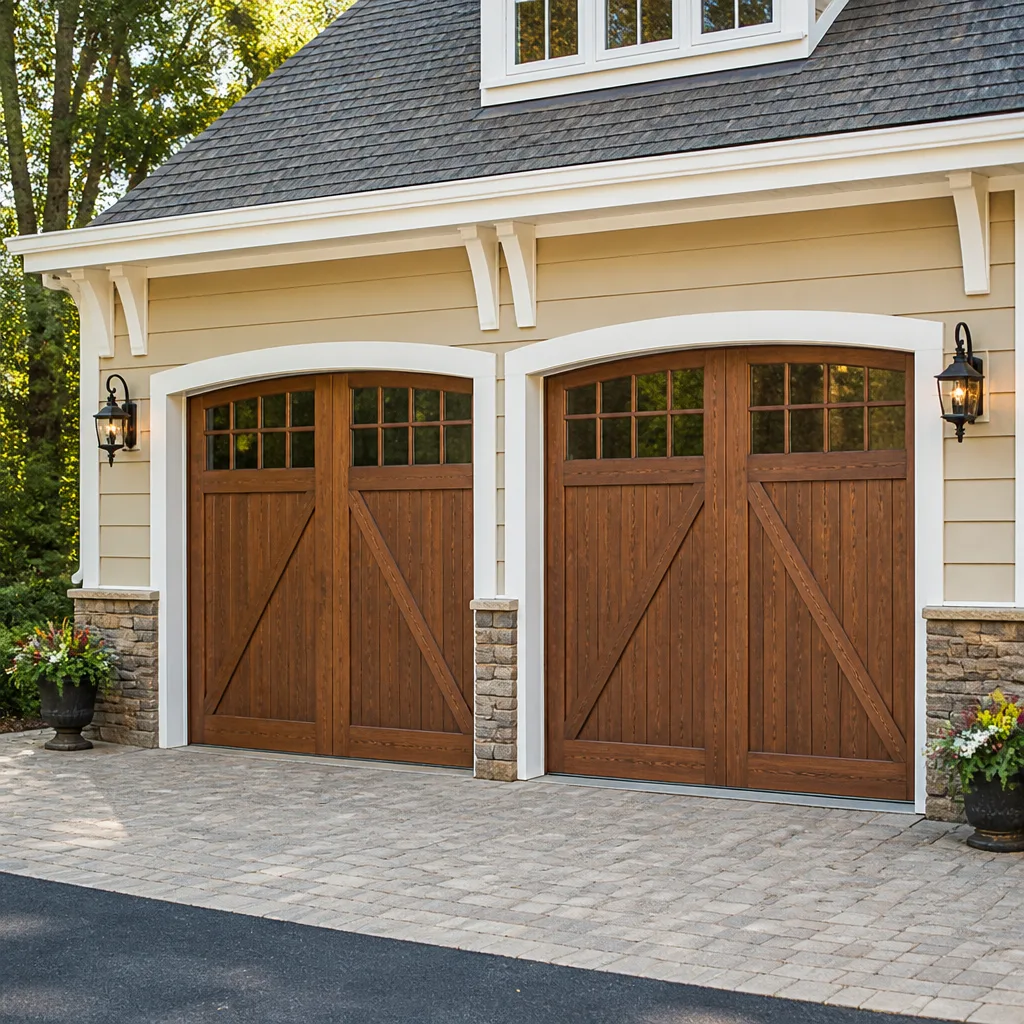 Carriage house
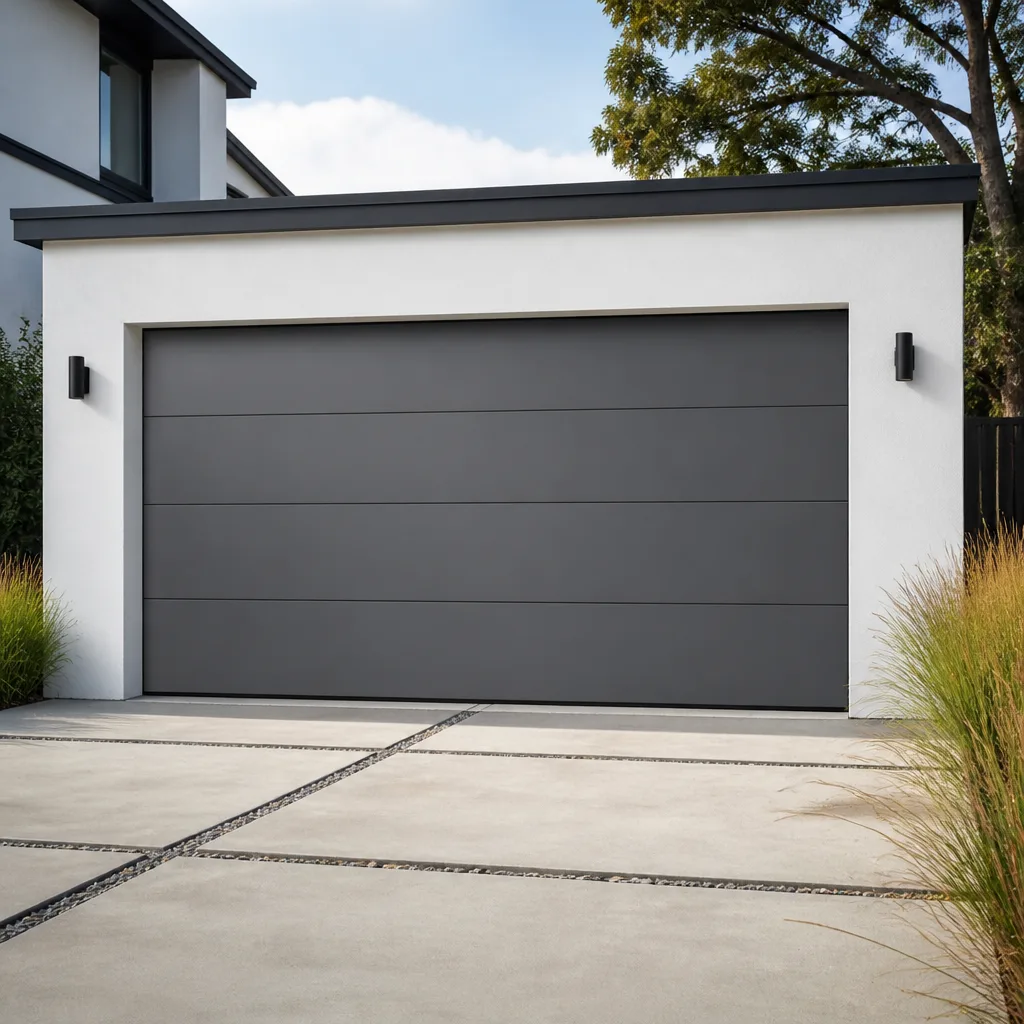 Modern flush
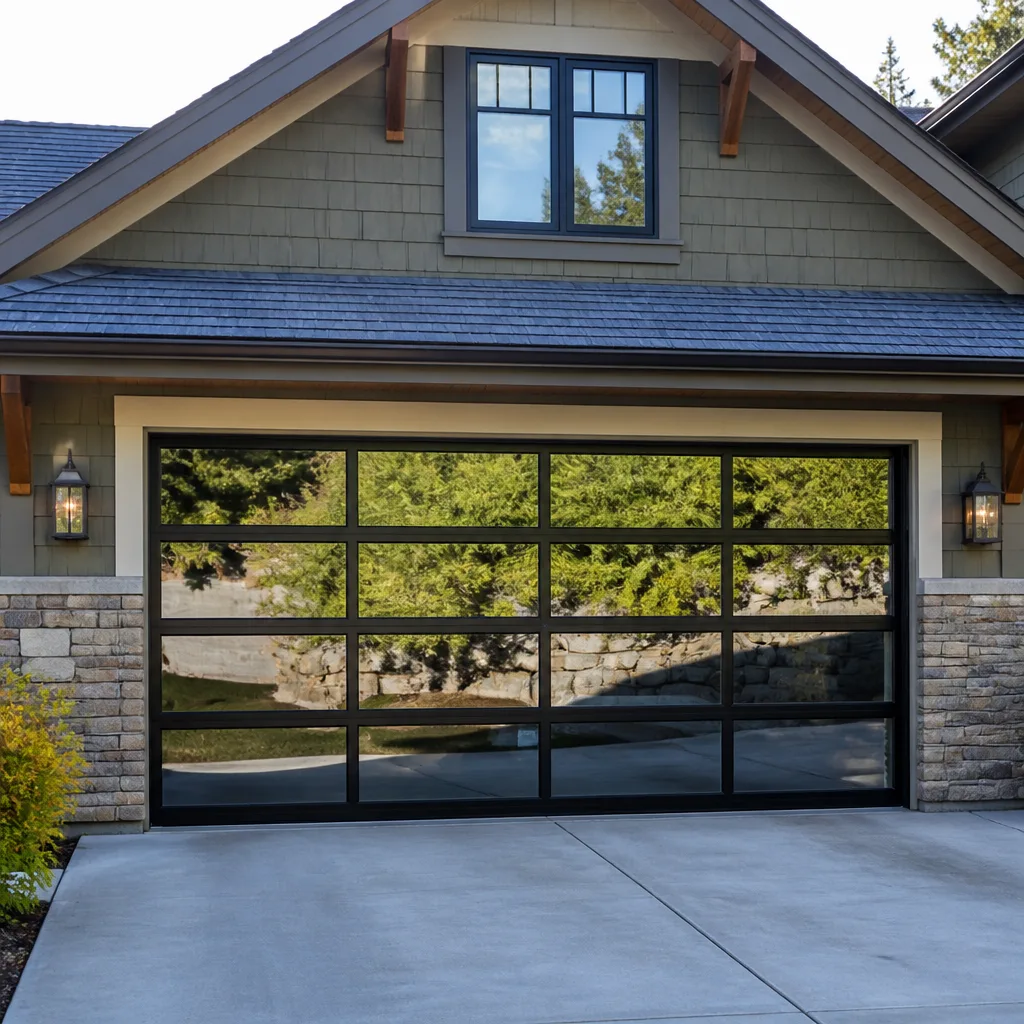 Full-view glass
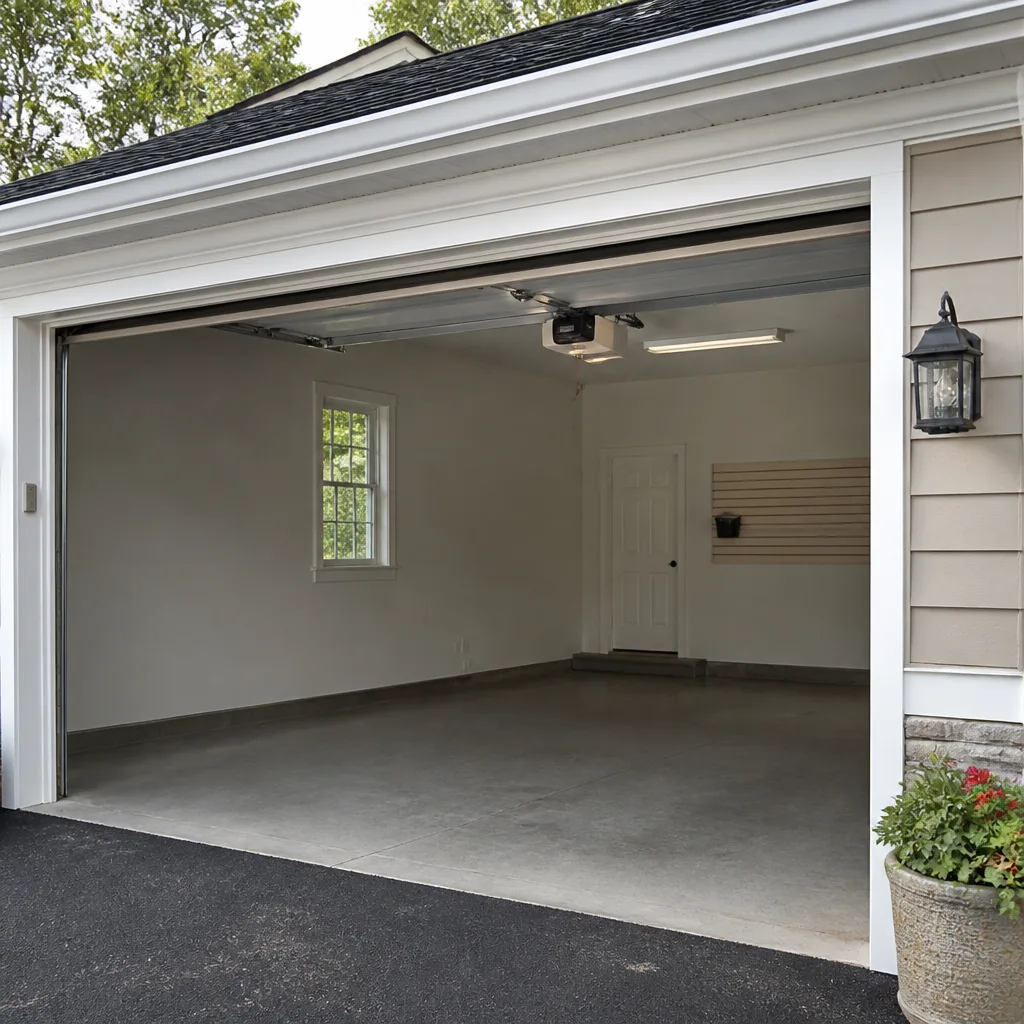 LiftMaster openers
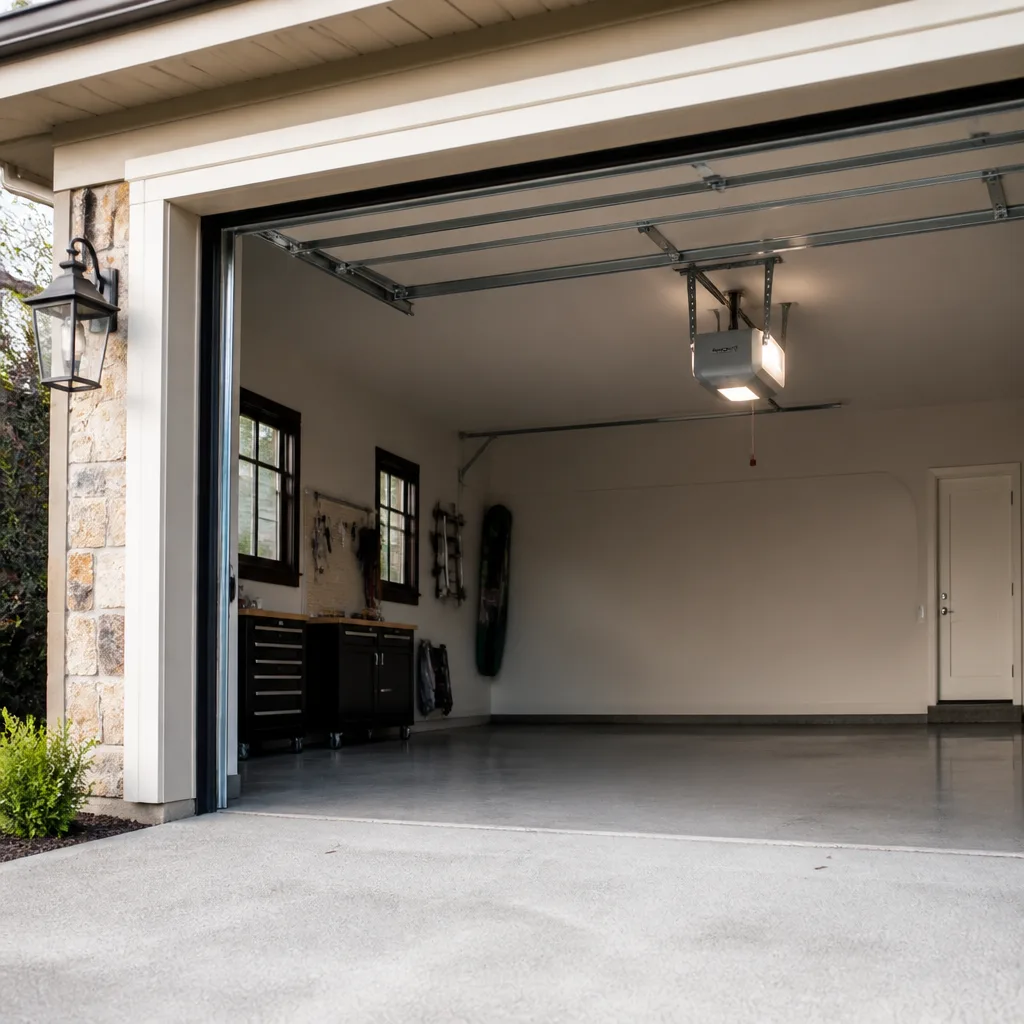 Chamberlain openers
Full 25-point door and opener safety check with every visit - springs, cables, rollers, tracks, and your LiftMaster or Chamberlain opener included
You get a price before we start. It does not change when the pro arrives.
Get your free estimateSeasonal Garage Door Care for Manchester: Year-Round Homeowner’s Guide
The worst time to find out your bottom seal has cracked is the morning of the first hard freeze, when the door is stuck to the floor and the rubber has already gone brittle. That seal was giving you hints back in September, when replacing it was a simple, inexpensive job. Seasonal care is mostly about catching October problems in September. Manchester sits in a stretch of Connecticut where the seasons don’t blur together the way they do in milder parts of the country. We get a real frost, a real thaw, a real stretch of humid summer, and every one of those transitions asks something different of your garage door. This guide walks through what to do at each turn of the year, and what to leave alone.
Quick Answer
Seasonal garage door care in Manchester means preparing in fall before the first frost, protecting the door from freeze damage in winter, inspecting for winter wear in spring, and addressing humidity and moving parts in summer. The tasks that matter most are lubricating moving parts, testing the balance and safety reverse, clearing the bottom seal and tracks, and knowing when a spring or cable is beyond a homeowner’s reach. Timing each task to Connecticut’s actual seasons is what keeps a door working and keeps small problems from turning into emergency calls.
Styles & brands we work with
- Raised-panel steel
- Carriage house
- Modern flush
- Full-view glass
- LiftMaster openers
- Chamberlain openers
Table of Contents
- Fall Prep: Beating Connecticut’s First Frost
- Winter: Frozen Doors, Cold Springs, and What Not to Do
- Spring: Assessing What Winter Did to Your Door
- Summer: Humidity, Wood Doors, and Hardware Checks
- Manchester’s Seasonal Task Calendar
- Where Seasonal Care Ends and Professional Work Begins
- Common Mistakes to Avoid
- Frequently Asked Questions
Fall Prep: Beating Connecticut’s First Frost
Fall is the most important season for garage door care in Manchester, and it’s the one homeowners skip most often. The goal is to get the door through winter without a freeze-related failure. Frost in this part of Connecticut typically arrives in late October or early November, and the first hard freeze follows within a few weeks. Anything you do in September and early October pays off in January.
Start with the bottom seal. This is the single rubber strip that keeps cold air, water, and small pests out of the garage, and it’s the first thing to fail when temperatures drop. Run your hand along it and look for cracks, flat spots, and gaps where it no longer meets the floor. A seal that’s already stiff or split in October will let meltwater seep under the door in winter and freeze the door to the slab.
Next, lubricate every moving part while it’s still warm enough to work comfortably. Use a garage-door-specific lubricant, not general household oil. Apply it to:
- The hinges at each hinge point
- The rollers and their stems
- The torsion spring coils (a light coat, not a soak)
- The bearing plates at the ends of the torsion bar
- The opener’s rail and chain or belt, following the opener manual
Then clear the tracks. A leaf blower or a shop vacuum pulls out grit, acorns, and the small debris that collects over summer. Test the door’s balance by disconnecting the opener and lifting the door halfway by hand; it should stay put. Test the safety reverse by placing a piece of wood in the door’s path and confirming the door reverses on contact. If anything drags, sticks, or fails, that’s the moment to schedule garage door repair rather than waiting for a cold-weather breakdown.
Winter: Frozen Doors, Cold Springs, and What Not to Do
Winter is when garage doors in Manchester fail most often, and the two failures that cause the most trouble are a door frozen to the floor and a spring that snaps in cold weather. Both have clear warning signs, and both have a right and a wrong response.
A door frozen to the ground is almost always a drainage or seal problem, not a door problem. Meltwater runs under the bottom seal, pools on the slab, and refreezes overnight. If you find the door stuck, don’t force the opener. Don’t yank the manual release and try to lift it. Forcing a frozen door can strip the opener’s gears, bend the bottom section, or cause the door to come down unevenly when it releases. Instead:
- Clear snow and ice from the outside of the door and the apron.
- Break the seal gently with a plastic scraper or a soft-bristled broom along the bottom edge.
- If ice has built up under the door, apply a garage-safe de-icer to the threshold, not rock salt, which corrodes metal tracks and hinges.
- Once the door is free, open it a few inches and check the bottom seal for damage.
- Address the drainage or seal after the thaw so it doesn’t repeat.
Cold-weather spring failure is different, and it deserves real caution. Torsion and extension springs are under extreme tension at all times. Cold makes the steel more brittle, and a spring that was already fatigued can let go on the coldest morning of the year. That’s exactly when people call us. If you hear a loud bang from the garage and the door won’t lift, the spring has likely broken. Do not try to open the door, do not try to replace the spring yourself, and do not let anyone untrained near the torsion bar. This is high-tension hardware, and the injury risk is real. Call for professional garage door spring repair, and treat the door as unusable until it’s fixed.
A quieter winter task: keep the photo-eye sensors clean. Road salt spray and condensation on the lenses are a common cause of a door that won’t close in January, and a quick wipe often solves it. If the sensors are clean and the door still won’t close, that’s an opener issue, and garage door opener repair is the right call.
Spring: Assessing What Winter Did to Your Door
Spring in Manchester is an inspection season, not a repair season, and the point is to find what winter broke before summer heat and humidity make it worse. The thaw exposes damage that was hidden by cold and snow. Do this walk-around in April, once the ground has dried out.
Start with the tracks. Winter ice, road grit, and the freeze-thaw cycle can knock a track slightly out of alignment. Look down the length of each vertical and horizontal track from floor level; both should be straight and parallel. A dented or bowed track will make the door bind, and binding puts extra strain on the opener and springs. Small alignment issues are fixable; badly bent tracks usually need replacement.
Then check the weatherstripping. The bottom seal, the side seals, and the top seal all take a beating from ice, snow, and repeated freeze-thaw. Look for cracking, compression where the seal no longer springs back, and gaps at the corners. Replacing weatherstripping in spring is cheap and prevents the summer humidity and winter cold problems that bad seals create.
Inspect the hardware for rust and looseness. Winter road salt spray and condensation are the main culprits. Check:
- Hinges for rust at the pivot points
- Rollers for flat spots or wobble
- Cables for fraying, kinks, or slack on one side
- Bolts and nuts on the hinges and brackets for looseness
- The torsion bar and spring coils for visible rust or sagging
Finally, re-test the balance and the safety reverse. If the door is heavier than it was in fall or the opener is working harder, the springs have lost tension over winter. That’s a spring adjustment or replacement, not a homeowner fix. If you notice a cable that looks frayed or has slipped off a drum, stop using the door. Cables are high-tension components and belong to a trained technician.
Summer: Humidity, Wood Doors, and Hardware Checks
Summer in Manchester brings a different set of problems, mostly tied to humidity and heat. Wood doors are the most affected. A solid wood or wood-composite door absorbs moisture in humid weather and swells; when the air dries out, it shrinks. That cycle, repeated over years, is what causes panels to crack, joints to open, and the door’s finish to fail.
If you have a wood door, summer is the time to inspect the finish. Look for peeling paint, bare spots, and any place where water could get into the wood grain. A fresh coat of exterior-grade finish before the fall rains protects the door for the next winter. Check the bottom edge of the door specifically, since that’s where moisture collects. If the bottom section is soft or spongy, the wood has rotted and the section needs replacement.
For steel and aluminum doors, summer is the best time to inspect cables and rollers, for two reasons. First, the weather is comfortable to work in. Second, the winter has had months to reveal wear, and the summer heat gives you time to schedule any repair before cold weather returns. Rollers that have gone flat or stiff should be replaced; they’re inexpensive and are one of the most common causes of a noisy or jumpy door. Cables that show any fraying, kinking, or uneven tension should be replaced by a professional. Insulated doors with a steel skin also benefit from a check of the seams, since humidity can find its way into small gaps.
One more summer task: clean and lubricate again. The heat dries out lubricant faster than you’d expect, and a mid-summer application keeps everything moving smoothly through fall. If you have a wood door from a brand like Amarr, check the manufacturer’s care guidance for the specific finish on your model. If your opener is a Wi-Fi-enabled unit from a brand like Chamberlain or LiftMaster, mid-summer is also a good moment to test the app controls and the safety reverse together.
Manchester’s Seasonal Task Calendar
This calendar is built around Manchester’s actual weather patterns, not a generic cold-climate template. The dates are approximate, but the order and the logic hold year after year.
Late August to Mid-September: Pre-Season Check
- Inspect the bottom seal for cracks, stiffness, and gaps.
- Lubricate all moving parts including hinges, rollers, springs, and the opener rail.
- Test the balance and safety reverse.
- Clear the tracks and clean the photo-eye sensors.
Early October: Frost Prep
- Replace any bottom seal or weatherstripping that showed wear.
- Confirm the door closes evenly and meets the floor with a good seal.
- Check exterior drainage so meltwater doesn’t pool under the door.
November through March: Winter Watch
- Keep the door’s bottom edge free of snow and ice.
- Wipe the photo-eye sensors monthly.
- Watch for the warning signs of a failing spring: a loud bang, a door that won’t lift, or an opener that strains.
- Never force a frozen door and never touch a torsion spring.
April: Post-Winter Inspection
- Check track alignment.
- Inspect weatherstripping and cables.
- Re-test the balance and safety reverse.
- Look for rust and loose hardware.
June through August: Summer Check and Wood Door Care
- Inspect the wood finish on solid wood doors.
- Replace flat or worn rollers.
- Re-lubricate moving parts.
- Have any frayed cables or worn rollers addressed before fall.
Written down, this is a handful of small tasks a year. Left undone, each one has the potential to turn into a call on the coldest morning of January or the hottest week of July. That’s the whole case for seasonal care in Manchester.
Where Seasonal Care Ends and Professional Work Begins
There’s a line between what a homeowner can safely do and what belongs to a trained technician, and knowing where that line sits is one of the most useful things in this guide. On the homeowner side: lubricating moving parts, cleaning tracks and sensors, inspecting seals and tracks visually, testing the balance and safety reverse, replacing a bottom seal or weatherstripping, and checking the wood finish on a wood door. These tasks are safe and can be done with basic tools.
On the professional side: anything involving the torsion spring, extension springs, cables, drums, and the torsion bar. These components are under extreme tension, and a mistake can cause serious injury in a fraction of a second. That’s true on a warm day and much more true in cold weather when metal is brittle. A door with a broken or weakened spring should be treated as unsafe to use until it’s repaired. That includes keeping people and vehicles out from under the door. Similarly, opener repairs that involve the motor, the logic board, or the limit switches are best handled by a technician, since a misadjusted limit switch can cause the door to close on something or someone.
The other boundary is the panel or structural damage. A bent track, a cracked panel, a sagging section, or a bottom section that’s begun to rot on a wood door aren’t cosmetic issues. They affect how the door balances and how the opener loads the springs. If you find any of these during a seasonal inspection, get an assessment. Catching structural issues in spring or fall is always cheaper and safer than pushing them into winter or summer when they fail under load.
Common Mistakes to Avoid
- Ignoring the bottom seal in fall. A cracked seal is the number one cause of doors freezing to the floor in a Connecticut winter. September is the month to catch it, not November.
- Forcing a frozen door with the opener. This is the fastest way to strip the opener’s gears or bend the bottom section. Free it by hand, gently, with the opener disconnected.
- Using rock salt near the threshold. Rock salt corrodes metal tracks, hinges, and springs, and it ends up under the door. Use a garage-safe de-icer or plain sand instead.
- Replacing torsion springs yourself. Torsion spring replacement is the riskiest garage door repair there is, and there’s no safe DIY version. Cold weather makes it more dangerous, not less.
- Skipping the fall balance test. A door that won’t stay up when disconnected is being carried by the opener, which shortens the opener’s life and strains the springs. Balance is a spring adjustment, not a homeowner fix.
- Leaving a wood door’s finish unfinished. In Manchester’s humid summers, a bare spot on a wood door invites moisture into the grain and starts the rot cycle. Touch it up before the fall rains.
- Waiting until a door fails to schedule a service. A worn roller or a fraying cable found in spring is a small, predictable repair. The same problem found in January is an emergency.
See the difference
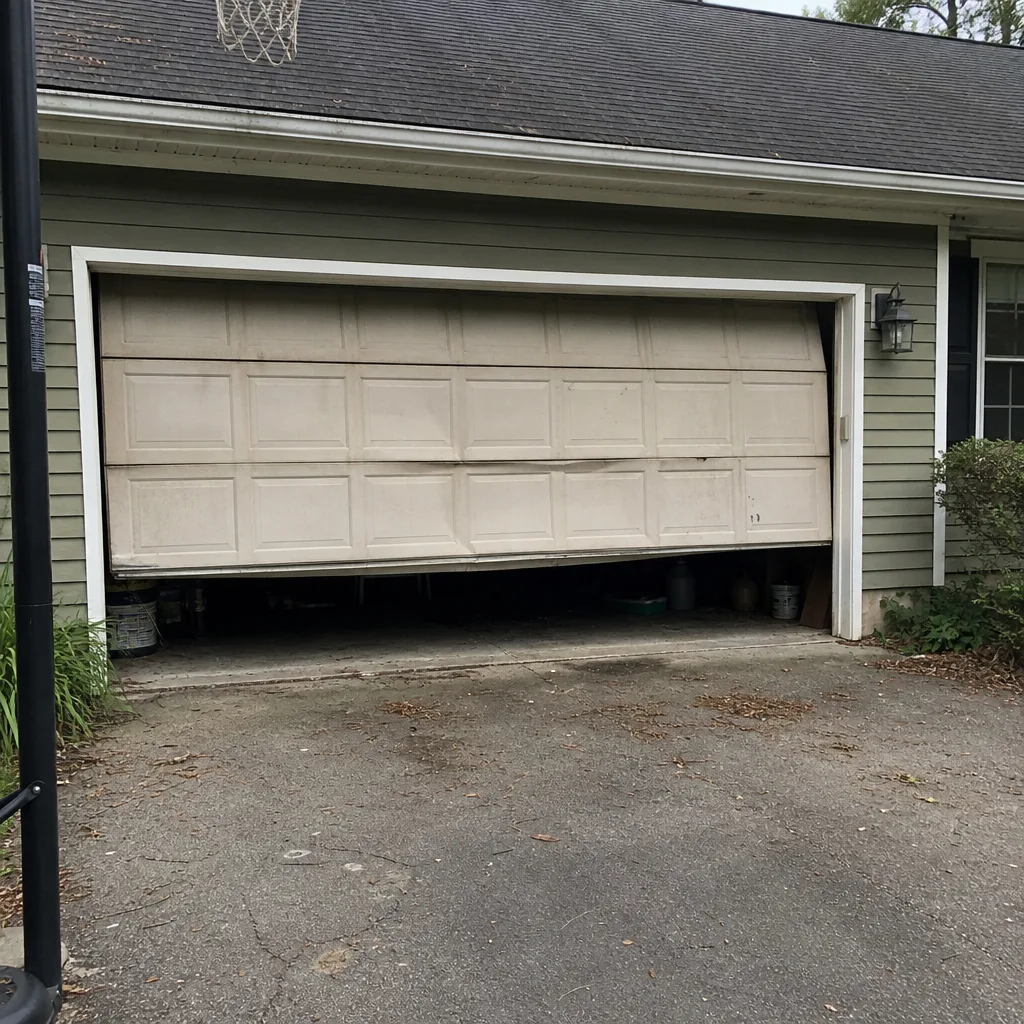 Before
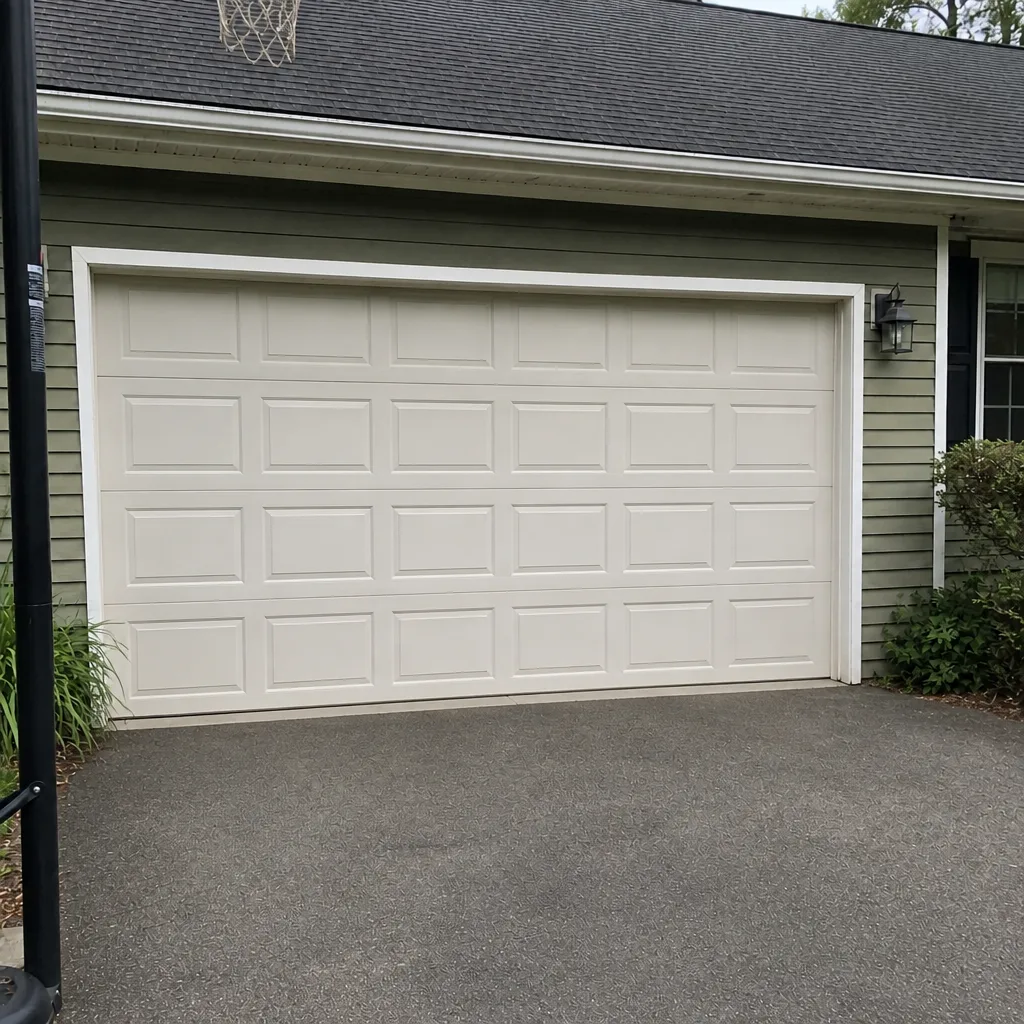 After
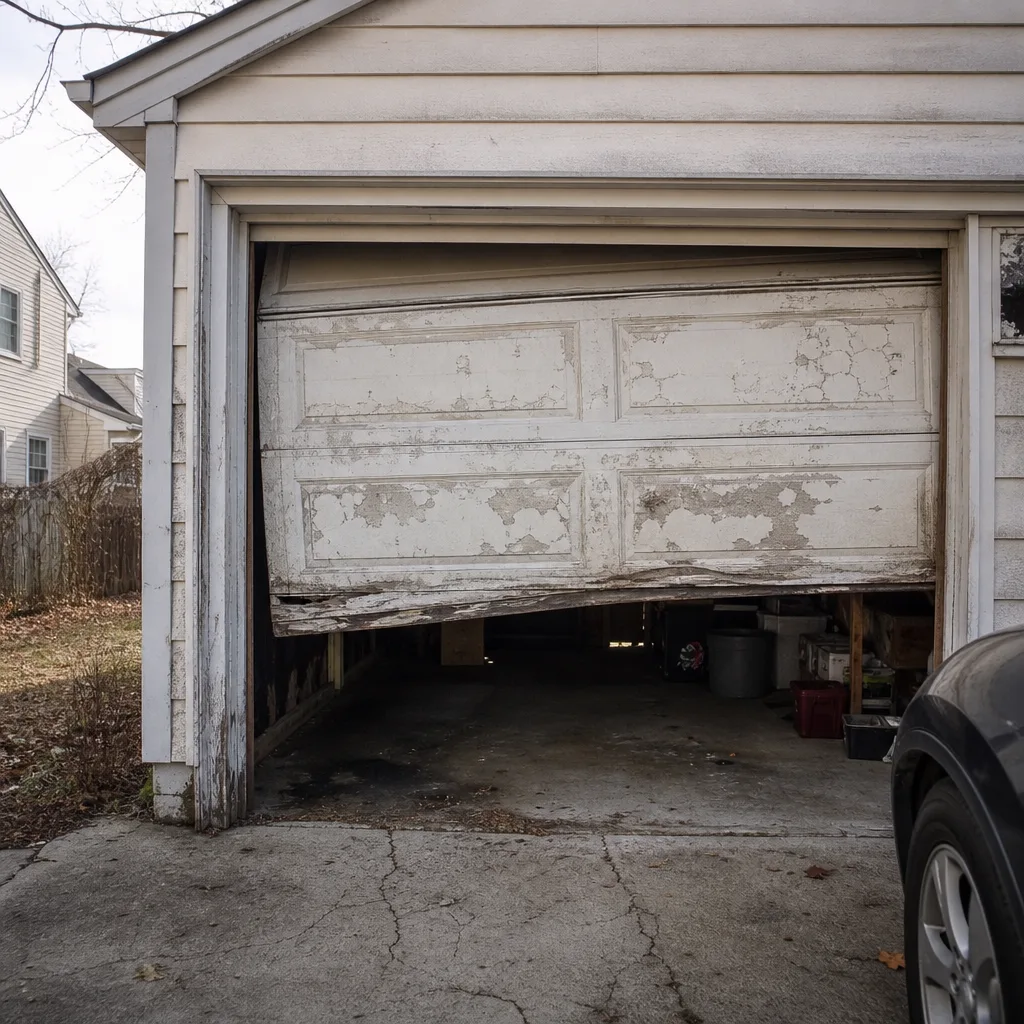 Before
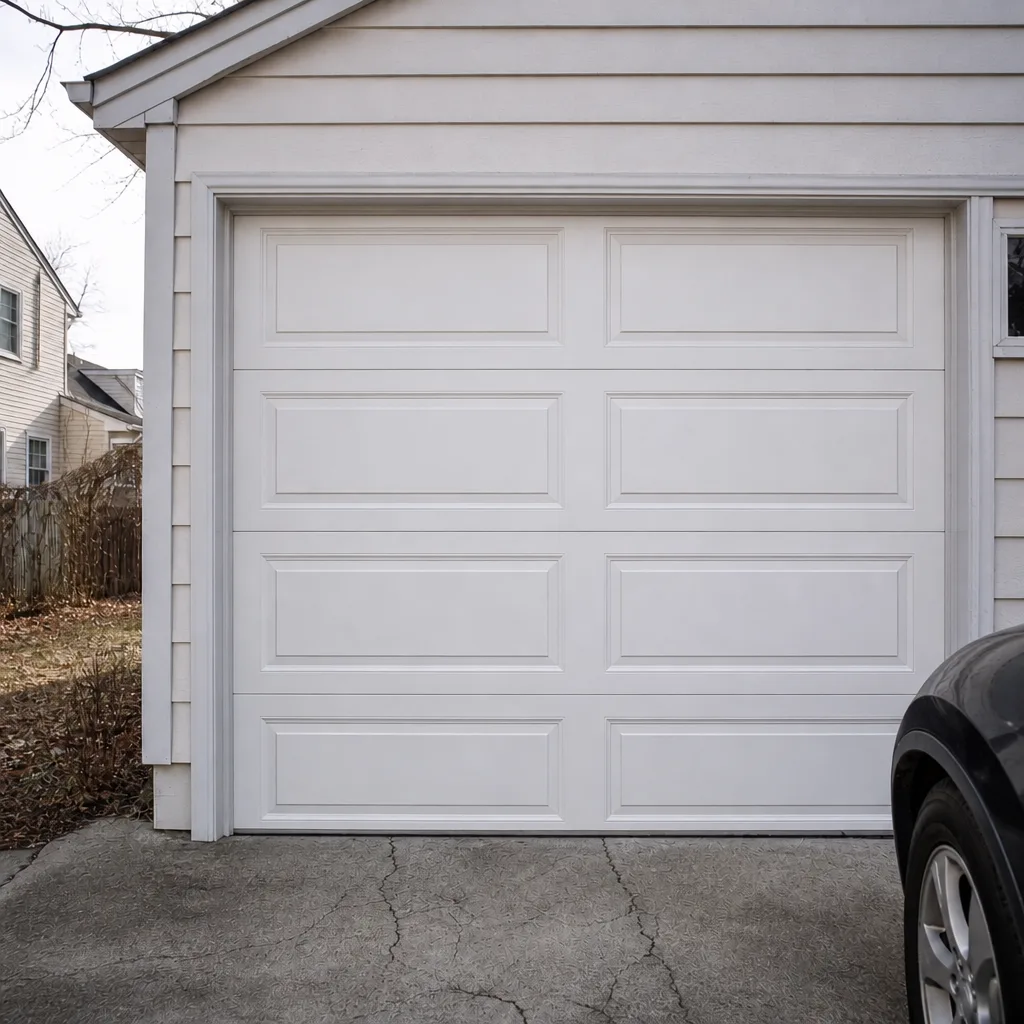 After
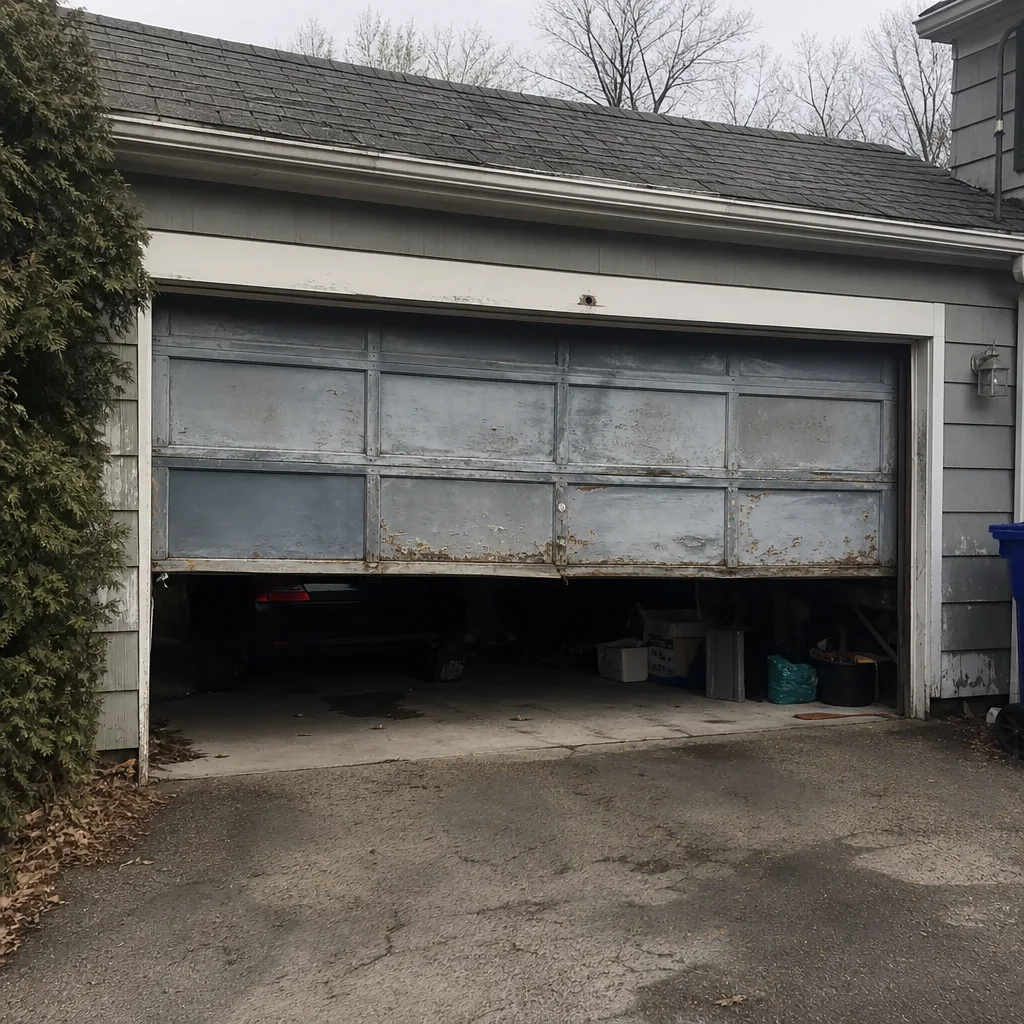 Before
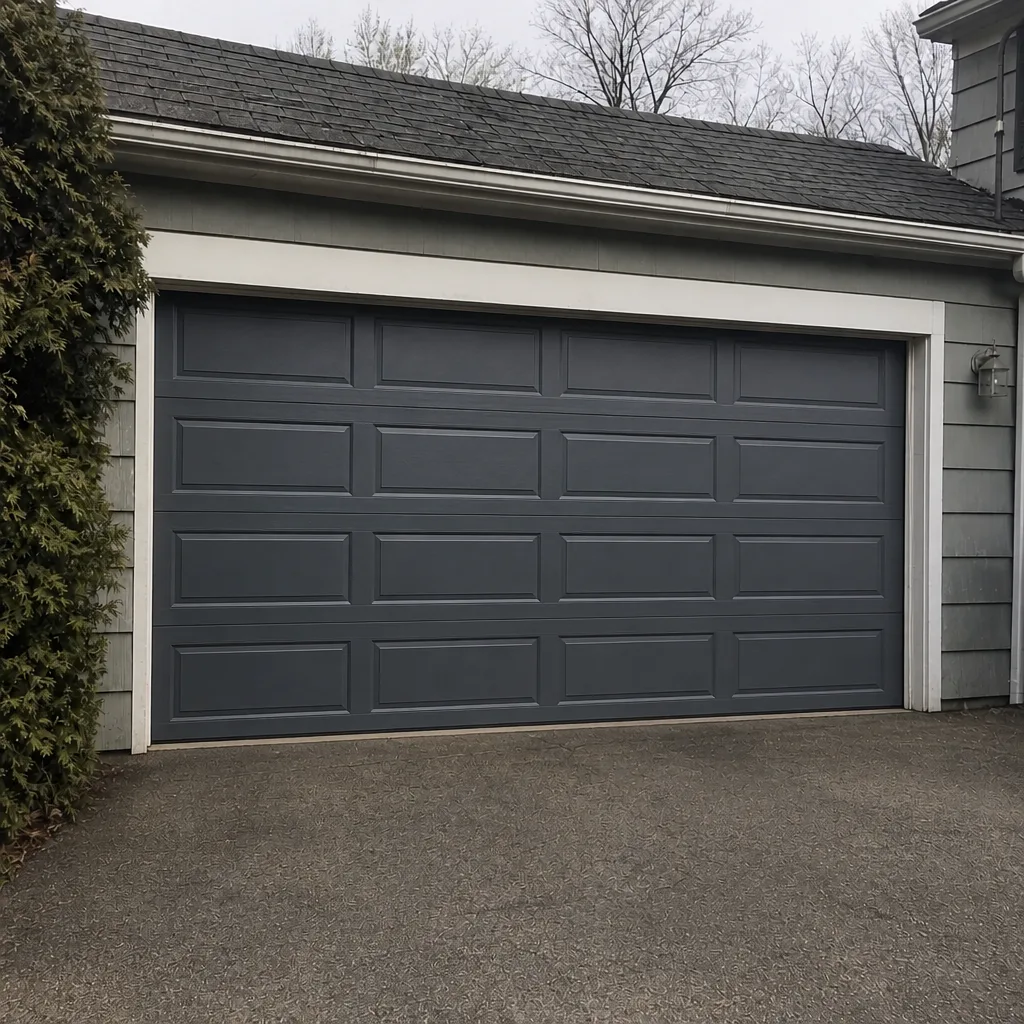 After
When to Call a Professional
Call a professional when the door won’t lift, when a spring has broken, when a cable is frayed, kinked, or off its drum, when a track is bent or out of alignment, or when the opener runs but the door doesn’t move. Those are the failure modes with real safety stakes, and they’re exactly the cases where a trained technician makes a difference. A seasonal inspection that turns up any of the above is your cue. We handle all of it through Manchester Garage Door Repair Co, and we work on the brands already in your garage, from Amarr and Wayne Dalton to Craftsman and Raynor. Our technicians have up to 9 years of experience with springs, openers, and door hardware. Manchester Garage Door Repair Co offers free estimates in Manchester: call (888) 315-6660.
Frequently Asked Questions
Once in fall and once in spring is the right rhythm for most Manchester homes, with a quick summer check for wood doors and a winter watch for freeze issues. Two thorough inspections a year catch most problems before they become emergencies. Call (888) 315-6660 for an exact quote if you’d rather have a professional do the inspection.
Don’t force the opener, and don’t yank the door by hand. Clear the snow and ice from the outside of the door, break the seal gently with a plastic scraper, and use a garage-safe de-icer on the threshold rather than rock salt. Once the door is free, check the bottom seal; if it’s torn or stiff, replace it so it doesn’t happen again. Call (888) 315-6660 if the door still won’t move after it’s freed.
Cold makes the steel in a spring more brittle, and a spring that has already lost some strength can fail on the coldest morning of the year. If you hear a loud bang in the garage and the door won’t lift, the spring has likely snapped. Keep everyone away from the door and call for professional spring repair; don’t attempt to replace it yourself. Call (888) 315-6660 and we’ll get a technician out.
Yes, and it’s more about small updates than the door’s age. Even a newer door benefits from twice-yearly lubrication, balance testing, seal inspection, and sensor cleaning. Those tasks are what protect the springs and opener, which are the expensive parts to replace. Call (888) 315-6660 for a free estimate on any repair you find.
The most reliable signs are a door that feels very heavy when you lift it by hand, an opener that seems to struggle, a door that won’t stay open on its own, and visible gaps in the spring coils. A loud bang followed by a door that won’t lift means a spring has already broken. In either case, stop using the door and call for spring repair. Call (888) 315-6660 for an exact quote; estimates are free.
Fall, ideally in September or early October, before the first frost arrives in this part of Connecticut. A fall inspection catches the seal and balance issues that lead to winter freeze problems. A spring inspection catches winter wear before summer heat makes it worse. Call (888) 315-6660 to schedule a free estimate.
The Bottom Line
Seasonal care is a handful of small tasks spread across the year, timed to Manchester’s real weather. Fall gets the door ready for frost with seal and balance checks. Winter is about protecting the door from freeze damage and knowing when a spring or cable is beyond a homeowner’s reach. Spring is the inspection season, when thawed tracks and worn seals become visible. Summer is the time for humidity and hardware checks, especially on wood doors. Get the timing right and you’re solving tomorrow’s problem today instead of reacting to a broken door in the cold. Call us for help at any stage: (888) 315-6660. We answer 24/7. Fast dispatch from 7am to 7pm, Sunday through Friday, and we’re closed Saturday. The estimate is free, and the price is quoted and agreed before any work starts.
Written by the team at Manchester Garage Door Repair Co.