
Last updated November 21, 2026
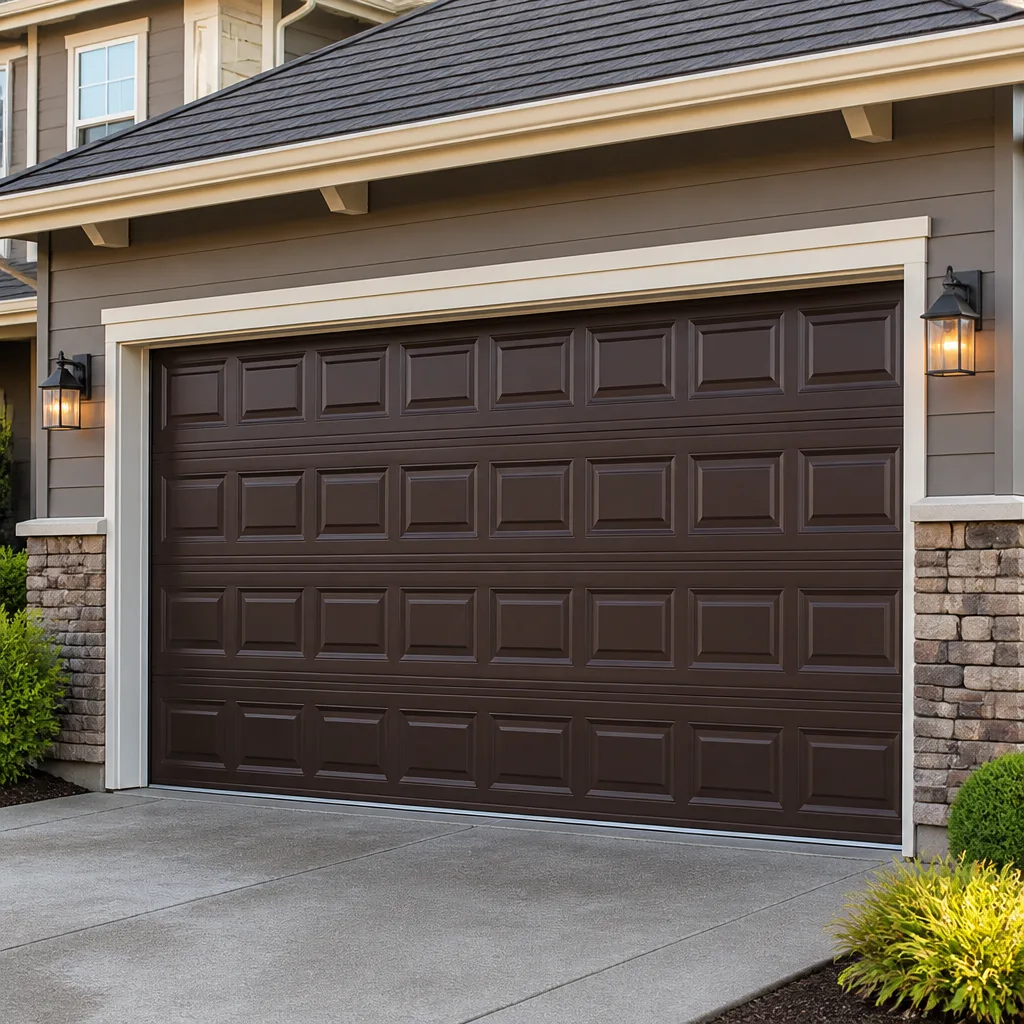 Raised-panel steel
 Carriage house
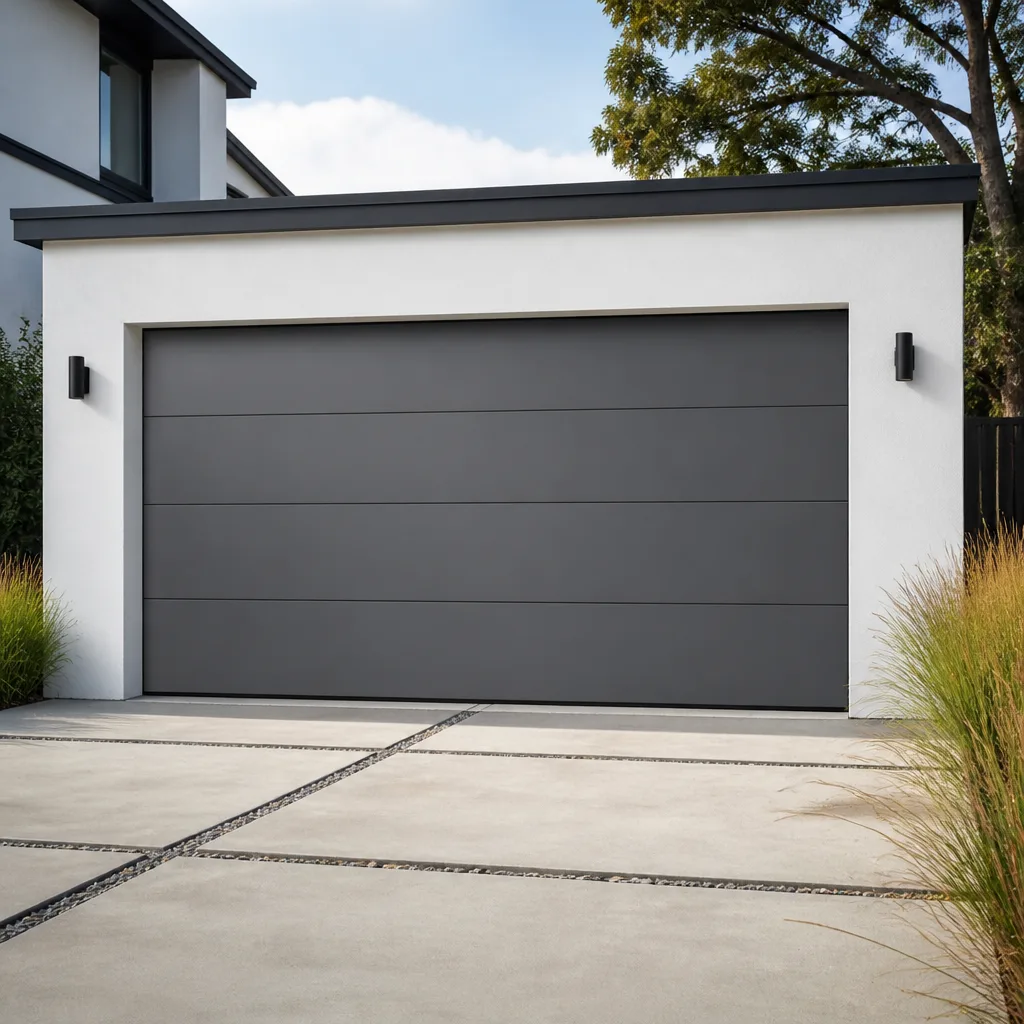 Modern flush
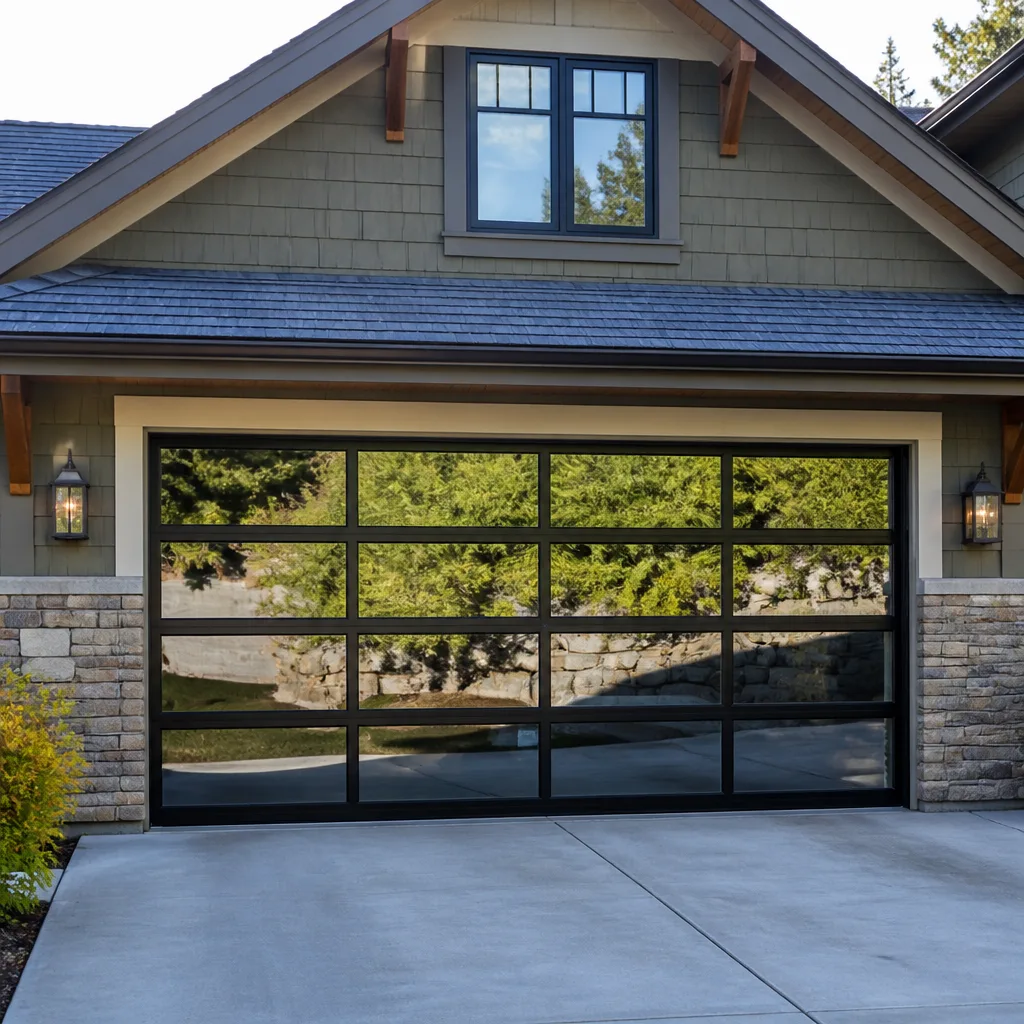 Full-view glass
 LiftMaster openers
 Chamberlain openers
Full 25-point door and opener safety check with every visit - springs, cables, rollers, tracks, and your LiftMaster or Chamberlain opener included
You get a price before we start. It does not change when the pro arrives.
Get your free estimateGarage Door Repair Maintenance Checklist for Manchester Homeowners
The one item skipped on nearly every DIY garage door checklist is also the one most likely to cost you a spring in a Connecticut winter: lubricating the torsion spring anchor plate. It takes about 30 seconds with a rag and the right grease, and almost nobody does it. That small plate collects grit and moisture, the spring coils grind against it, and a torsion spring that should last years starts to fatigue early. In our experience across Manchester service calls, the difference between a door that quietly reaches old age and one that snaps a spring in January is rarely dramatic. It’s a handful of small habits done on a schedule. This guide walks through what actually breaks first in Manchester’s climate, which tasks are safe to do yourself, and which ones to hand to a technician.
Quick Answer
A garage door maintenance checklist for Manchester should cover four things: monthly lubrication of moving metal parts (springs, hinges, rollers, the anchor plate), seasonal testing of the auto-reverse and force settings before winter and again in spring, an annual balance and hardware inspection, and a visual check of cables, drums, and spring coils every few months. Homeowners can safely handle lubrication, testing, and visual inspection. Spring, cable, and torsion work belongs with a trained technician.
Styles & brands we work with
- Raised-panel steel
- Carriage house
- Modern flush
- Full-view glass
- LiftMaster openers
- Chamberlain openers
Table of Contents
- Why Manchester Doors Wear Differently Than the Manual Says
- Monthly Checklist: What to Lubricate and Check
- Which Lubricants Hold Up in Connecticut Temperature Swings
- How to Test Auto-Reverse and Force Settings Correctly
- Seasonal Checklist: Fall Prep and Spring Recovery
- Annual Inspection: The 20-Minute Walkthrough
- Visual Inspection Points That Flag Problems Months Early
- Which Tasks Are Safe for Homeowners and Which Need a Technician
Why Manchester Doors Wear Differently Than the Manual Says
Manufacturer maintenance guides are written for a country that doesn’t exist. They assume a stable climate, a door that gets used a few times a day, and hardware that never sees road salt, humidity swings, or a wet spring followed by a dry summer. Manchester sits in a climate with all four seasons working on your garage door: humid summers that swell wooden panels and rust bare metal, cold winters that stiffen grease and shrink seals, and freeze-thaw cycles that work hinges loose one turn at a time.
The daily-use pattern matters as much as the weather. If your garage door is the main entry to your house, it opens and closes a dozen times a day, maybe more. Over a year that adds up to thousands of cycles on the springs, rollers, and opener. A door in a quiet neighborhood off Main Street that’s only used for the car has a slower wear curve. Same hardware, very different wear.
Here’s what we see break first on Manchester doors, roughly in order:
- Torsion springs – they carry the full weight of the door and take the most cycle fatigue. Cold weather is when the metal gets most brittle.
- Rollers – nylon rollers crack at the hub; steel rollers flat-spot and get noisy.
- Hinges – the grease dries out, then the metal grinds against the pin.
- Cables – they fray at the drum and stretch over time, throwing the door out of balance.
- Weather seals and bottom rubber – they harden in the cold, tear, and let water in.
- Opener drive gears and logic boards – the last two on a well-maintained door, first on a neglected one.
The point of a checklist isn’t to catch everything. It’s to catch the top four before they cascade into the last two. A worn roller takes months to become a problem. A spring that’s been grinding against a dry anchor plate can fail without warning on a cold morning. That’s the difference a schedule makes.
Monthly Checklist: What to Lubricate and Check
The monthly tasks take about 15 minutes and cover the moving metal parts that fail silently. You don’t need tools beyond a rag, a spray lubricant, and a flashlight.
- Lubricate the torsion spring (or springs) and the anchor plate. This is the big one. Spray a white lithium grease or a silicone-based lubricant along the full coil, then wipe a thin film onto the anchor plate where the spring seats. Do this on extension springs too, coating the coil and the pulleys.
- Grease the hinges. A drop of lithium grease on each hinge pin, at every hinge along the door. Work the door a few times after so the grease distributes.
- Check the rollers. Spray a small amount of lubricant on the roller stems (the shaft, not the wheel itself). Spin each roller by hand. If it wobbles, cracks, or feels gritty, it’s due for replacement.
- Wipe the tracks with a dry rag. No lubricant in the tracks. Grease attracts grit and makes the door drag. Metal tracks should be clean and dry.
- Test the balance. Close the door, pull the opener release cord to disconnect it, then lift the door halfway by hand. It should stay put. If it drifts down, springs are losing tension.
- Look at the bottom seal. Run a hand along the rubber weather strip. If it’s cracked, torn, or stiff as a board, it’s letting cold air and water in.
Do this on the first of every month and you’ll catch most hardware problems early. We’ve seen doors that hadn’t been lubricated in years that still worked, but the springs were living on borrowed time.
Which Lubricants Hold Up in Connecticut Temperature Swings
Not all garage door lubricant is equal, and the wrong product can make things worse. The test is simple: does it stay slippery when the metal is 15 degrees in February and not attract grit when the door is 90 degrees in July?
What works in Manchester’s climate:
- White lithium grease – the standard for springs, hinges, and bearing plates. Holds up in cold, resists washout, stays where you put it.
- Silicone-based spray lubricant – good for rollers, stems, and weather seals. Won’t gum up in cold and doesn’t attract dust the way oil does.
- Lithium complex grease – better than plain white lithium for the spring anchor plate and any high-load pivot point. Slightly thicker, holds longer.
What to avoid:
- WD-40 (the standard formula) – it’s a penetrating oil and water displacer, not a lubricant. It works short-term and then evaporates, leaving metal dry. It also attracts grit.
- Motor oil or cooking oil – creeps off the target, attracts dirt, and turns into a sticky mess by summer.
- Graphite powder – fine for locks, bad for rollers and hinges. It migrates, stains, and doesn’t stay put under load.
- Any aerosol marked “all-purpose” – if it doesn’t say lithium or silicone, it’s probably not right for garage hardware.
The other thing to remember: less is more. A thin film of the right product beats a heavy coat of the wrong one. Excess grease drips onto the floor, collects grit, and does nothing for the metal underneath.
How to Test Auto-Reverse and Force Settings Correctly
Most homeowners test the auto-reverse once, watch the door go back up, and call it done. The problem is the test itself is usually wrong. The auto-reverse system uses two mechanisms: a mechanical pressure sensor (the door reverses when it meets resistance) and a photoelectric safety eye system (the door reverses when the beam between the two sensors at the bottom is broken). Both need to be tested separately, and most people only check one.
- Test the photo-eye system. Close the door. With the door open, wave a broomstick or a piece of cardboard across the path of the safety eyes, about six inches off the ground. The door should reverse immediately. If it doesn’t, the eyes are misaligned, dirty, or the wiring is loose.
- Test the mechanical auto-reverse. Open the door, then close it. As it’s closing, lay a 2×4 flat on the floor in its path. When the door meets the board, it should reverse within an inch or two. If it presses hard before reversing, the force setting is too high.
- Check the force settings. Most openers have two adjustment dials or a digital menu: one for open force, one for close force. Turn the close force down a quarter turn and repeat the 2×4 test. If the door reverses easily without slamming, the setting is right. If it reverses on its own or stops mid-travel, it’s too low.
- Test the opener’s emergency release. Pull the red cord while the door is closed and verify the door lifts by hand. If it doesn’t disengage, the release is jammed and needs service.
Do this test twice a year: once in the fall before the first cold snap, and once in the spring after the winter. Cold weather stiffens the door, which can cause a door that passed the test in July to fail in January. On a LiftMaster or Chamberlain opener with a digital display, the force settings are usually in a setup menu, and the manual lists the exact steps. On a Genie or Craftsman unit, the dials are typically on the back of the motor housing.
Seasonal Checklist: Fall Prep and Spring Recovery
There are two seasonal checklists worth building into your year, and both are about protecting the door from the extremes of the Manchester climate. The fall checklist prepares the door for cold. The spring checklist undoes the winter’s damage and catches what it exposed.
Fall Checklist (Late September through October)
- Lubricate everything one more time. Cold weather is when dry metal fails fastest. Fresh grease on the springs, hinges, and anchor plate is the cheapest insurance you can buy.
- Test the auto-reverse twice. Once as described above, and once again after the first cold snap. Cold-stiffened doors need more force, which means a marginal setting can cross the line.
- Check the weather seal at the bottom. Cold air and melting snow get under a torn seal. If the rubber is cracked, replace it before winter.
- Inspect the door panels for cracks or dents. Wood panels swell and crack in cold. Steel panels can trap moisture behind the paint. Either way, a small crack gets bigger over winter.
- Check the opener’s battery backup if it has one. A dead backup battery is useless in a power outage during a storm.
- Look at the driveway apron. A settled driveway can make the door scrape on the way down. Seasonal adjustment is cheaper than replacing the bottom panel.
Spring Checklist (March through April)
- Do a full visual inspection. Winter is when springs fail and cables fray. Look at every spring coil for gaps or sagging, and every cable for kinks or broken strands.
- Re-test the balance. A door that was balanced in October may be out of balance in March. Springs lose tension over the cold months.
- Clean and re-lubricate the tracks and rollers. Road salt and grit work their way onto the door over winter. Wipe the tracks clean and re-lubricate the roller stems.
- Check the door’s alignment. If the door looks uneven at the bottom, or one side closes before the other, the cables need adjustment.
- Clear debris from the tracks. Leaves, twigs, and small stones collect in the track over winter. A shop vac or a dry rag clears it.
Annual Inspection: The 20-Minute Walkthrough
Once a year, spend 20 minutes going through the whole door end to end. This is where you catch the problems that the monthly and seasonal tasks don’t.
- Walk the perimeter of the door. Look at the gaps between the door and the frame. A door that doesn’t sit flush needs adjustment.
- Check the spring coils end to end. Any visible gap or light-colored line across a coil means the spring is breaking or already broken. Do not touch it, and do not try to lift the door by hand.
- Inspect the cables. Cables run from the bottom corners up to the drums above the door. Look for fraying, kinks, or loose strands. A frayed cable should be replaced before it snaps.
- Check the drums and bearing plates. The cable winds onto the drums at the top of the door. Look for wear or wobble at the bearing plates on the sides.
- Test the door’s balance. Disconnect the opener, lift the door halfway, and let go. It should hold. If it drifts, the springs need attention.
- Test the auto-reverse again. Both the photoelectric eyes and the mechanical reverse, as described above.
- Check the opener’s mounting. The rail and motor should be tight to the ceiling. A loose mount causes the door to shudder and the opener to work harder.
- Listen for unusual sounds. A properly maintained door makes a steady hum. Grinding, squealing, popping, or a loud bang mean something is wrong.
If everything checks out, you’re good for the year. If something looks off and you’re not sure, that’s the moment to call a technician, before a small issue becomes an emergency.
Visual Inspection Points That Flag Problems Months Early
The best maintenance is visual, and most warning signs show up months before the door actually fails. Here’s what to look for, and what each sign usually means.
- A gap or light-colored line across a torsion spring. The spring is breaking or already broken. This is a technician-only repair.
- Fraying, kinked, or loose cables. The cable is wearing or has already failed on one side. Dangerous to handle, easy for a technician to replace.
- The door drifts down when released halfway. Springs are losing tension, or the door is out of balance.
- A grinding or squealing sound when the door moves. Dry rollers, worn bearings, or a failing opener gear.
- The door shakes on the way up or down. Worn rollers, a bent track, or a loose hinge.
- Visible dents in the track. The door is scraping somewhere. Track repair is often simple if caught early.
- The door reverses on its own during a normal close. Force setting too low, or a safety eye that’s misaligned or dirty.
- The opener runs but the door doesn’t move. Broken spring, snapped cable, or a stripped opener gear.
- The opener’s light flashes instead of the door moving. The safety eyes are blocked or the opener needs a reset.
- Rust spots on the door, hinges, or springs. Moisture is getting in. A thin coat of lubricant stops it from spreading.
Any one of these is worth a look. Two or more together, and it’s time to schedule a service visit before something bigger fails.
Which Tasks Are Safe for Homeowners and Which Need a Technician
Not every task on this list belongs in a homeowner’s hands. Most lubrication and testing is safe. Anything involving the spring, cable, or torsion system is not. Here’s the split.
Safe for most homeowners:
- Lubricating springs, hinges, rollers, and the anchor plate
- Wiping down the tracks
- Replacing the bottom weather seal
- Testing the auto-reverse and force settings
- Replacing opener batteries and remotes
- Visual inspection of hardware, springs, and cables
- Cleaning the photo-eye lenses
Leave to a technician:
- Any work on torsion or extension springs
- Replacing cables, drums, or bearing plates
- Adjusting the door’s balance and tension
- Track realignment or replacement
- Opener gear, logic board, or circuit repairs
- Any door that’s stuck, won’t close, or won’t open
- Any visible damage to the spring or cable
The reason is simple. A torsion spring is under extreme tension even when the door is down. Touching it without the right tools and training is how people get seriously hurt. We treat spring work as one of the most technically demanding parts of the job, and we don’t recommend any homeowner attempt it. Our technicians have up to 9 years of experience with this exact equipment.
For the rest of the list, a homeowner with no prior experience can handle the monthly and seasonal tasks. If something feels off and you’re not sure whether it’s safe, call us before you touch it. A free estimate tells you whether you’re looking at a 10-minute fix or something that needs a professional.
Common Mistakes to Avoid
- Lubricating the tracks. Grease in the tracks collects grit and makes the door grind. Tracks should be dry and clean. The rollers get a small amount of lubricant on the stems only.
- Testing the auto-reverse only by waving at the safety eyes. That only checks the photoelectric system. You also need to lay a board in the door’s path and confirm the mechanical reverse. One test does not cover the other.
- Using WD-40 as a lubricant. It’s a penetrating oil, not a long-term lubricant. It evaporates and leaves metal dry within weeks. Use white lithium or silicone instead.
- Skipping the spring anchor plate. This is the 30-second task almost nobody does. Grit and moisture collect there, the spring grinds against it, and fatigue starts early. Wipe a thin film of grease on it every month.
- Assuming the door is fine because it still opens. A door can be opening on a nearly-broken spring for months before it actually snaps. Visual inspection catches it in time.
- Trying a spring or cable repair solo. This is the one mistake that can cause serious injury. Springs and cables are under extreme tension and need proper tools and training.
- Waiting until winter to test the auto-reverse. Cold weather makes doors stiff and settings marginal. Test in the fall so you’re not discovering a problem on the first freezing morning.
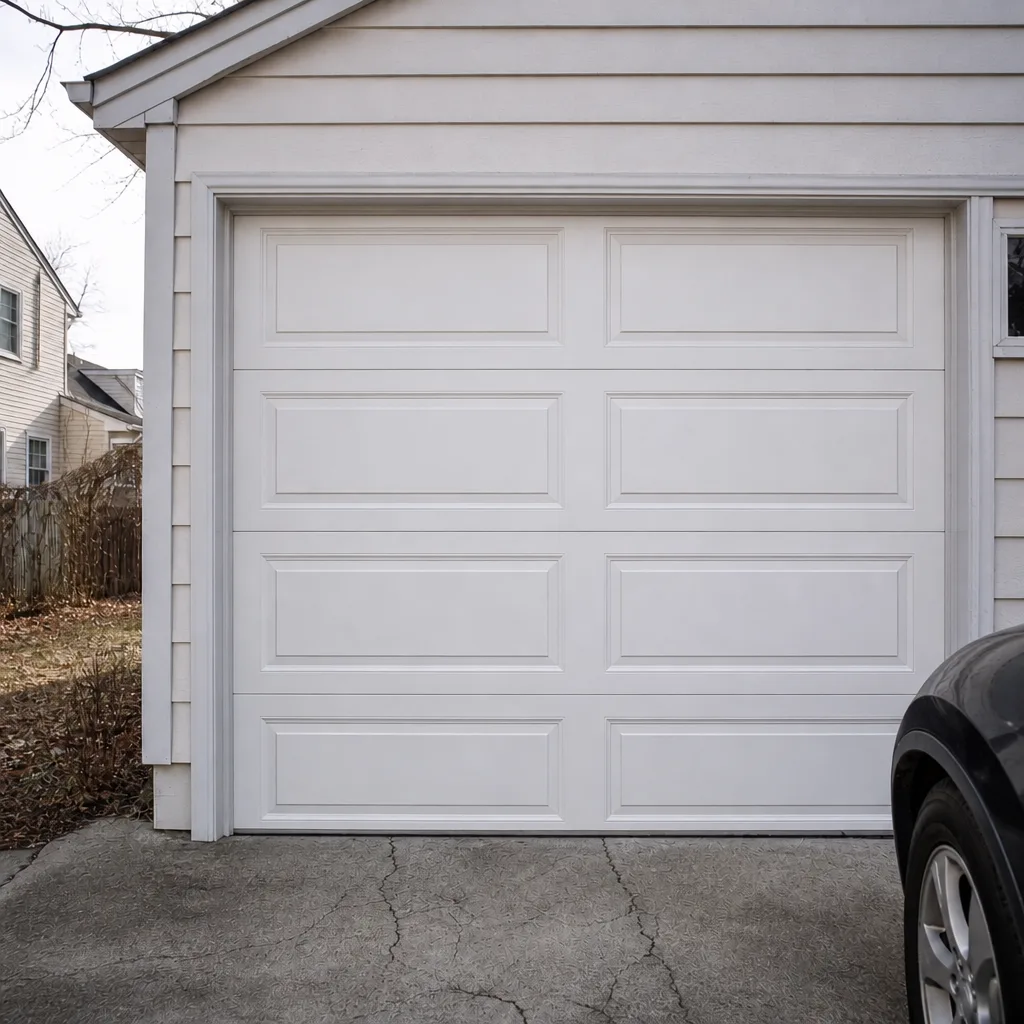
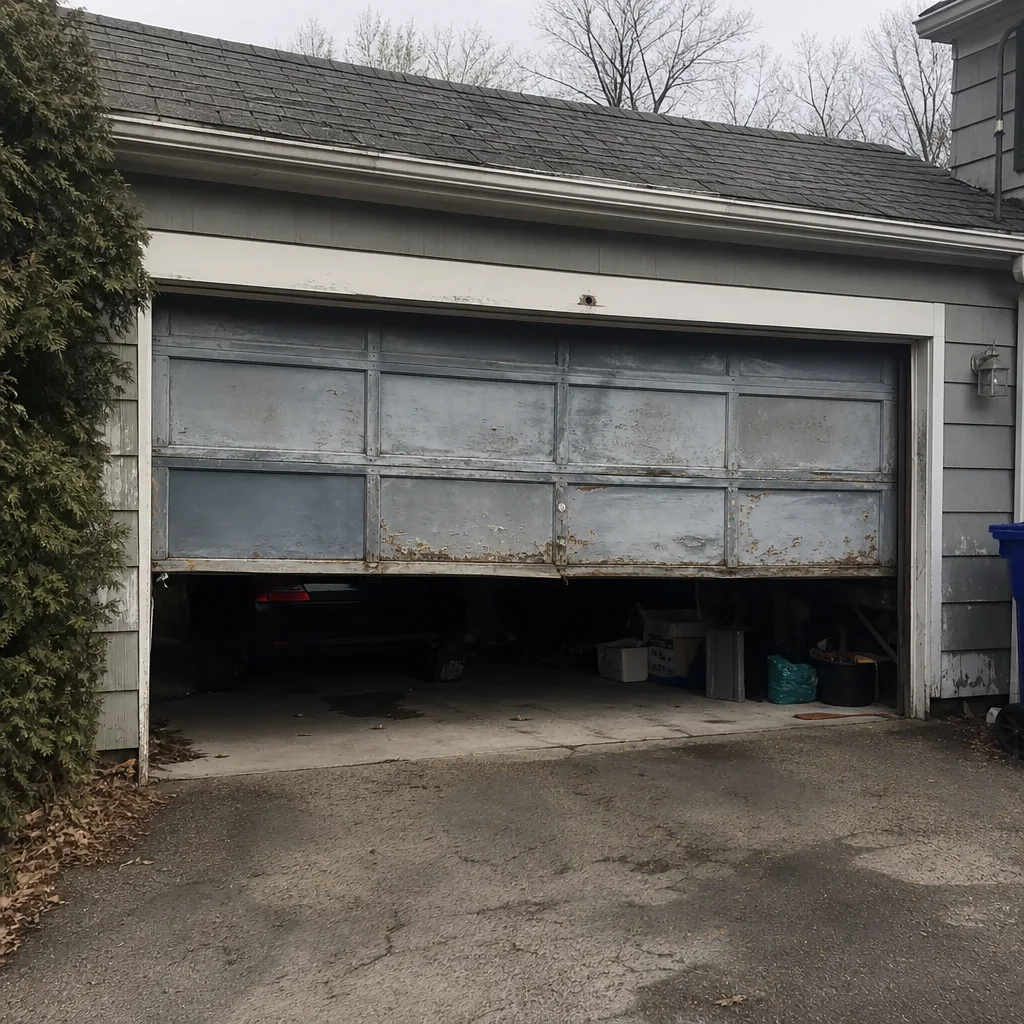
See the difference
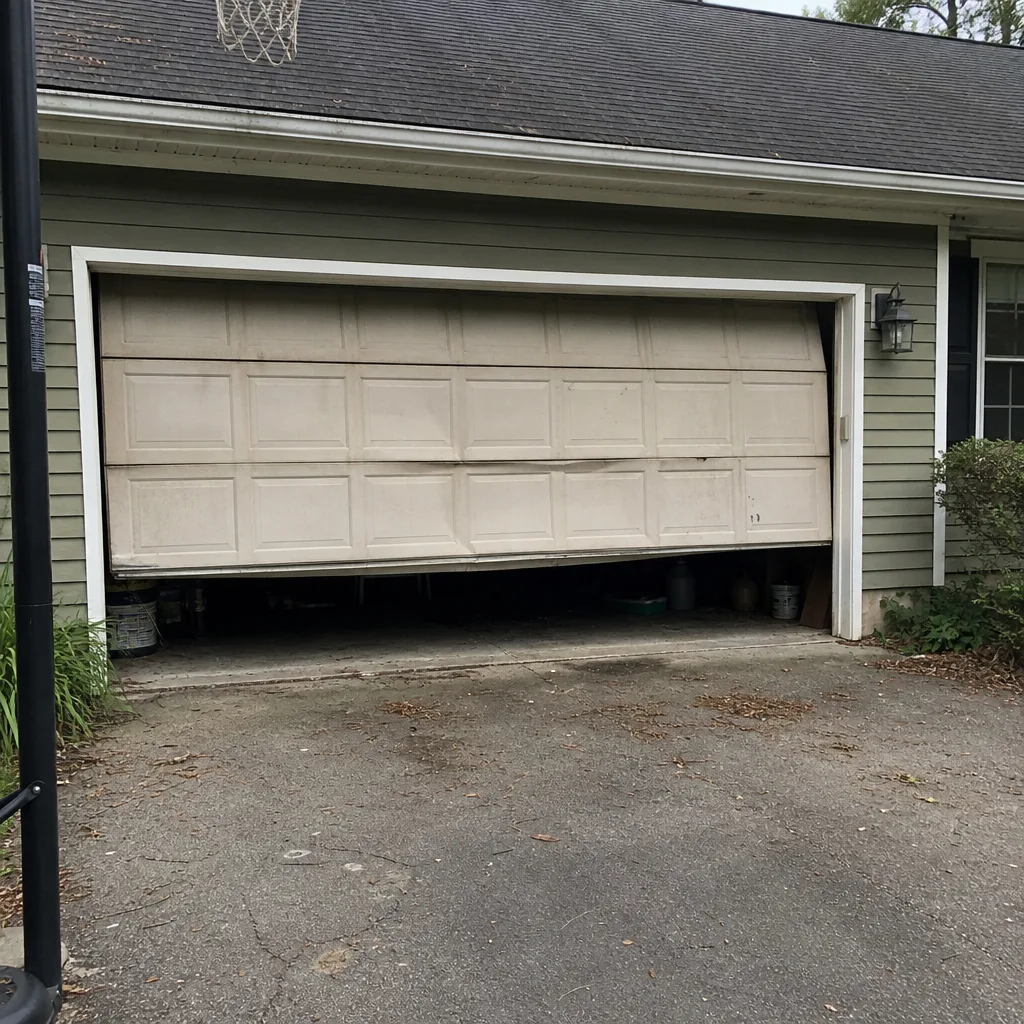 Before
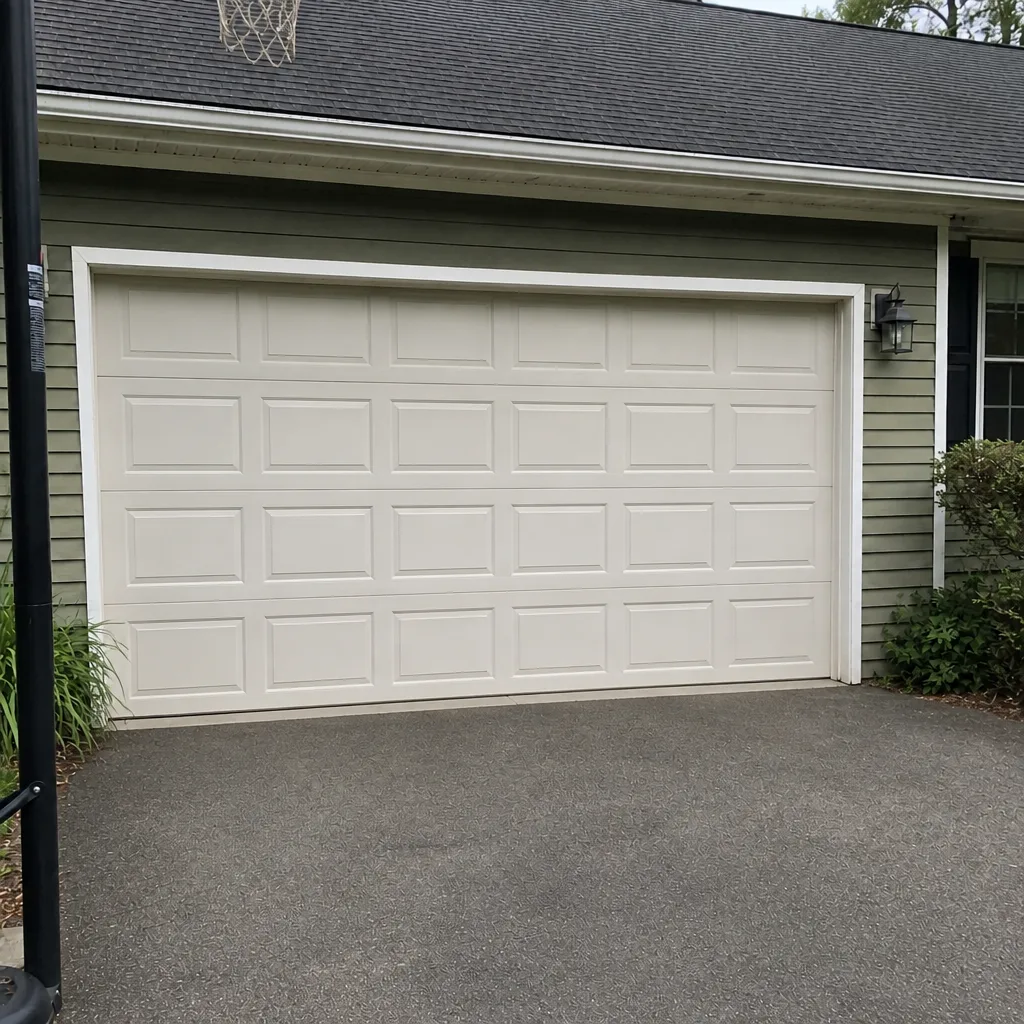 After
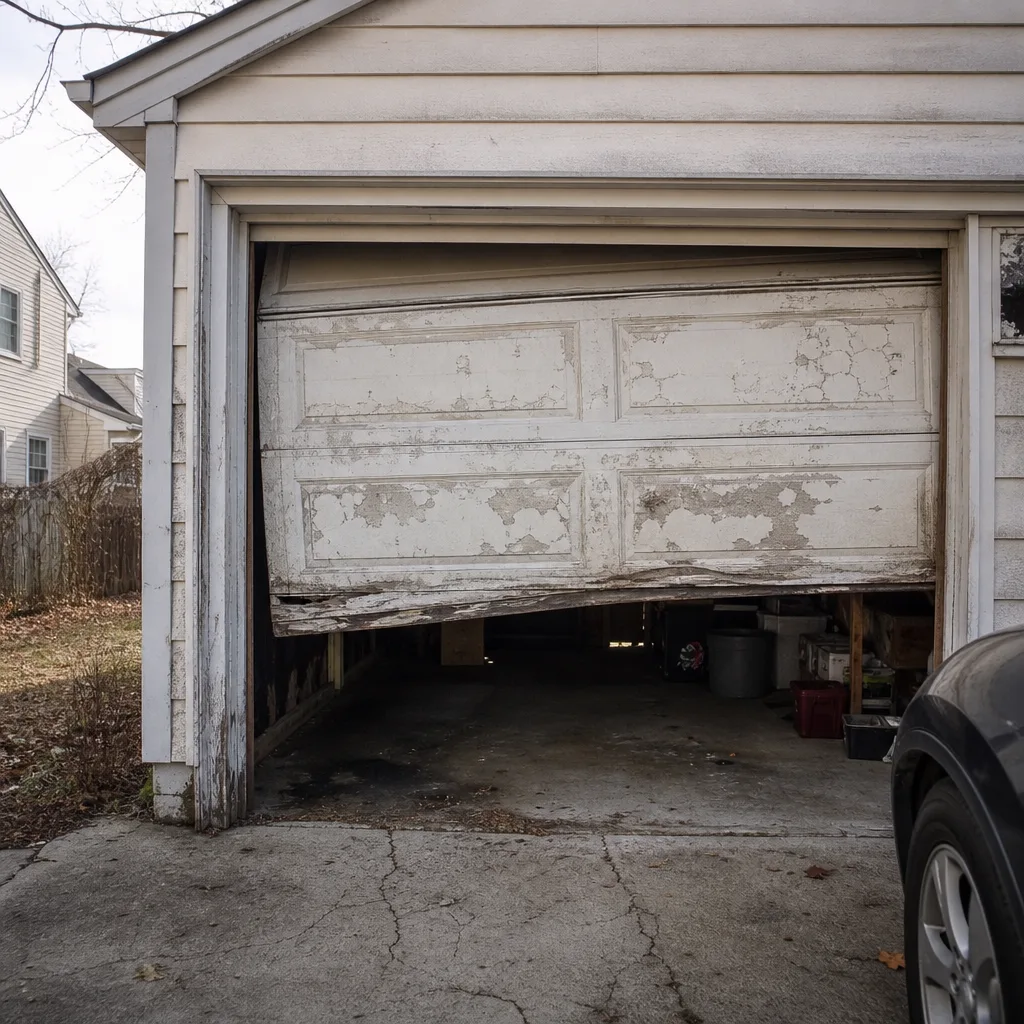 Before
 After
 Before
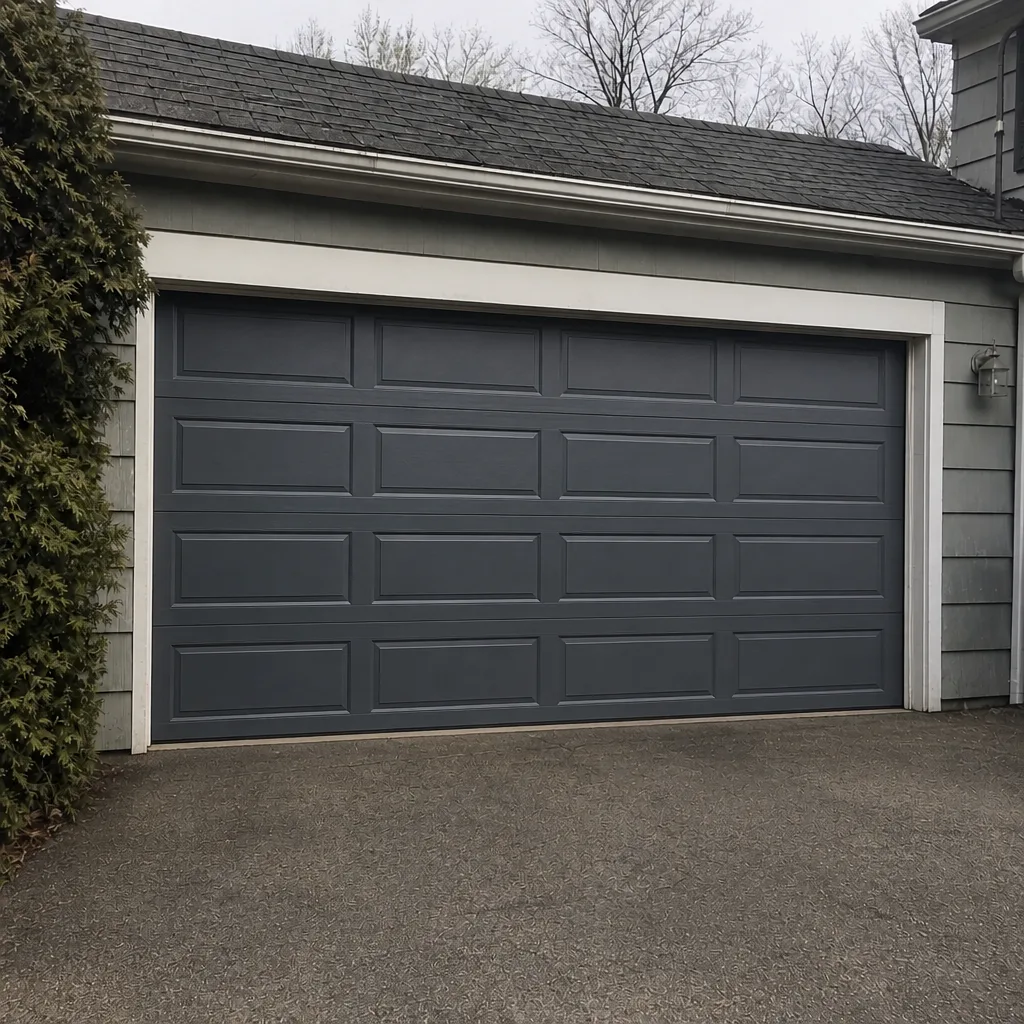 After
When to Call a Professional
Call a professional when you see a gap or light line across a spring, a frayed cable, a door that drifts down when released halfway, or a door that won’t open or close at all. Also call when you hear loud banging, grinding, or popping from the opener or springs. These are signs of a problem that’s already failed or about to. If your door reverses on its own, or the opener flashes without moving the door, the safety system needs a look. And if you’re not sure whether a task is safe to do yourself, that’s a good reason to call. Manchester Garage Door Repair Co offers free estimates in Manchester. Call (888) 315-6660. We answer 24/7. Fast dispatch from 7am to 7pm, Sunday through Friday.
Frequently Asked Questions
A full professional service once a year, plus a homeowner checklist monthly and seasonal. Your monthly tasks are lubrication, balance testing, and visual checks. Seasonal tasks are the fall prep and spring recovery on this guide. The professional visit handles spring inspection, tension adjustment, and any hardware that’s wearing. That combination catches most failures before they happen, even in a climate with cold winters and humid summers.
White lithium grease or lithium complex grease for springs, hinges, and the anchor plate. Silicone-based spray for rollers, stems, and weather seals. Both hold up in cold and don’t attract grit the way oil does. Avoid WD-40 and motor oil. They work short-term and then leave the metal dry, which is the opposite of what you want in February.
Yes, and you should, twice a year. Test the photoelectric eyes by waving a broomstick across their path. Test the mechanical reverse by laying a 2×4 in the door’s path as it closes. The door should reverse on both. If it doesn’t, the eyes are misaligned or the force setting is too high. Call (888) 315-6660 for an exact quote if a test fails; estimates are free.
Look for a gap or light-colored line across the coil. That’s the metal separating before the spring snaps. Also watch for a door that drifts down when you release it halfway, or a loud bang from the garage with no other cause. If you see any of these, don’t touch the spring. Call a technician. Spring work is the one repair we never recommend for homeowners.
Usually not for routine repair and maintenance. New door installation or structural changes sometimes do require a permit. The rule varies, so check with the Manchester building department before you start. For our part, we handle our own permit requirements on installations. If you’re not sure, ask before scheduling.
It depends on the spring’s rated cycle life and how often the door opens. A well-lubricated spring on a door used a few times a day will typically last years. A neglected spring on a door that opens a dozen times a day wears out faster. The single most effective thing you can do to extend spring life is lubricate the coils and the anchor plate every month. It takes about 30 seconds.
The Bottom Line
Most garage door failures in Manchester are predictable. Torsion springs, rollers, hinges, and cables wear on a clock, and the clock is faster in cold weather, humid summers, and a door that gets used a lot. A monthly lubrication routine, a seasonal test of the auto-reverse, and an annual inspection with a trained eye catch nearly all of it before it becomes an emergency. The one task almost everyone skips is the spring anchor plate. Don’t be most people. If something looks off or you’re not sure about a repair, call a technician rather than guess.
When you’re ready for a service visit or a second opinion, call Manchester Garage Door Repair Co at (888) 315-6660 for a free estimate. We answer 24/7. Fast dispatch from 7am to 7pm, Sunday through Friday.
Written by the team at Manchester Garage Door Repair Co.